

The ancient roots of plant milks
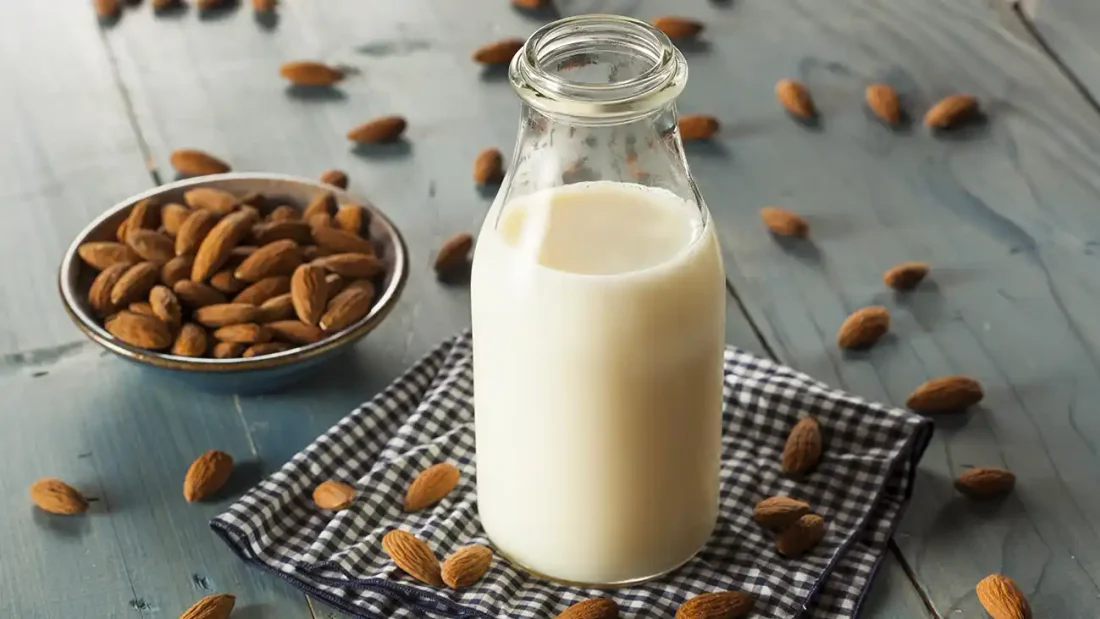
Plant milks are often presented as a modern alternative to dairy. In fact, people have been making milk-like foods and drinks from plants for centuries and some have roots stretching back thousands of years.
Tiger nut – Ancient Egypt
Tiger nuts were eaten and ground into foods in ancient Egypt thousands of years ago. They later became the basis of horchata de chufa, the traditional tiger-nut drink still enjoyed in Spain today.
Coconut milk – Asia and the Pacific
Coconut milk has long been part of the traditional cuisines of South and Southeast Asia and the Pacific, used in curries, sauces, desserts and drinks in its own right.
Soya milk – China
Soya milk has a long history in China, with evidence of soya-based milky preparations stretching back around 2,000 years, although its precise early origins are debated.
Almond milk – Middle East and medieval Britain
Almond milk is recorded in a Baghdad cookbook from 1226 and was well established in Britain by the 14th century.
Almond milk appears again and again in The Forme of Cury, one of England’s earliest surviving cookery collections, compiled around 1390 by the master cooks of King Richard II, showing just how established an ingredient it was in medieval English cuisine.
Almond milk could be stored for long periods and made into fresh milk when required, whereas fresh animal milk spoiled quickly without refrigeration.
Oat milk – Sweden
Modern oat milk is the newcomer. The version that led to today’s commercial oat milks was developed in Sweden in the early 1990s by food scientist Rickard Öste.
So, plant milk isn’t some strange new imitation of dairy. Across different cultures, people have been making, cooking with and enjoying milky foods from plants for hundreds – and in some cases thousands – of years.