
Raw Veganism – what you need to know
is it the healthiest diet or is it risky?
What is raw veganism?
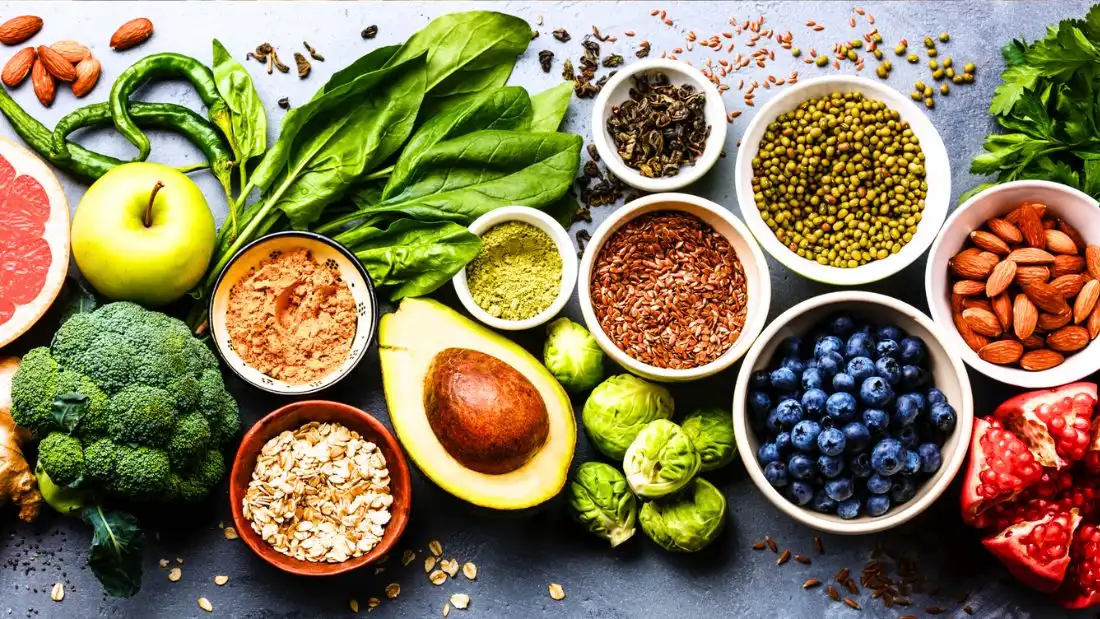
The raw food diet consists of raw foods, such as fresh fruit and vegetables, nuts and seeds, mushrooms and soaked and sprouted grains and pulses. It also includes products made from these foods so long as they have not been heated to over 40°C as higher temperatures destroy some enzymes, vitamins and other nutrients. In addition, a raw vegan diet also offers fermented foods, unsweetened dried fruit, fruit and nut bars or balls, dehydrated products such as flaxseed crackers, seaweeds, cold-pressed oils, raw chocolate, smoothies, cold soups, purées and dips.
What are the benefits?
As a raw vegan you get a lot of antioxidants, vitamins, minerals, healthy carbohydrates, fibre and good fats. If you plan your diet well and consume enough calories and protein, it can help prevent or even support treatment of some health conditions, such as high blood pressure, heart disease, arthritis, type 2 diabetes, some inflammatory lung conditions and obesity.
It can certainly help you lose weight but that should be just a side benefit, not the main reason as you can end up underweight if you take things too far.
All the good carbohydrates and fibre in raw foods help to tune up your digestive system and the lack of sugar, fried and processed foods helps to improve your skin health. Studies show that raw vegans who supplement with vitamin B12 enjoy very good health.
Nutrient availability
It is true that cooking destroys some nutrients, such as vitamin C, yet at the same time it increases the bioavailability of others, such as the antioxidant lycopene, beta-carotene or some minerals such as iron, calcium and zinc. So, a raw vegan diet doesn’t automatically mean more antioxidants and other nutrients. It is richer in some nutrients, while a non-raw vegan diet is richer in others. In both cases, it’s important to find a balance and have a varied diet that supplies all the essential nutrients you need.
Potential risks
You need to eat larger volumes of raw food to meet your energy and nutrient requirements and there’s a risk of simply getting too little of them. Cooked food is more energy-dense so, as a raw vegan, you’ll have to get used to eating greater volumes of food otherwise you may start losing too much weight and it may negatively affect your bone health. However, if you plan your raw diet well, it is safe and can cover your nutritional needs.
We are all different and while one person may thrive on a raw vegan diet, another may have trouble digesting just raw food. As with any dietary change, there’s an adjustment period when your digestion might go through some upheavals but if digestive problems last for more than a month, it’s perhaps best to explore adding some cooked foods back into your diet and see what works for you.
Another potential risk to consider is that a raw food diet may increase your chances of tooth decay because you consume large amounts of natural acids and sugars in fruit. But there’s an easy fix – simply rinse your mouth with water after you’ve eaten or drank a smoothie to keep your mouth clean-ish.
Not for everyone
There are people who try this diet and decide it doesn’t work for them but then there are people who shouldn’t even attempt it. This includes people with increased energy needs, such as children, pregnant women or athletes. Raw plant foods contain a lot of fibre and you may feel full before you’ve eaten enough calories and for the same reason, a raw food diet would be unsuitable for anyone with an eating disorder.
In people with inflammatory bowel diseases, such as IBS, Crohn’s or ulcerative colitis, a raw vegan diet may worsen their symptoms but it’s highly individual.
Want to try?
If you’re thinking about trying raw vegan diet, the best approach is to go slowly and give your body time to adapt. Increase the amount of raw foods gradually and pay attention to what works for you. Some food combinations might make your tummy uncomfortable and bloated – take a note and next time don’t combine those foods.
Another important thing is to eat enough, which may be a challenge. Bear in mind that aside from fruits and veggies, you need good portions of protein- and fat-rich nuts and seeds, and – if possible – sprouted grains. Blending foods to make smoothies, soups and dips is a great way to increase your nutrient intake as it shrinks the volume and helps your body digest the food.
In the beginning, it may be useful to try a nutrition tracking app so you know that you’re eating enough or if you need to up your intake.
As a raw foodist, you also need to take a vitamin B12 supplement all year round and vitamin D in winter – this is not a purely raw food issue as all of us should be taking these. Some people on a raw food diet reject supplements but studies show that it’s very dangerous to do so and can cause a range of serious health issues.
What to avoid
Sprouting is an excellent way to consume pulses but be careful – only ever sprout lentils and mung beans. Larger beans, such as kidney or butter beans can be toxic because sprouting never gets rid of all their lectins – compounds that can make you very unwell.
Also, avoid eating raw potatoes, aubergines, green beans or soya (edamame) beans – we simply cannot digest these raw and they may even cause mild poisoning.
It may seem complicated but isn’t – if you fancy going raw, try it, experiment and see how it works for you!
Summary — Quick overview
SUMMARY
Raw veganism centres on uncooked plant foods including fruit, vegetables, nuts, seeds, mushrooms, soaked and sprouted grains and pulses, alongside fermented foods, dehydrated products, smoothies, cold soups and dips. It can provide plenty of antioxidants, vitamins, minerals, fibre, healthy carbohydrates and good fats, and may help with conditions such as high blood pressure, heart disease, type 2 diabetes and obesity when well planned.
Claims that raw veganism is automatically the healthiest diet are too simplistic. Cooking reduces some nutrients, such as vitamin C, but can increase the bioavailability of others including lycopene, beta-carotene, iron, calcium and zinc. A raw vegan diet can be safe, but only if it is varied, provides enough calories and protein, and includes vitamin B12 supplementation, with vitamin D in winter.
Raw veganism is not suitable for everyone. Children, pregnant women, athletes, people with eating disorders, and some people with IBS, Crohn’s or ulcerative colitis may struggle or be put at risk. Anyone trying it should increase raw foods gradually, watch digestion carefully, eat enough nuts, seeds and sprouted grains, and avoid unsafe raw foods such as potatoes, aubergines, green beans, soya beans and sprouted large beans.
KEY FACTS
- Raw vegan diets exclude foods heated above 40°C and rely on uncooked plant foods, including soaked and sprouted grains and pulses.
- A well-planned raw vegan diet can supply many nutrients and may support health, but weight loss should not be the main goal because underweight and poor bone health can result from eating too little.
- Cooking destroys some nutrients but improves the availability of others, so raw food is not automatically more nutritious overall.
- Raw vegans need to eat larger volumes of food because cooked food is generally more energy-dense.
- Vitamin B12 supplementation is essential all year round for raw vegans, and vitamin D is needed in winter.
- A raw vegan diet may increase the risk of tooth decay because of frequent exposure to natural acids and sugars from fruit.
- Raw potatoes, aubergines, green beans, soya beans, and sprouted large beans such as kidney or butter beans should be avoided because they can be indigestible or toxic.
FAQ
Is raw veganism the healthiest diet?
Not necessarily. Raw veganism can be rich in fibre, antioxidants, vitamins and healthy fats, but cooking can make some nutrients easier to absorb. The healthiest approach is a balanced, varied diet that meets all nutritional needs.
Who should avoid trying a raw vegan diet?
It is not suitable for everyone. Children, pregnant women and athletes have increased energy needs, while people with eating disorders may struggle to eat enough. Some people with IBS, Crohn’s or ulcerative colitis may find their symptoms worsen.
What matters most if someone wants to try raw veganism?
Go slowly, increase raw foods gradually and pay attention to digestion. Eat enough calories, including nuts, seeds and sprouted grains where possible, and take vitamin B12 supplements all year round. It is also important to avoid unsafe raw foods and toxic sprouted large beans.

About the author
Veronika Prošek Charvátová
Veronika Prošek Charvátová MSc is a biologist and Viva! Health researcher. Veronika has spent years uncovering the links between nutrition and good health and is an expert on plant-based diets.