The real offence isn’t vegan bacon – it’s killing animals for food

In the Daily Mail this week, Tom Parker Bowles describes how he has eaten everything from ‘maggot cheese’ to ‘rotten shark’, yet finds vegan bacon, sausages and burgers the most depressing of all. It seems the real offence here isn’t taste, but the idea that we might thrive without killing animals.
In mocking plant-based meat alternatives, Parker Bowles misses the fundamental point of why they exist. They’re not a vanity project for ‘virtue signallers’, but a response to an industry built on systemic animal suffering and environmental collapse.
Each year, billions of sentient beings are bred, confined and killed – not because we need their bodies for food, but because habit and profit dictate it. At the same time, animal agriculture is responsible for one-fifth of greenhouse gas emissions and uses three-quarters of the world’s farmland but supplies only a fraction of the world’s calories. The ethical drive behind vegan innovation isn’t perfection; it’s progress.
Are some vegan convenience foods ultra-processed? Certainly – just as sausages, ready meals and bacon from animals are. But not all vegan meat alternatives are equal; studies show that some are notably healthier than their meaty equivalents. Furthermore, many of today’s best vegan chefs – including those Parker Bowles praises – are proving that plant-based food can be both exquisite and ethical.
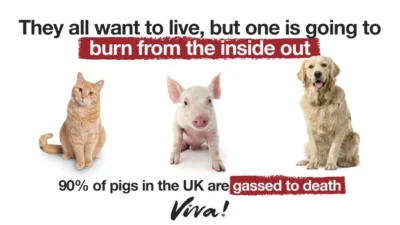
What’s truly ‘unnatural’ isn’t a sausage made from pea or soya protein. It’s breeding pigs who never feel sunlight on their backs, mutilating them without anaesthetic and turning sentient life into packaged products. The notion of ‘humane slaughter’ and ‘happy meat’ is a moral sleight of hand that exists to dupe consumers and sustain the meat industry.
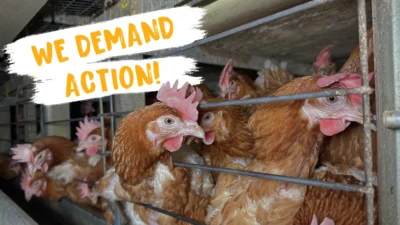
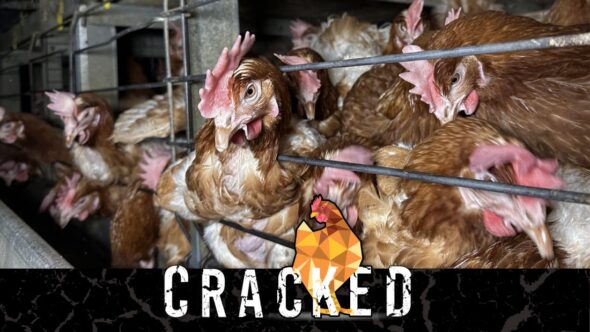
Parker Bowles talks about harmony with nature; this makes me wonder, has he ever set foot in a factory farm? Perhaps he should look at some of Viva!’s exposés. He argues that regenerative, sustainable farming is the way forward, but this cannot mean selectively reducing suffering for some animals while accepting it for others. It must mean ending suffering wherever we can.
Eating plants feeds more people using fewer resources, spares animals from cruelty and exploitation and eases the strain on the planet’s climate and land. Whether you prefer wholefoods or vegan meat substitutes, the moral direction is the same: away from using animals as commodities and towards empathy. That’s food for the future – and for reflection.

About the author
Dr. Justine Butler
Justine joined Viva! in 2005 after graduating from Bristol University with a PhD in molecular biology. After working as a campaigner, then researcher and writer, she is now Viva!’s head of research and her work focuses on animals, the environment and health. Justine’s scientific training helps her research and write both in-depth scientific reports, such as White Lies and the Meat Report, as well as easy-to-read factsheets and myth-busting articles for consumer magazines and updates on the latest research. Justine also recently wrote the Vegan for the Planet guide for Viva!’s Vegan Now campaign.
View author page | View staff profile