
Daily Mail’s ‘veganism is dead’ doesn’t hold up

If you wanted a brief for a hatchet job on veganism, you’d struggle to improve on what the Daily Mail’s Fred Kelly has produced this week. “It’s dangerously unhealthy, overpriced – and often ultra-processed… why the fad for veganism is dead already” reads less like journalism and more like an anti-vegan bingo card.
And almost every single claim in it falls apart when looking at the evidence.
Kelly leans heavily on individual stories, such as one young vegan whose health problems resolved when she reintroduced animal products and the tragic case of a vegan who died by suicide after developing delusional beliefs linked to a B12 deficiency. He writes that “such shocking stories have made plain the real dangers an exclusively plant-based diet can pose”.
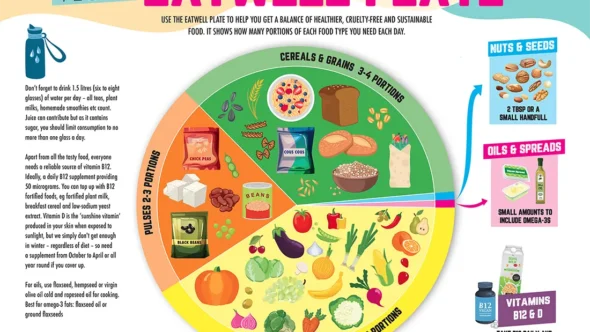
However, the wealth of evidence shows that a balanced vegan diet, along with a reliable source of vitamin B12, can support all your nutritional needs and lower the risk of chronic disease. B12 deficiency isn’t a uniquely vegan problem, either – it’s far more common in the general population than this framing suggests. According to the NHS, around one in 20 people aged 65 to 74 are deficient, rising to one in 10 among those 75 and over, regardless of diet.
A quote in the article suggests “there are so few plants that you can get calcium from”. This is simply wrong. Good sources of plant-based calcium include green leafy vegetables such as kale, bok choy and spring greens; fortified plant milks, yoghurts and breakfast cereals; calcium-set tofu; tempeh; edamame; chickpeas, white beans, lentils and black beans; sesame seeds and tahini; chia seeds; almonds; poppy seeds; dried figs and apricots; and seaweed such as wakame. That’s not a short list.
Then there’s the idea that a handful of celebrities and restaurants moving away from plant-based eating proves the “fad” is over. The numbers tell a different story. There are now roughly 1.7 million vegans in the UK – a vast jump from the tens of thousands recorded in the 1980s – and data from Finder, Statista and YouGov collectively suggest around one in four UK adults now eats little or no meat, clearly indicating a steady shift toward plant‑based eating.
Kelly cites a few high-profile restaurant closures and falling premium-brand sales as proof the “vegan bubble has burst”. But a 2025 study in Nutrition Reviews found supermarket own-brand plant-based meat sales rising – up 14 per cent in value and six per cent in volume year-on-year. Tesco reported chilled plant-based food volumes up nearly one per cent across UK supermarkets in 2025 (1.7 per cent in the second half of the year), with vegan mince up 25 per cent, tofu, tempeh and seitan up 12 per cent, and snacks such as falafel up over five per cent. Good Food Institute research shows the same pattern: premium branded products may be struggling, but budget own-brand options and wholefoods such as tofu and falafel are growing as shoppers look for cheaper, healthier choices. This shows how the market is stabilising and adapting – far from collapsing, it is becoming more diverse and accessible. See more on that here.
The article then reaches for the “ultra-processed” label to tarnish vegan food. What it leaves out is that over half of the entire UK diet is made up of ultra-processed foods – more than any other country in Europe – and that the foods doing the most damage are the ones we already eat by the bucketload: sausages, hot dogs, chicken nuggets, burgers, bacon and sliced meats. Among UPFs, plant-based meat alternatives are something of an outlier: better than the animal products they replace, often with more nutrients, fewer calories and more beneficial plant compounds, alongside a lower cancer risk and fewer food-safety concerns around food poisoning, antibiotic resistance and industrial pollutants. Swapping some meat for plant-based alternatives can also lower LDL cholesterol, a change with real potential to save lives and healthcare costs.
Kelly then scrapes the bottom of the anti-vegan barrel, suggesting veganism is linked to eating disorders. The Royal College of Psychiatrists, the British Dietetic Association and the eating disorder charity BEAT have addressed this directly in a joint consensus statement: while some people with eating disorders do follow a vegetarian or vegan diet, neither should be treated as a causal factor. As they put it: “Adoption of a vegan diet coinciding with the development of anorexia nervosa could be part of the disorder, rather than a reflection of the individual’s vegan beliefs.” That means, in some cases, veganism may be used as a way to restrict food intake, rather than being motivated by ethical concerns. A 2012 study, Will the real vegetarian please stand up?, backs this up: it found that people following a (flexitarian-like) meat-restricted diet showed the most disordered-eating symptoms, while true vegans and vegetarians had the healthiest attitudes to food of anyone studied.
As for food influencer Ben Rebuck’s complaint that vegans are “very good at making you feel guilty”. That might be your cognitive dissonance talking, Ben, not us…
Kelly’s environmental argument doesn’t fare any better. He cites an out-of-context line from a 2018 study by Oxford researcher Joseph Poore to suggest chicken might be greener than air-freighted fruit and veg. Ironically, here he’s actually quoting from the same study that concluded that avoiding animal foods is one of the most effective ways to reduce environmental impact. Poore said a vegan diet is “probably the single biggest way to reduce your impact on the planet“. It’s incredible that in 2026, Kelly is still running the “almonds are thirsty” line on plant milk. For context: cow’s milk uses two to twenty times as much fresh water as any plant-based milk, alongside more land use, more water pollution and higher greenhouse gas emissions than any plant-based alternatives. This is also from Poore’s 2018 study, which Kelly clearly didn’t read. See more here.
This isn’t a serious weighing of the evidence but a familiar pattern: cherry-picked anecdotes, recycled talking points and selective framing dressed up as ‘debate’. Look at the full body of research, and the picture is clear. A balanced plant-based diet can be nutritionally complete and is linked to lower risks of chronic disease and is increasingly backed by mainstream health bodies – alongside a steady, ongoing shift in how people actually eat.
No amount of editorial heat can outweigh the weight of evidence or the broader direction of travel.

About the author
Dr. Justine Butler
Justine joined Viva! in 2005 after graduating from Bristol University with a PhD in molecular biology. After working as a campaigner, then researcher and writer, she is now Viva!’s head of research and her work focuses on animals, the environment and health. Justine’s scientific training helps her research and write both in-depth scientific reports, such as White Lies and the Meat Report, as well as easy-to-read factsheets and myth-busting articles for consumer magazines and updates on the latest research. Justine also recently wrote the Vegan for the Planet guide for Viva!’s Vegan Now campaign.
View author page | View staff profile