Prostate cancer

Prostate cancer is scary but there’s plenty you can do to reduce your risk.
Prostate cancer is an abnormal growth of cells that starts in the prostate – a small gland that helps make semen and is found just below the bladder.
Prostate cancer is the second most common cancer (behind breast cancer) in the UK and around 150 men are diagnosed every day. The good news is that eight out of 10 men survive the disease, although the number is somewhat less encouraging in men over 75.
Like breast cancer, most prostate cancer cases are also hormone-sensitive, which means their growth is stimulated by sex hormones.
One in six men in the UK will develop prostate cancer during their lifetime and diet and lifestyle may play a significant role. Of course, genetics may increase your overall risk – in some cases up to 60 per cent – but even if you have the high-risk genes, it doesn’t mean you will develop prostate cancer. Sometimes, it’s not just about the genes that run in the family – lifestyle and environmental factors are often passed down as well.
Research shows that men at high genetic risk of prostate cancer may slash their risk of lethal prostate cancer by almost a half by maintaining a healthy weight, regular exercise, not smoking and a healthy diet.
Diet plays a big role in your prostate cancer risk and avoiding certain foods can significantly reduce it. Cutting these foods out of your diet may significantly lower your risk.
Fortunately, many plant-based foods can not only slash your risk of prostate cancer but they also boost your overall health. See how these foods reduce your risk and why they should be a part of your daily diet.
Numerous scientific studies report that Western diets rich in red and processed meat, high-fat dairy products, eggs, sugar and refined carbohydrates (white flour) increase your risk of prostate cancer, while diets based on wholegrains, pulses, fruit and vegetables lower the risk. A balanced vegan diet may reduce your prostate cancer risk by 35 per cent!
And not only can a vegan diet reduce your risk of prostate cancer, it can also positively affect the outcome if you already have the disease – see below.
A healthy vegan diet results in lower levels of IGF-1 in your blood, which is a good thing because higher levels pose a cancer risk. At the same time, vegan diets provide plenty of antioxidants, which help reduce inflammation in the body – and in the prostate as well, keeping it healthy.
As dairy, processed and red meat, and saturated and trans fat all increase your risk of prostate cancer, being vegan automatically removes or reduces your consumption of these and helps protect your health. If you centre your diet around wholesome plant-based foods, you’ll slash your risk of prostate cancer as well as a range of other diseases, such as heart disease and bowel cancer.
A balanced vegan diet can significantly reduce your prostate cancer risk but how to put together the ideal menu? Here are five guidelines for a healthy prostate:
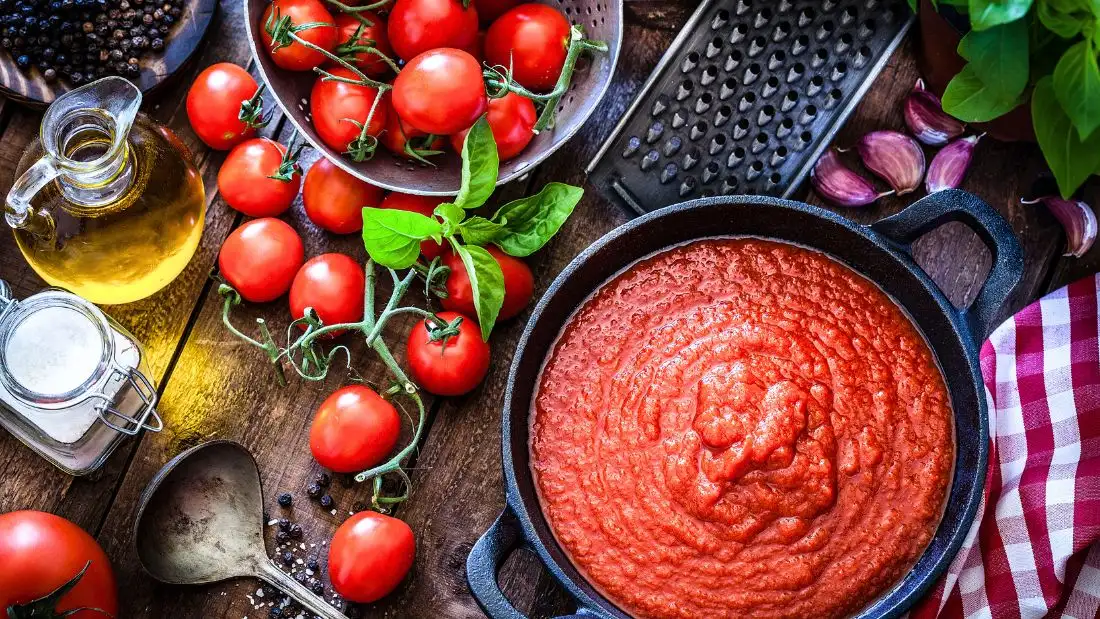
- A tomato a day keeps the doctor away – have some tomatoes or tomato product daily as the red pigment in them, lycopene, slashes your risk of prostate cancer. But that’s not all – tomatoes go great with cancer-defying cruciferous veggies so add some rocket, kale or broccoli to your meal as well.
- Eat your wholegrains – swap white bread, pasta and rice for wholemeal bread, oats, whole wheat pasta, brown rice or quinoa.
- Have at least one serving of soya daily – soya milk on cereal or in tea/coffee, tofu, edamame, soya yoghurt, soya burgers or tofu sausages.
- Snack on nuts and seeds – a couple of Brazil nuts and a small handful of pumpkin seeds, peanuts or cashews supply plenty of zinc and selenium.
- Coffee and green tea are your allies – quality green tea or matcha are excellent choices and so is coffee. Just try to drink it between meals as coffee can reduce your iron absorption if you drink it with a meal.
See what a balanced vegan meal plan looks like.

Receiving a prostate cancer diagnosis is certainly difficult but thanks to modern screening methods, most cases are caught early and there’s a lot of hope for positive outcomes. A wholesome plant-based diet can slow down and, in some cases, even reverse prostate cancer.
The Prostate Cancer Lifestyle Trial run by American physician and Clinical Professor of Medicine at the University of California, San Francisco, Dr Dean Ornish, showed just how powerful a healthy plant-based diet can be. The trial included 93 men with low-risk prostate cancer (early-stage, slow-growing tumours) who were being monitored but didn’t need an operation at the start of the study. Half of them were assigned to the experimental group and the other half to the control group that didn’t change anything. The experimental group followed a specific lifestyle for a year – a wholesome low-fat vegan diet that included soya on a daily basis, omega-3 oil, vitamin E, selenium, vitamin C, a multivitamin and tomato-based vegetable juice, regular aerobic exercise, daily stress management and a weekly support group.
By the end of the study, no patients in the experimental group needed prostate cancer treatment, while six patients in the control group required conventional treatment because their disease had progressed. Men in the experimental group also experienced a significant improvement in PSA levels (prostate cancer markers in the blood) and these were associated with the extent of plant-based dietary change – the more plant-based their diet was, the lower their PSA levels.
When the groups were assessed again two years after the start of the experiment, 13 of the control group patients needed treatment, while only two from the vegan group did and they still had lower PSA levels than the others.
There was also another small study in which 14 men with recurring prostate cancer adopted a plant-based diet and practised stress management techniques for six months. Ten of them finished the study and their results were very positive – in four of them, PSA levels dropped, showing disease regression and in five others, disease progression significantly slowed.
A newer, large-scale study of over 2,000 men with prostate cancer found similar results – those with the most plant-based diets had a 47 to 55 per cent lower risk of disease progression than men who ate the least plant-based foods. And other studies agree – a healthy plant-based diet can slow disease progression and result in better outcomes than Western diets.
If you’re diagnosed with prostate cancer, a balanced vegan diet may help improve your outcome but it’s not a cure so we encourage you to discuss treatment options with your doctor and attend all your appointments.
Diet is vital if you want to reduce your risk of prostate cancer risk but there are other important factors as well. Those that you can’t change include age, ethnicity, family history and genetics. Luckily, there are other factors that you can change and these include diet, obesity, smoking, sedentary lifestyle, exposure to dangerous chemicals (such as pesticides or arsenic) and possibly also some sexually transmitted infections causing prostate inflammation.
If you live a moderately active life, eat a healthy vegan diet, don’t smoke, avoid exposure to chemicals (including using pesticides in your garden) and take precautions with your intimate partners, your prostate risk will be much reduced.