Weight-loss injections – what to eat for lasting results
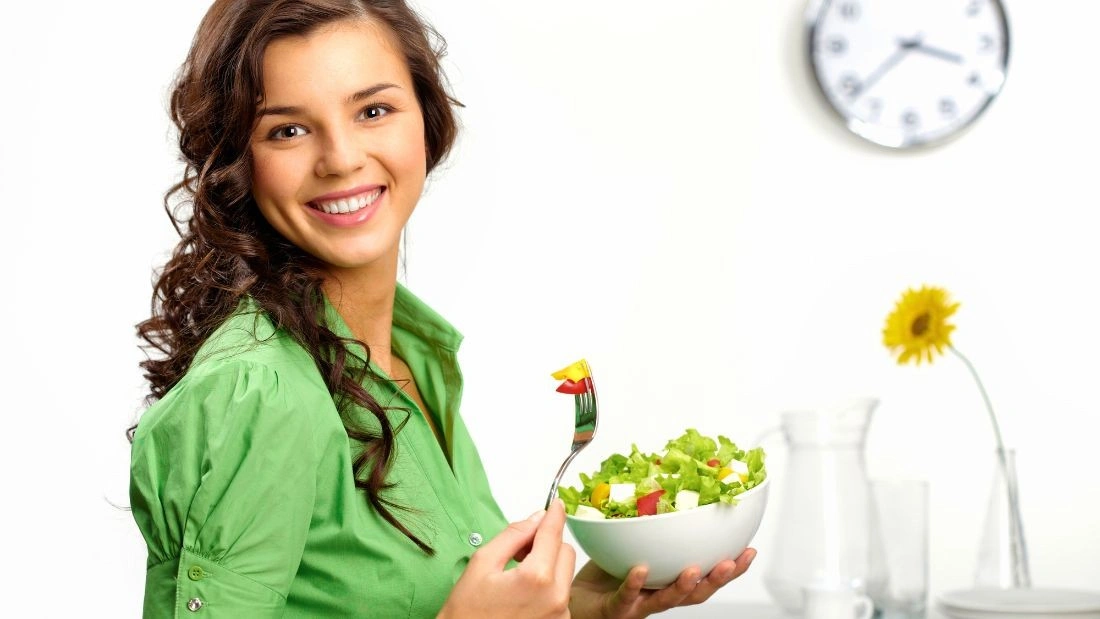
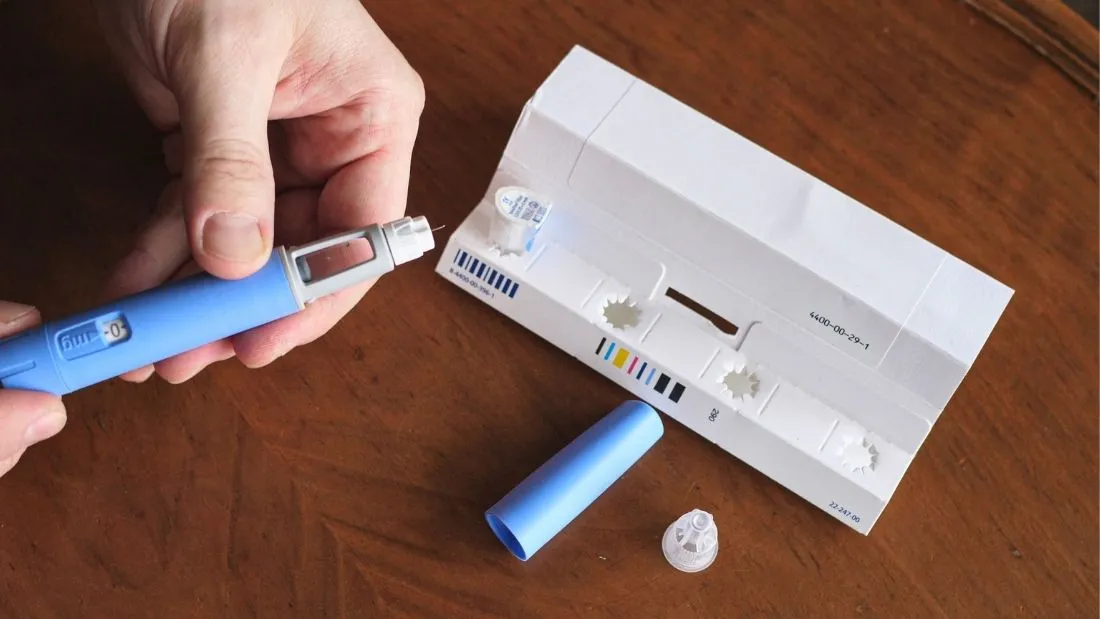
There is strong evidence that a healthy vegan diet and regular physical activity can help people lose weight and maintain it long-term. Yet over the past year, GLP-1 receptor agonist drugs – widely known by brand names such as Wegovy and Mounjaro – have surged in popularity as a rapid weight-loss fix.
While these medications can suppress appetite and deliver fast initial results, experts are still investigating their long-term effects, including what happens when people stop taking them. Current evidence suggests that weight often returns quickly after discontinuation, alongside a loss of improvements in blood sugar control and cardiovascular risk. It is also too early to know what the widespread, long-term use of these drugs will mean for population health.
How many people are taking GLP-1s?
By mid-2025, up to 2.5 million adults in the UK were estimated to be using GLP-1 drugs, with particularly high interest among younger adults. This rapid uptake creates an urgent need for clear, practical guidance on how to eat well when appetite is dramatically reduced – because poor food choices can worsen side effects and increase the risk of nutrient deficiencies and muscle loss.
A balanced wholefood vegan diet is especially well-suited to people using GLP-1 medications. It supports steady, sustainable weight loss, promotes gut health and helps reduce cardiometabolic risk, while still providing abundant fibre, high-quality plant protein, healthy fats, and essential vitamins and minerals.
Concern about nutrition gaps is well-founded. A 2025 survey of more than 2,000 consumers by online supermarket Ocado found that only around four in ten people said they understood how these drugs work – and a similar proportion were aware that rapid weight loss often includes loss of muscle as well as fat. That makes dietary quality and protein-rich, fibre-dense wholefoods not optional, but central to protecting health while using GLP-1 medications.
Building sustainable habits for lasting results
While GLP-1 medications offer rapid weight loss, the real challenge lies in maintaining results once treatment ends.
As stated, research shows weight returns quickly when medication stops, potentially reversing improvements in blood sugar and cardiovascular health. The key to long-term success isn’t just taking the medication – it’s transforming your relationship with food during treatment so healthy eating becomes second nature.
A wholefood vegan diet provides the perfect framework for building these lasting habits. By focusing on naturally satisfying, nutrient-dense meals while your appetite is reduced, you’re not just supporting the medication’s effects – you’re developing habits that will sustain your weight loss for life.
Vegan Recipe Club offers hundreds of free, delicious recipes specifically designed around wholefood ingredients that are high in fibre and protein, easy to prepare and perfect for people eating smaller portions. From quick lunches to batch-cooking dinners, these recipes help you build a sustainable, enjoyable approach to plant-based eating that supports both your immediate weight loss goals and your long-term health.
How does it work?
Your gut naturally releases GLP‑1 and other hormones after you eat, which tell your brain: “I’m full – stop eating now.”
GLP‑1 (glucagon‑like peptide‑1) drugs mimic the natural gut hormone and work in several ways: they signal the brain to reduce appetite, slow stomach emptying so you feel full for longer, and stimulate the pancreas to release more insulin when blood sugar is high, which helps lower it.
They also reduce the liver’s production of glucose and improve how the body uses fat for energy. These effects reduce food intake and support weight loss.
Why fibre is important
A high‑fibre diet is especially important for people taking GLP‑1 medications because it helps manage common side effects, supports gut health and can enhance the drug’s appetite‑ and blood‑sugar-lowering effects.
- Prevents constipation
GLP‑1 drugs slow stomach emptying and gut motility, which can cause constipation. Adequate fibre (especially insoluble fibre from wholegrains, vegetables and nuts) adds bulk to your stools and promotes regular bowel movements, counteracting this slowing effect. The NHS recommends around 30 grams of fibre a day for adults, but many people on GLP‑1s start well below this; gradually increasing fibre and drinking plenty of fluids (six to eight glasses of water daily) can help avoid bloating and worsening constipation.
- Stabilises blood sugar
Soluble fibre, found in many plant foods but not in meat and dairy, slows carbohydrate absorption, leading to a more gradual rise in blood sugar after meals. This complements the blood sugar‑lowering action of GLP‑1 drugs, helping to keep blood sugar steadier and reduce spikes and crashes.
- Increases fullness and supports weight management
Fibre, especially viscous soluble fibre, absorbs water and forms a gel in the gut, making you feel fuller for longer. This works well with GLP‑1 drugs, which already reduce hunger and increase satiety – helping you feel satisfied with smaller meals.
Because GLP‑1s often cause a large drop in calorie intake (by 16 to 39 per cent in trials), high‑fibre, nutrient‑dense foods (eg vegetables, pulses, wholegrains and fruits) help ensure that your reduced-calorie meals still provide enough bulk, vitamins and minerals.
- Feeds a healthy gut microbiome
Dietary fibre acts as a prebiotic – feeding beneficial gut bacteria that produce short‑chain fatty acids with anti‑inflammatory and metabolic benefits. A healthy gut microbiome is linked to better metabolic health, weight regulation as well as gut and mental wellbeing. It may also help support the long‑term benefits of GLP‑1 therapy, although direct evidence is still emerging.
Why plant foods work well with GLP‑1
Because GLP‑1 drugs slow stomach emptying and reduce appetite, plant‑based meals that are naturally high in fibre can help you feel comfortably full on smaller portions, which can support weight loss while still meeting your nutrient needs, provided each meal also includes adequate protein.
Why protein is important
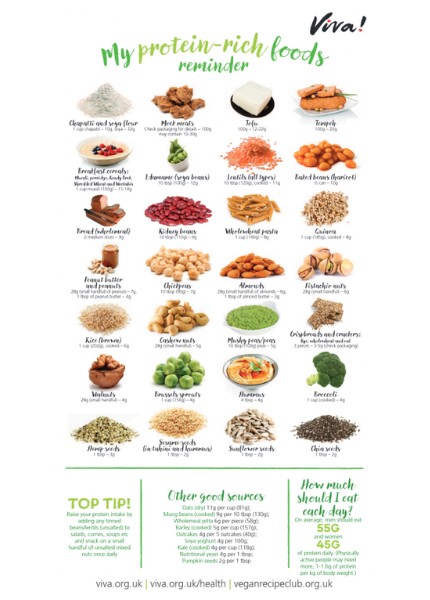
While high‑fibre plant foods are excellent for volume and fullness, it is important to include a good source of protein at each meal (eg tofu, tempeh, beans, lentils, fortified plant milks and yoghurts) to help preserve muscle mass and meet overall nutrient needs, especially when eating much less overall.
Hormonal response and feeling fuller for longer
Plant‑based, high‑fibre meals boost the body’s own GLP‑1 and satiety hormones, helping people feel more satisfied after eating, even when calories match a meat‑ and cheese‑heavy meal. In one study, healthy, obese and diabetic men all reported feeling more satisfied after a vegan tofu meal than after a meat‑and‑cheese meal with the same calories; the vegan meal produced a larger rise in GLP‑1, likely due in part to its high fibre content.
For people on GLP‑1 drugs, high‑fibre plant meals can further increase feelings of fullness, helping them feel satisfied on smaller portions, which supports weight management. A healthy vegan diet also naturally limits very high‑fat, very high‑sugar and ultra‑processed foods that can make nausea and bloating worse on these drugs.
Top 10 practical tips
- Emphasise minimally processed foods: fruit, vegetables, pulses, wholegrains and small amounts of nuts and seeds for healthy fats.
- Include at least five portions of fruit and vegetables every day, plus wholegrains and pulses at most meals.
- Include a mix of soluble fibre (oats, beans, lentils, apples, berries, citrus fruit, broccoli, carrots, sweet potato, peas, flax and chia seeds, etc) and insoluble fibre (wholemeal bread, brown rice, wholewheat pasta, almonds, walnuts, chia seeds, peas, beans, lentils, chickpeas, cauliflower, broccoli, green beans and citrus fruits, etc).
- Keep your fat intake low: use oil, spreads and ultra‑processed vegan products very sparingly.
- Variety is key, even if portions are smaller; ideally aim for around 30 different plant foods over the week, including plenty of herbs and spices.
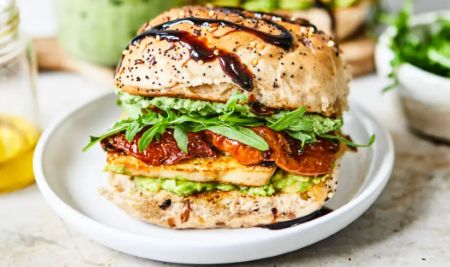
- Aim for small, frequent meals or snacks rich in fibre and protein (eg lentil soup, tofu stir‑fries, beans on wholemeal toast, hummus with vegetables) to maintain energy.
- If your appetite is very low, focus on soft, easy‑to‑digest foods (porridge, soya yoghurt, lentil or bean soups, stewed fruit with chia seeds), while still prioritising wholefood ingredients.
- Increase fibre slowly and drink plenty of water to minimise bloating and gas.
- If constipation or bloating is a problem, a dietitian can help tailor a high‑fibre plan that fits around your GLP‑1 medication and any other health conditions.
- If you have any concerns, talk to your doctor or a dietitian to avoid inadequate calorie or micronutrient intake.
Foods to limit or avoid
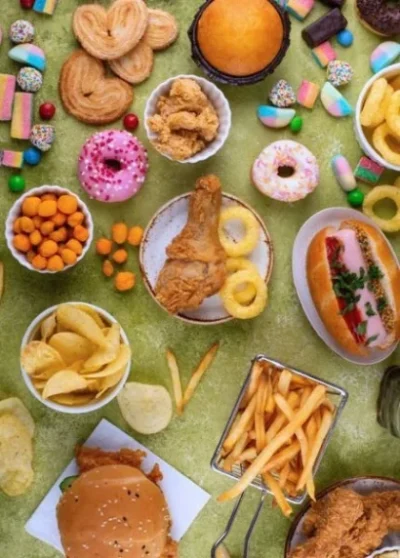
Some foods are hard to digest and can worsen nausea, bloating and heartburn because of slow stomach emptying – they can make you feel overfull or nauseous very quickly so there’s less room for nutritious foods and a higher risk of inadequate calories, protein and key nutrients. These foods to avoid are usually high in saturated fat, refined carbs and sugar, which can undermine weight loss, worsen insulin resistance and cause blood sugar spikes, working against the main goals of GLP‑1 therapy.
Avoid fried chicken, fish and chips, samosas, pakoras, spring rolls, burgers with cheese/mayo, kebabs, cheesy/fatty pizza, oily or creamy curries, mac and cheese, creamy pasta sauces, sausages, bacon, fatty beef/lamb, salami, pepperoni and high‑fat desserts such as cheesecake, cream cakes, ice cream and pastries.
For vegans on GLP‑1 drugs, the main things to limit are ultra‑processed, very high‑fat and very high‑sugar plant foods that can worsen nausea, bloating and reflux and make it harder to meet protein and nutrient needs on a smaller appetite.
This means avoiding some of the same or similar foods above, such as fried vegan ‘chicken’, samosas, pakoras, spring rolls and other deep‑fried snacks, oil‑heavy curries/stir‑fries as well as highly processed vegan meats, nuggets and ready meals high in fat, salt and refined carbs but low in fibre and protein.
Vegans may also want to limit very rich vegan cheeses and large amounts of nuts, nut butters or seeds in one sitting. Try to avoid or limit sugary plant milks, sweetened yoghurts, desserts, cakes, biscuits, chocolate, sweets and sugary drinks (including fruit juices and smoothies with lots of added sugar), white bread, white pasta, white rice, and sugary breakfast cereals eaten in large portions without protein or fibre.
In short, eating low-fat, high‑fibre plant‑based meals works well with how GLP‑1 drugs function, helping you feel fuller and more satisfied on smaller portions while meeting your nutritional needs. Alternatively, you may want to try seeing if a low-fat vegan diet can help you lose weight without taking GLP-1 medication. Find out more about how a healthy vegan diet can help you lose weight and see some sample meal plans here.
How supermarkets are responding
Major UK retailers have begun launching GLP‑1‑focused or ‘smaller appetite’ ranges, including mini‑meals, portion‑controlled products and nutrient-dense options aimed at people eating less on weight‑loss jabs.
In early 2026, new ready meals, high‑protein options and snack ranges from supermarkets such as M&S, Co‑op and Ocado were launched for GLP‑1 users; some include plant‑based choices that can fit neatly into a low‑fat vegan pattern.
These ranges may offer convenience, but check labels for fibre, saturated fat, added sugar and salt to ensure they genuinely support a wholefood, low‑fat vegan approach rather than just being smaller portions of ultra‑processed foods.
If you want to cut costs or cook your own meals from scratch, Vegan Recipe Club has come up with some recipes that fit the bill…
You might also like...