The lowdown on supplements
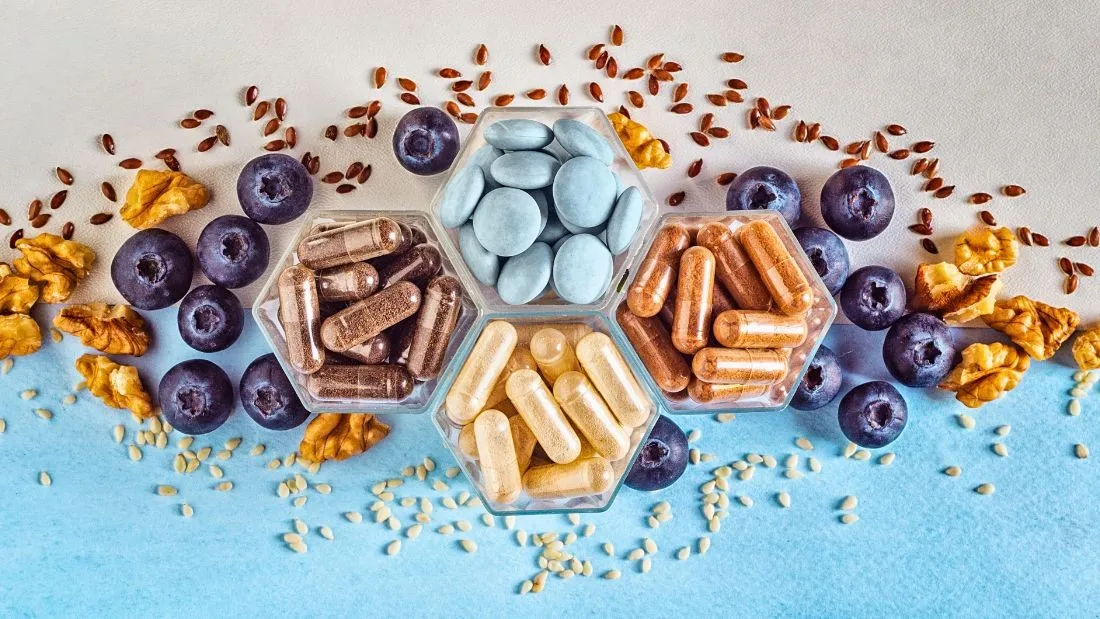
Vegans can barely get through the day without needing handfuls of supplements, according to numerous news stories. Complete nonsense, of course – the only exception being vitamin B12 and for some people, regardless of diet, vitamin D.
Neither of these two vitamins are naturally produced by plants; B12 comes from microbes mostly found in soil and vitamin D is made by mushrooms and animals – yes, including humans – when exposed to sunlight. Everyone, regardless of diet, needs a reliable source of both.
Vegans do not need lots of expensive supplements or powders but if you’d like some reassurance, here are the basics to ensure you’ve got everything covered.
Vitamin B12
We need B12 to keep our nerve cells healthy, to make DNA and red blood cells and to support a strong immune system. It also helps the body use iron effectively and plays a role in regulating mood, so it’s a very important vitamin.
Low B12 levels are not uncommon in the UK, especially among older people. Some studies have found lower levels in both the general population and vegans – which is why Viva! recommends a B12 supplement.
Not to miss a marketing opportunity, meat and dairy adverts often claim that meat and milk are a ‘natural’ source of vitamin B12. In reality, B12 is made by bacteria in soil, not by farmed animals. Modern sanitation has largely removed these bacteria from our food supply, affecting both humans and farmed animals. As a result, livestock are routinely given B12 supplements. It’s safer to cut out the middleman and take your own supplement.
What’s more, levels of B12 in animal products have been declining, with levels in pork having fallen by about a third since the early 1990s, likely due to the ban on feeding pigs dried meat and bone meal during the BSE crisis. Similarly, cow’s milk now contains around 50 per cent less B12 than it did in 1996.
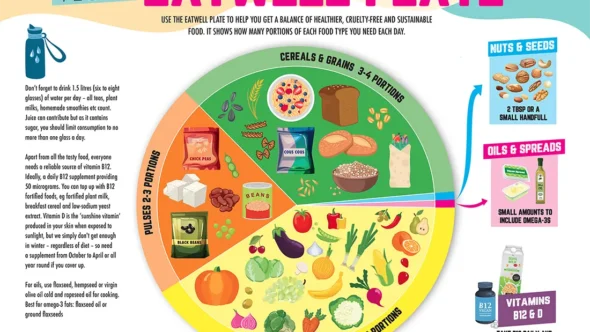
B12 is vital for everyone, especially the over-50s as absorption declines with age and deficiency may cause tiredness, pins and needles, muscle weakness, depression, cognitive issues and may also raise the risk of heart disease and stroke. Levels of B12 can be easily checked and deficiency can be treated with supplements or injections. Viva! recommends 50μg daily or 2,000μg weekly (avoid taking more than that) alongside the routine use of fortified plant milks etc.
Vitamin D
We need vitamin D for healthy bones, teeth, muscles and other functions. It helps our bodies absorb calcium from food. Known as the ‘sunshine vitamin’, it’s made by the action of sunlight on skin.
In the UK, around one in six adults and 20 per cent of children have vitamin D levels below recommended thresholds – with higher risks for older people, those who are housebound and Black and South Asian communities.
In spring and summer, most people in the UK can get enough vitamin D from five to 25 minutes daily sun exposure – less for lighter skin. To reduce sunburn and cancer risk, ‘little and often’ is best. From October to March, sunlight lacks sufficient UVB for synthesis so the government recommends everyone, regardless of diet, should consider taking a 10μg daily supplement. Those who are housebound, who cover up and sunscreen users, should consider taking a supplement all year-round.
Vitamin D comes in two forms: D2 is always vegan and comes from UV-exposed mushrooms whereas D3 is typically lanolin-based, from sheep’s wool, but vegan versions can be produced from algae. Unspecified ‘vitamin D’ on labels usually means animal D3. Vegan food sources include fortified plant milks (UK cow’s milk contains only trace amounts), vegan margarines, vegan cereals (eg Ready Brek) and UV-exposed mushrooms. Vegan supplements provide D2 or algae-D3. Taking more than 100μg of vitamin D a day could be harmful.
Calcium
A healthy vegan diet rich in wholegrains, pulses, nuts and seeds can meet your calcium needs of 700mg a day without the need for supplements – which recent studies suggest may increase the risk of cardiovascular disease in some people.
Top sources include tofu (with calcium sulphate), fortified cereals and plant milks, dried figs, kale, sesame seeds/tahini, tempeh, wholemeal bread, baked beans, butternut squash, almonds, Brazil nuts, spring greens and watercress.
A note on greens – spinach, chard and beet greens contain calcium, but their oxalates hinder its absorption. Low-oxalate kale, broccoli and bok choy provide calcium that is absorbed approximately twice as efficiently as from cow’s milk – plus they contain fibre, folate, iron and antioxidants, which are absent from dairy.
Iodine
Iodine is essential for making thyroid hormones, which help regulate metabolism and energy use. Again, the dairy industry warns how vegans miss out by shunning cow’s milk but iodine is not naturally found in dairy milk – it comes from feed supplements and iodophor disinfectants used to clean cow’s teats and udders. Again, iodine levels in the UK have fallen as a result of changes in farming feeding and processing practices.
Many plant milks are now fortified with iodine and vegans can meet their 140μg daily needs through a varied diet with occasional seaweed (arame, wakame, nori), iodised salt (used sparingly) and fortified plant milks – check labels. Too much iodine can disrupt thyroid function, leading to weight gain but up to 500μg per day is unlikely to cause harm.
Omega-3s
Our bodies can’t make essential omega-3 fats, which support cell function, hormones, inflammation control and heart health, so we need them in our diet. One to two teaspoons of flaxseed oil, a handful of walnuts or a tablespoon of ground flaxseeds or chia seeds easily meet most adults’ daily ALA omega 3 needs. For some (eg in pregnancy or with heart disease), an algae based EPA/DHA supplement may be advisable as our bodies convert only a small fraction of ALA into these longer chain omega 3s. Choose a vegan one produced from algae – that’s where fish get their omega-3s.
Selenium and zinc
You don’t need a supplement for either of these minerals. Brazil nuts are by far the richest source of selenium and one or two a day – no more – can meet your needs. Selenium is also found in sunflower and sesame seeds, wholegrains, tofu, asparagus and mushrooms. Women and men need 60μg and 75μg a day respectively. Too much selenium can cause hair and nail loss but 350μg or less a day is unlikely to cause harm.
For zinc, women and men need 7mg and 9.5mg a day respectively. The best plant sources include tempeh, wholewheat spaghetti, tofu, quinoa, pumpkin seeds, lentils, couscous, wholegrain rice, cashew nuts, sesame seeds and tahini. Too much zinc can cause harm so avoid taking more than 25mg a day unless advised to by your doctor.
The bottom Line
All major health organisations agree that a balanced, healthy vegan diet can supply all the essential nutrients you need while helping to reduce the risk of obesity, diabetes, heart disease and cancer.
For more information see viva.org.uk/a-z-of-nutrients
Summary — Quick overview
SUMMARY
Claims that vegans need handfuls of supplements are false. The only routine exception is vitamin B12 and, for many people regardless of diet, vitamin D. B12 is made by soil microbes, not by animals, and modern farming already relies on supplementing livestock. A reliable B12 source matters for nerve health, red blood cells, DNA and immunity, and low levels can cause tiredness, pins and needles, weakness, depression and cognitive problems.
In the UK, vitamin D can usually be made through regular spring and summer sun exposure, but from October to March everyone is advised to consider a 10μg daily supplement. A healthy vegan diet can also provide calcium, iodine, omega-3, selenium and zinc from foods such as fortified plant milks, tofu, wholegrains, pulses, seeds, nuts and greens. Supplements are not generally needed for these nutrients, though an algae-based EPA/DHA supplement may help some people, including during pregnancy or with heart disease.
KEY FACTS
- Viva! recommends vitamin B12 at 50μg daily or 2,000μg weekly, alongside fortified foods such as plant milks.
- The UK government advises everyone to consider a 10μg daily vitamin D supplement from October to March, and some people may need it all year-round.
- Calcium needs of 700mg a day can be met from foods including calcium-set tofu, fortified plant milks, kale, sesame seeds, tempeh and wholemeal bread.
- Iodine is essential for thyroid hormones, and vegans can obtain the recommended 140μg a day from fortified plant milks, occasional seaweed and a varied diet.
- Most adults can meet ALA omega-3 needs with one to two teaspoons of flaxseed oil, a tablespoon of ground flaxseeds or chia seeds, or a handful of walnuts.
- One or two Brazil nuts a day can meet selenium needs, but more is not advised because too much selenium can be harmful.
- All major health organisations agree that a balanced vegan diet can provide all essential nutrients and may help reduce the risk of obesity, diabetes, heart disease and cancer.
FAQ
Do vegans need lots of supplements?
No. The main routine supplement is vitamin B12, and vitamin D may also be needed depending on sunlight exposure and personal circumstances. Other nutrients such as calcium, iodine, omega-3, selenium and zinc can usually be obtained from a balanced vegan diet.
Why is vitamin B12 so important on a vegan diet?
B12 helps keep nerve cells healthy and is needed for DNA, red blood cells, immunity, iron use and mood regulation. Deficiency is not uncommon in the UK and can lead to tiredness, pins and needles, muscle weakness, depression and cognitive issues. Viva! recommends a reliable supplement rather than relying on animal products, which are themselves linked to supplementation in modern farming.
Can vegans get enough omega-3 without fish oil?
Yes. Daily ALA omega-3 needs can be met with flaxseed oil, ground flaxseeds, chia seeds or walnuts. For some people, such as those who are pregnant or have heart disease, an algae-based EPA/DHA supplement may be advisable. Fish get their omega-3 from algae in the first place.

About the author
Dr. Justine Butler
Justine joined Viva! in 2005 after graduating from Bristol University with a PhD in molecular biology. After working as a campaigner, then researcher and writer, she is now Viva!’s head of research and her work focuses on animals, the environment and health. Justine’s scientific training helps her research and write both in-depth scientific reports, such as White Lies and the Meat Report, as well as easy-to-read factsheets and myth-busting articles for consumer magazines and updates on the latest research. Justine also recently wrote the Vegan for the Planet guide for Viva!’s Vegan Now campaign.
View author page | View staff profile