
The Fibre Fix: How a Vegan Diet Delivers
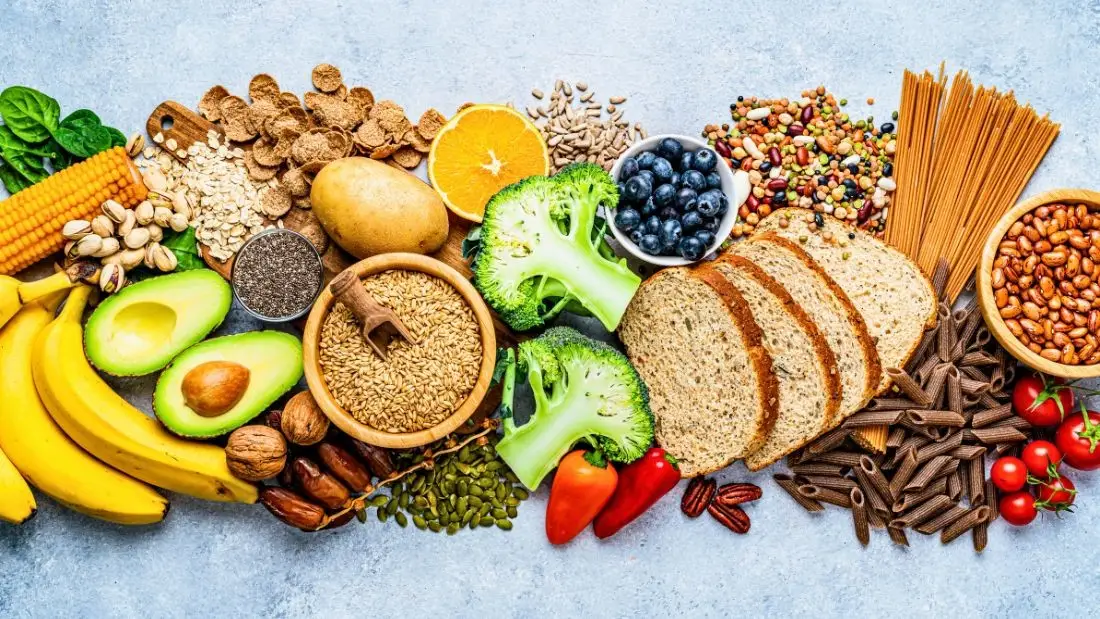
Everyone’s talking about protein these days but fibre deserves more attention – many people get enough protein yet most fall dramatically short on fibre. In the UK, the average intake is only half the recommended amount for good health but a balanced, healthy vegan diet makes it easy to hit that target.
Fibre is the name for the group of carbohydrates that pass through your stomach undigested and into your large intestine, where trillions of beneficial gut bacteria ferment them into health-promoting compounds. Although we can’t digest fibre ourselves, it plays a vital role in our digestive health, immune function, brain wellbeing and overall vitality.
The fibre gap
UK adults are advised to eat 30 grams of fibre a day, but the latest government survey suggests the average intake is only 16.5 grams – just over half the recommended amount. Eating too little fibre can raise the risk of heart disease, type 2 diabetes, and digestive problems ranging from constipation to colorectal (bowel) cancer. Worryingly, bowel cancer rates are also rising in younger adults, and low fibre intake may be one factor behind this trend.
Why fibre matters
Fibre supports health in multiple ways across the body:
- Gut health and digestion: it improves bowel regularity, increases stool bulk and helps prevent constipation, haemorrhoids, diverticular disease and lowers the risk of bowel cancer.
- Feeding the microbiome: fibre nourishes your beneficial gut bacteria, which ferment it into short-chain fatty acids (SCFAs) such as butyrate. These compounds help maintain the gut lining, reduce inflammation and may also lower bowel cancer risk.
- Gut-brain connection: the gut is sometimes called our ‘second brain’ because it has its own network of nerves – the enteric nervous system – which communicates with the brain via the gut-brain axis. SCFAs produced from fibre help support this communication, influencing inflammation, mood and overall brain health.
- Blood sugar and weight control: soluble fibre slows down glucose (sugar) absorption, boosts insulin sensitivity and keeps you feeling full for longer, which can help manage your weight.
- Heart health: fibre helps lower LDL ‘bad’ cholesterol, blood pressure and triglycerides, reducing your risk of cardiovascular disease.
- Chronic disease prevention: higher fibre intakes are linked to lower risks of type 2 diabetes, heart disease and bowel cancer, as well as a reduced rate of death from all causes.
- Windy consequences? Switching to a high-fibre, plant-based diet may cause a little more wind at first – a sign your gut bacteria are thriving and fermenting fibre. The upside? Plant-based diets often produce less smelly flatulence than meat-heavy ones, thanks to their lower sulphur content – fewer of those pungent, rotten-eggy hydrogen sulphide gases.
The vegan advantage
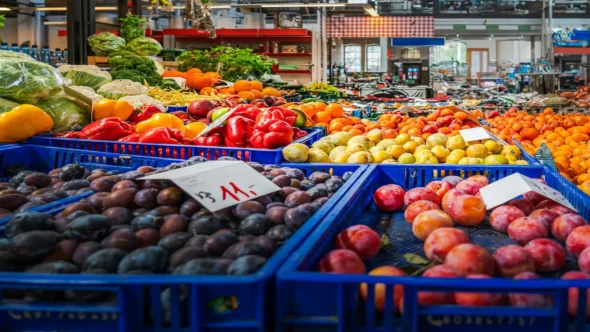
Unless you just eat chips and burgers all the time, vegan diets tend to be naturally rich in fibre because all whole plant foods contain it. Studies consistently show that vegans have the highest fibre intakes of all dietary groups. For example, the EPIC-Oxford study found fibre intake was highest in vegans and lowest in meat-eaters.
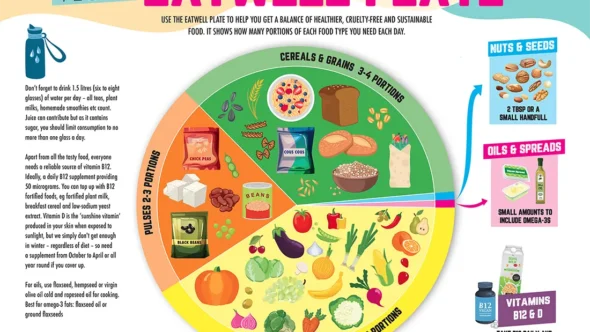
Including a variety of fruits, vegetables, wholegrains, pulses, nuts and seeds makes it easy to meet – and often exceed – the 30 grams per day recommendation.
Why animal-based diets fall short
Animal products – including meat, fish, dairy and eggs – contain no fibre whatsoever. As a result, diets centred on these foods, such as low-carb or ketogenic diets, typically struggle to provide adequate fibre without significant inclusion of plant foods.
Interestingly, an increasing body of evidence shows how our ancient ancestors evolved to thrive on a high-fibre, plant-based diet, with estimated daily intakes of 100 grams or more from fruits, vegetables, tubers, nuts and seeds. The real Paleo diet was plant-based.
Fibre plus: the plant package deal
High-fibre plant foods come with added benefits. Alongside fibre, they provide vitamins, minerals, antioxidants and phytochemicals that work together to reduce inflammation and support long-term health. Shifting from animal to plant foods also means less saturated fat and cholesterol, improved weight management, a lower environmental impact and no animals are harmed.
Types of dietary fibre
Fibre comes in different forms, each offering distinct benefits. Most plant foods contain a mix, so variety is key.
Soluble fibre: dissolves in water to form a gel-like substance. Helps you feel full for longer, softens stools, slows glucose absorption and lowers LDL ‘bad’ cholesterol. Good sources include oats, pulses, bananas, berries, apples, pears, sweet potatoes and carrots.
Insoluble fibre: does not dissolve but adds bulk to stools and speeds up gut transit. Helps prevent constipation and supports bowel health. Good sources include wholegrains, bran, vegetable skins, dried fruit, nuts and seeds.
Fermentable fibre (including resistant starch): fermented by gut bacteria to produce SCFAs that support gut health and may reduce bowel cancer risk. Good sources include green bananas, oats, barley, pulses, cooled cooked rice and pasta.
Practical tips to boost your fibre intake:
- Choose wholegrain options, such as wholemeal bread, brown rice and wholewheat pasta, instead of refined (white bread, white rice) versions.
- Add nuts and seeds to meals or snacks for an easy fibre boost.
- Include beans, lentils or chickpeas regularly – even simple meals such as beans on wholemeal toast can provide half your daily target.
- Snack on fruit, vegetables, oatcakes or nuts instead of processed foods.
- Increase your fibre intake gradually and drink plenty of fluids to avoid digestive discomfort.
- If you have an existing gut condition, you may benefit from tailored advice from your doctor or a dietician.
Closing the gap
Fibre supports your health from head to toe – from gut function and heart health to blood sugar control and disease prevention. Closing the UK’s fibre gap is essential and a healthy vegan diet offers a simple, effective way to do it.
EVERYDAY WAYS TO HIT 30 GRAMS AND BEYOND
Getting enough fibre is easier than you might think. For example, a simple day of plant-based meals could provide up to 50 grams of fibre: porridge (10g) + lentil soup (16g) + bean chilli (18g) + snacks (8g) = ~52g fibre
Find out how to hit your 30 gram a day target here.

About the author
Dr. Justine Butler
Justine joined Viva! in 2005 after graduating from Bristol University with a PhD in molecular biology. After working as a campaigner, then researcher and writer, she is now Viva!’s head of research and her work focuses on animals, the environment and health. Justine’s scientific training helps her research and write both in-depth scientific reports, such as White Lies and the Meat Report, as well as easy-to-read factsheets and myth-busting articles for consumer magazines and updates on the latest research. Justine also recently wrote the Vegan for the Planet guide for Viva!’s Vegan Now campaign.
View author page | View staff profile