How to eat well when you’re travelling
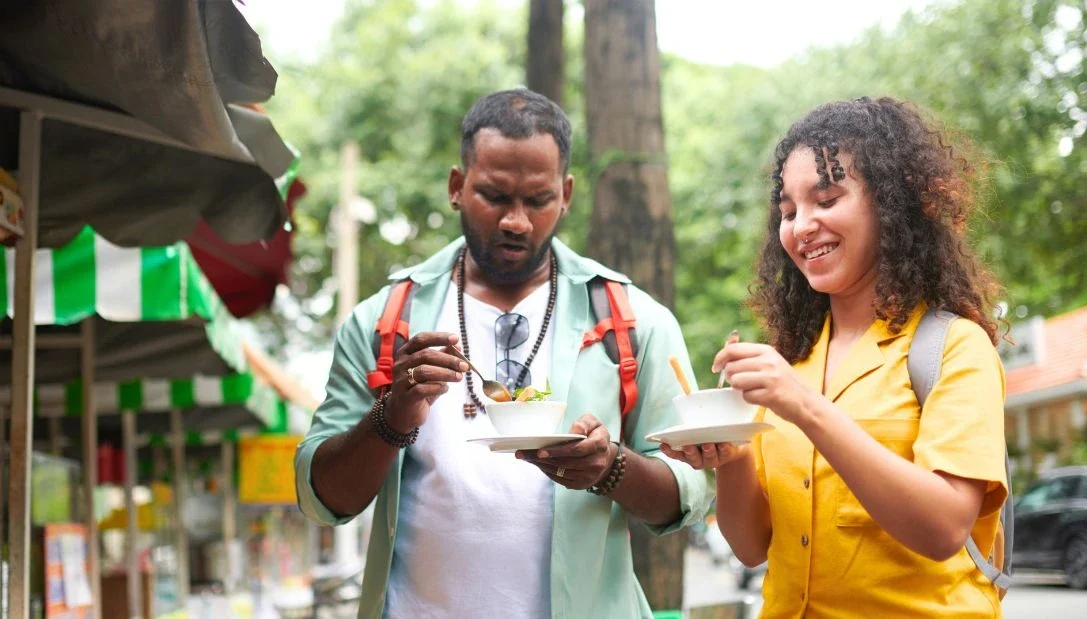
Enjoy local cuisine and feel good wherever you go
Plan ahead
It’s wonderful to be spontaneous but when it comes to food, it’s best to do your research. Search for vegan foods and restaurants in your destination, read reviews and use social media if you can.
You’ll find more than just useful tips for where to eat – important food or water safety advice and it could save you the trouble of unnecessarily taking foods with you. On the other hand, you may find only a couple of useful pieces but it’s worth looking.
Another part of planning ahead should be to learn some basic phrases and common food ingredients in the local language so you’re not lost when eating out or shopping. It can save a lot of time if you know how to say: “I’m vegan and don’t eat meat, fish, eggs or dairy,” in the local language.
Pack your favourites
Once you know the basics, it’s time to pack some safe and reliable foods that travel well.
Nuts, seeds, dried fruit, energy or protein bars, biscuits, oat cakes or seeded crispbread are convenient and nutritious snacks. A jar of nut butter is also great, although not always convenient but you may well find small packs of nut butter made specifically for travelling.
If you’re going somewhere more remote or are planning an active holiday, protein powder sachets could come in handy. Even though a big bag of protein powder is more eco-friendly, single-serving sachets are best for travelling because they keep better. and are also safer in case of security checks. If you also take some freeze-dried fruit, you’ll be well-prepared for your journey.
One more thing! If you drink tea or coffee with plant-based milk and you don’t know if that will be available, pack a vegan powdered coffee creamer in its original packaging. You can also use it for breakfast cereal if there’s nothing else on hand.
Find local favourites
Being prepared doesn’t mean you should bring so much that you won’t experience local foods. Go shopping and explore and if you’re not sure, ask! Every country has a wide variety of snack-type foods and many are accidentally vegan. Some are usually based around nuts and seeds or pulses which means they are nutritious, too.
In countries where food safety is a risk, packaged foods, fried and roasted foods and fruit with thick skin (avocadoes, bananas, oranges) tend to be safer options.
While you’re at a market or local food shop, ask about a vegetarian or vegan restaurant – there may not be one but locals are the best to point you in the right direction. If you happen to find a health food shop or yoga studio, you might get even better suggestions.
Top up on protein
Eating vegan on holiday can be easy but you may not be able to get balanced meals. Whether you’re eating in a hotel or relying on local restaurants that are not experienced in vegan cooking, they may prepare vegan meals by simply omitting the meat, fish, egg or dairy part. It means you might get chips and salad, potatoes and vegetables, pizza without cheese, pasta with tomato sauce, rice and veggies, vegetable soup or salad with bread – they may be filling but they are all somewhat lacking in protein.
I’m not saying bring a can of beans to a restaurant but you have options. The first is to have protein-rich snacks between meals – think nuts, roasted chickpeas, lentils or edamame, a peanut butter sandwich or even oat cakes. The second is to ask to have your meal customised – can they add some beans, lentils or chickpeas? Is tofu an option? Are there any seed toppings?
If none of those is an easy option, leave it and relax – a few days of unbalanced meals won’t cause any lasting damage to your health. Aim for nutritious meals but don’t stress if things aren’t ideal.
Mix and match
Whether you’re staying at a place with your own kitchen or not, you’ll probably want to enjoy local cuisine and soak up the atmosphere, which means eating out. The best strategy for eating well on holidays is to have some meals that you put together yourself and some that are prepared for you by someone else so you can relax. That way you get the best of both worlds – you’ll know you ate some quality, balanced meals and then you don’t have to worry about the nutritional profile of restaurant food.
Of course, you may be lucky and discover the perfect place for eating out on the first day – you never know!
Another way to mix and match is in following recommendations on some days and watching the locals and where they eat to try something different on other days. If you’re anxious about hygiene, make sure to eat foods that are freshly prepared and have not been sitting out all day. And, of course, don’t forget to bring hand sanitiser and medicines for digestive issues!
Manage expectations
Be upfront about your dietary preferences. Some places try to be welcoming by offering Western-style foods so it’s best to warn them in advance. You’ll spare yourself the trouble of politely declining their offerings and of feeling guilty for wasting food – and you’ll save them money.
I was once staying at a B&B and told them we’ll just have something simple for breakfast, like some fruit, bread and jam, because we’re vegan. The next morning, we were greeted with the most amazing vegan breakfast with lots of options – and the cook was so pleased with herself! It’s an exception, rather than a rule, but it happens from time to time.
That’s the beauty of travelling – you may live on bread, peanuts and bananas for a few days but there are always some unexpected gems waiting for you.

About the author
Veronika Prošek Charvátová
Veronika Prošek Charvátová MSc is a biologist and Viva! Health researcher. Veronika has spent years uncovering the links between nutrition and good health and is an expert on plant-based diets.