

Crohn’s disease and plant-based diets

Crohn’s diagnosis is a big challenge but fine-tuning your diet can change your life
What is Crohn’s disease?
Crohn’s disease is a type of inflammatory bowel disease (IBD) that causes inflammation of the gut lining – the inner surface of your gut. It makes it swollen, irritated and ulcerated and the inflammation may spread to deeper layers of the bowel, creating even more problems.
Symptoms may include diarrhoea, tummy ache and cramping, extreme tiredness (fatigue), blood in the stools, malnutrition and weight loss. The disease usually affects the gut but can appear anywhere along the digestive system.
Crohn’s disease tends to appear in late childhood or early adulthood and follows a pattern where periods of good health, known as remission, alternate with troublesome flare-ups. Living with the disease can be complicated, painful and debilitating.
As a result of the damaged gut lining, people with Crohn’s tend to have reduced absorption of vitamins, minerals and amino acids (proteins) crucial not just for good health but also for the immune system so achieving good nutrition during flare-ups may be difficult.
Although there is no known cure for Crohn’s, certain lifestyle changes and therapies can prolong remission – allowing the gut to heal – and improve your quality of life. Crohn’s disease doesn’t mean you cannot live a full and active life; you just need to figure out what works best for you.
How is Crohn’s diagnosed?
Crohn’s disease is not something you can reliably self-diagnose. To confirm, or rule out, the diagnosis, your doctor will evaluate your medical history, perform a physical examination, refer you for diagnostic imaging and will order laboratory tests.
If you’re looking for a specialist in this area, Dr Alan Desmond is a UK-based gastroenterologist championing a wholefood plant-based diet approach to gut health.
Crohn’s and animal farming
Crohn’s disease is an autoimmune disorder – it makes your immune system attack your own gut lining by mistake. It’s not known exactly what causes the disease but it is thought to be a combination of your genes and immune system dysfunction triggered by an infection (virus or bacteria). When your immune system attacks the invading virus or bacteria, it also accidentally attacks the gut lining.
One of the possible triggers can be an infectious bacterium called Mycobacterium avium subspecies paratuberculosis (MAP). A direct link is yet to be established but research suggests MAP may be present in 20 to 90 per cent of people with Crohn’s disease, compared with only two to 30 per cent of people without the disease.
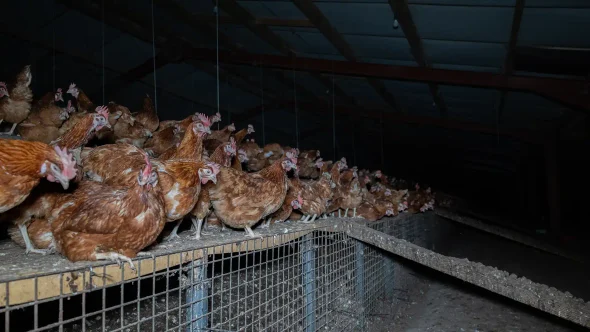
MAP infection is widespread among cows in the UK, causing a chronic inflammatory infection in their intestines called Johne’s disease. MAP can survive pasteurisation and has been found in cow’s milk time and again. It’s also widespread in the environment surrounding cattle farms.
Foods to avoid with Crohn’s
There are several food categories that may make symptoms worse during a flare-up or even trigger one so it’s best to avoid these:
- Milk and dairy products
- Alcohol
- Caffeinated drinks
- Fizzy drinks
- Artificial sweeteners
- Sugary foods and drinks
- Spicy foods – including hot, chilli sauces and condiments
- Fatty foods
- Highly processed foods
- Some high-fibre foods (for some people but not all)
If you have a narrowed bowel (stricture), your doctor may recommend a low-fibre diet to reduce the risk of blockage. This is to reduce the volume and frequency of your stools and so achieve some relief from the symptoms.
On the other hand, a wholefood vegan diet (high in fibre) has been shown to be beneficial for Crohn’s sufferers. If you don’t have strictures, there’s no reason to avoid high-fibre foods in general – you may find that only some aggravate your symptoms.
Plant-based diet
Several studies examined the effects of a wholefood, plant-based diet on Crohn’s and produced some very interesting results. The diet was not only effective at reducing most symptoms, it also improved the composition of gut bacteria, which led to reduced gut inflammation.
Gut bacteria diversity is typically reduced in Crohn’s disease, which undermines gut and overall health so the fact that a plant-based diet is effective at increasing gut bacteria diversity and supporting the beneficial species is encouraging.
Research also shows that a traditional Western diet low in fibre and high in animal protein and fats, as well as highly processed foods, makes Crohn’s much worse. On the other hand, plant-based diets are rich in anti-inflammatory compounds which help to improve your health.
Fibre and Crohn’s
Some high-fibre foods may aggravate Crohn’s disease but it’s not a rule. Some sources recommend avoiding fibre-rich foods altogether but that would be a mistake as they promote good gut bacteria. You may find that kidney beans are a problem but you may be absolutely fine with haricot and mung beans. Experiment!
Another major thing is that when you change the texture of foods, they become easier to digest. For example, raw kale leaves and blended kale both contain the same amount of fibre but blended kale is much easier to digest. And it’s similar with other foods – whole nuts may give you trouble but nut butters may be easier to digest.
Book tip! The Plant-Based Crohn’s and Colitis Cookbook by Helena Murphy. The author has Crohn’s disease herself and created this book to help others manage their condition.
Where do I start?
An elimination diet can help you discover which foods make your Crohn’s worse and which are safe. It means eating a very basic diet without any possible trigger foods and then introducing specific foods back into your diet, one at a time. Give each food three days and if your tummy says it’s ok, move on to the next.
As a general rule, try to have several smaller meals during the day rather than three big meals.
If possible, work with a specialised dietitian who has experience with Crohn’s disease – there isn’t one exact diet that would suit all Crohn’s sufferers and everyone needs to find what’s best for them.

About the author
Veronika Prošek Charvátová
Veronika Prošek Charvátová MSc is a biologist and Viva! Health researcher. Veronika has spent years uncovering the links between nutrition and good health and is an expert on plant-based diets.