


Top 10 ways to get more protein in your diet
Undoubtedly, the most common question asked of vegans is, ”Where do you get your protein?“ and, while it’s easy to get enough protein with a well-planned vegan diet, it is still an important nutrient worthy of consideration. Protein isn’t just important for muscle growth and repair; we need it for many other vital bodily functions from creating hormones to supporting our immune system. It is recommended that adults consume at least 0.8 grams of protein per kilogram of lean body weight but active people, and those aged over 50 may need more. With that in mind, here are 10 ways to get more protein on your plate.
1. It’s time for tofu and tempeh
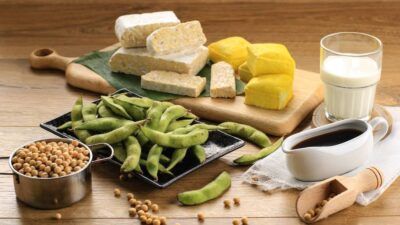
Tofu and tempeh are true nutritional powerhouses thanks to their outstanding profiles as high-protein, low-carb and low-fat foods. While tofu is made from soya bean curd, tempeh is made from fermenting the whole bean. Per 100 grams, tofu typically provides 12 to 15 grams of protein, just over five grams of fat and around four grams of carbohydrates, including beneficial fibre. Tempeh just beats tofu with around 20 grams of protein per 100 grams. Both are a complete protein source, meaning they contain all nine essential amino acids necessary for human health, making either one an excellent protein choice.
2. Got gluten?
Seitan, a powerful high-protein meat substitute derived from wheat gluten, is a true protein champion, delivering roughly 24 grams of protein per 100 grams – even more than tofu or tempeh – making it an ideal protein source for most people, but especially for people with a soya allergy. Low in fat, carbohydrates and calories, seitan also supplies several essential minerals and eight of the nine essential amino acids; the ninth amino acid, lysine, is easily supplemented by eating complementary foods like beans, lentils and nuts. However, because seitan is made entirely from gluten, those with gluten intolerance or coeliac disease will need to stick to some of the other foods on this list.
3. Ancient wisdom of amaranth and quinoa
Amaranth and quinoa are ancient, nutrient-dense seeds but commonly used and classified as whole grains. Both are celebrated for their mighty protein content and status as complete protein sources, meaning they supply good amounts of all nine essential amino acids your body requires. With cooked quinoa offering about eight grams of protein per cup and amaranth slightly surpassing it with around nine grams per cup, incorporating either into a grain bowl or meal ensures your body receives all the necessary protein building blocks it needs.
4. Nuttin’ compares to snacking on seeds
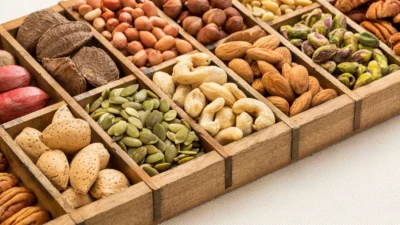
Nuts – such as peanuts, walnuts and almonds – and seeds – such as pumpkin and hemp seeds – are a great way to top up your protein. Of the nuts, peanuts (technically a legume) take the top spot with around 26 grams of protein per 100 grams, followed by almonds and walnuts, with about 21 and 15 grams per 100 grams, respectively. Pumpkin seeds have 19 grams of protein per 100 grams, but hemp is the superior seed with upwards of 30 grams of protein per 100 grams. This makes snacking on nuts and seeds a no-brainer if you want to get more protein in your diet. Nuts and seeds don’t just need to be eaten in their original state; nut and seed butters are a great way to mix it up – just go for pure butters, without added sugar and salt. If you’re worried about the fat content, don’t be. Studies show that moderate snacking on nuts doesn’t lead to weight gain but avoid salted and sweetened ones.
5. Don’t overlook oats
Although oats are usually (and rightly) thought of as an awesome source of healthy carbohydrates, they are also a perfect source of plant-based protein and one of the greatest of grains. The protein content of oats typically ranges from 12 to 24 per cent, which translates to up to 17 grams of protein per 100 grams of dry oats. What’s more, about 80 per cent of their protein is unique to oats – a protein called avenalin. Oats also contain another protein called avenin, which is related to wheat gluten but, fortunately, most individuals with gluten intolerance can eat it without issue. To ensure safety for those with coeliac disease, certified gluten-free oats are widely available, preventing any risk of cross-contamination from other grains during processing but allowing everyone to enjoy this excellent source of protein.
6. Pile on the peas and pulses
Pulses and legumes, such as kidney beans, lentils, garden peas, edamame and chickpeas, are an absolute must for anyone looking to get more protein. Kidney beans, black beans, and haricot beans all have more than eight grams of protein per 100 grams. Chickpeas are another great high-protein option with the benefit of being the main ingredient of hummus and falafels. But perhaps the most impressive pulse is the lentil. Boiled lentils contain around nine grams of protein per 100 grams and make a great high-protein meat substitute in dishes like spaghetti bolognese and chili non-carne. No plate is complete without a serving of pulses, even in the form of a bean burger, hummus or baked beans on toast! If pulses give you wind, start small then increase the serving size gradually to give your gut time to adjust to the fibre.
7. Wholegrains are hidden heroes
Unrefined wholegrain and wholewheat products such as brown rice, pasta and wholemeal bread, usually contain more protein than their white counterparts so an easy way to get more protein is to swap the refined versions for the wholegrain ones. While not necessarily a high-protein food in themselves – with between five to 10 grams of protein per 100 grams, depending on the product – we tend to eat quite a lot of these foods so their protein contribution to our diet can soon add up. When you combine them with other protein-rich foods, such as hummus or peanut butter on wholemeal bread, or pasta with a lentil bolognese, you’ll meet your daily requirement before you know it!
8. Burgers aren’t all bad
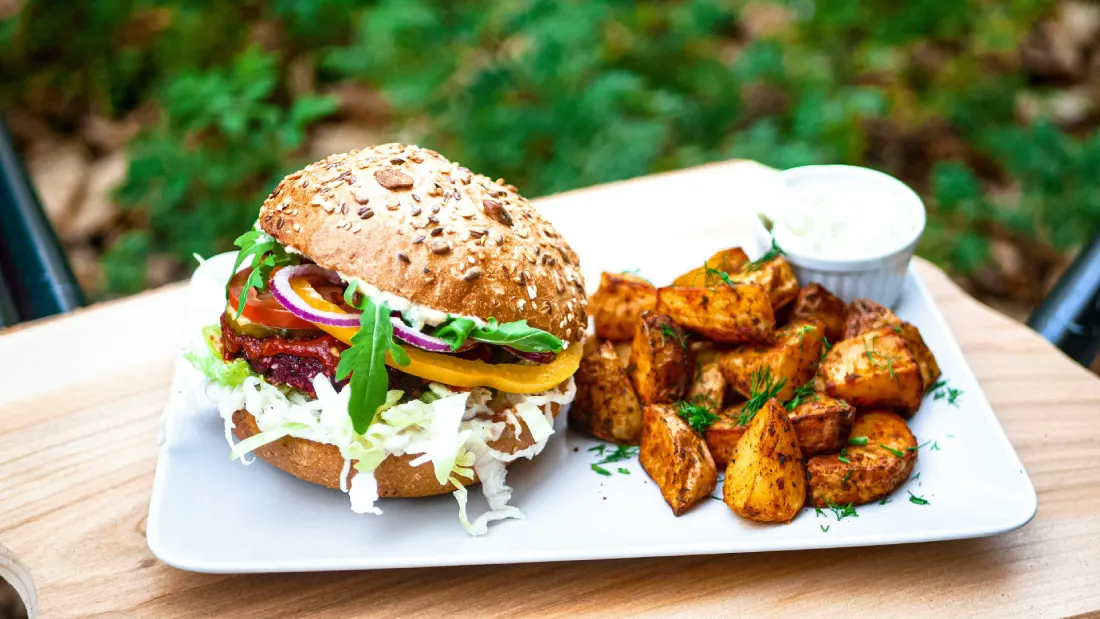
Who doesn’t love a burger or hot dog?! If you’re looking for a protein-packed vegan option, look no further than those made with mycoprotein. Quorn pioneered mycoprotein meat alternatives but other producers are now using this fermented fungus. That may not sound very appetising but it is a great source of high-fibre, low-fat protein… and is actually delicious. Quorn vegan burgers contain around 13 grams of protein per 100 grams while the bangers contain even more, with 16 grams of protein per 100 grams. Researchers even found that mycoprotein is more effective at building muscle than milk protein. Burgers made from soya are also a great option. For example, Fry’s Traditional Burgers contain 13.6 grams of protein per serving, so two burgers would give you a whopping 27.2 grams of protein!
9. Swerve towards soya-based dairy alternatives
Soya is a super source of protein and therefore so are soya-based dairy alternatives such as soya milk and soya yoghurt. A 2025 comparison of the nutritional content of plant-based milks found that soya milk, alongside pea milk, had the highest protein content at around eight grams per 240ml cup. Similarly, soya yoghurt has between four and five grams of protein per 100 grams – but a serving could be 200 grams so that would still give you at least eight grams of protein, plus the protein in whatever else you add to the bowl, for example, oats, nuts and seeds. Soya is an exceptionally healthy food and its protein content is just one reason it should be a staple in every vegan’s kitchen.
10. Perhaps a place for protein powder
Firstly, it is absolutely possible to get all the protein you need from whole foods without turning to protein powders. However, for some, including people who work out a lot and older people who may have lost some of their appetite, protein powders can be a convenient and effective way to supplement their diet. Almost all protein powder brands offer a vegan option these days, from blends to hemp to soya isolate. Pea protein isolate is a popular choice as it has a good amino acid profile, has a high protein content and is free of common allergens such as gluten, soya and dairy. Just don’t expect to get ripped without putting in the work at the gym!
You can meet all of your protein requirements following a vegan diet. What’s more, it’s much healthier to get protein from plant-based sources than from animal-based foods. Evidence shows that diets high in animal protein are linked to an increased risk of heart disease and mortality whereas diets high in plant protein promote longevity and reduce the risk of many diseases. Remember, protein is in many foods and you don’t need to rely on one food type for all your protein needs. By eating a wide variety you can tick off all the essential amino acids and get all the protein you need to flourish!
Find out more about protein here.

About the author
Nicholas Hallows
Nicholas has been vegan since the early 2000s and worked for Viva! between 2017 and 2020 as a Senior Administrator and Web Content Assistant. He is a qualified teacher, specialising in Language and Literacy, and an accredited Proofreader and Editor. He is now a freelance writer covering topics including veganism, mindfulness and minimalism.