


The health benefits of seven summer foods
Summer is upon us and that means it’s time to take advantage of some of the most flavourful and nutrient-dense summer foods nature has to offer. From berries bursting with antioxidants to protein-packed broad beans, here are seven powerful summer staples that hit the spot on sunny days and offer massive benefits for your health.
1. Berries
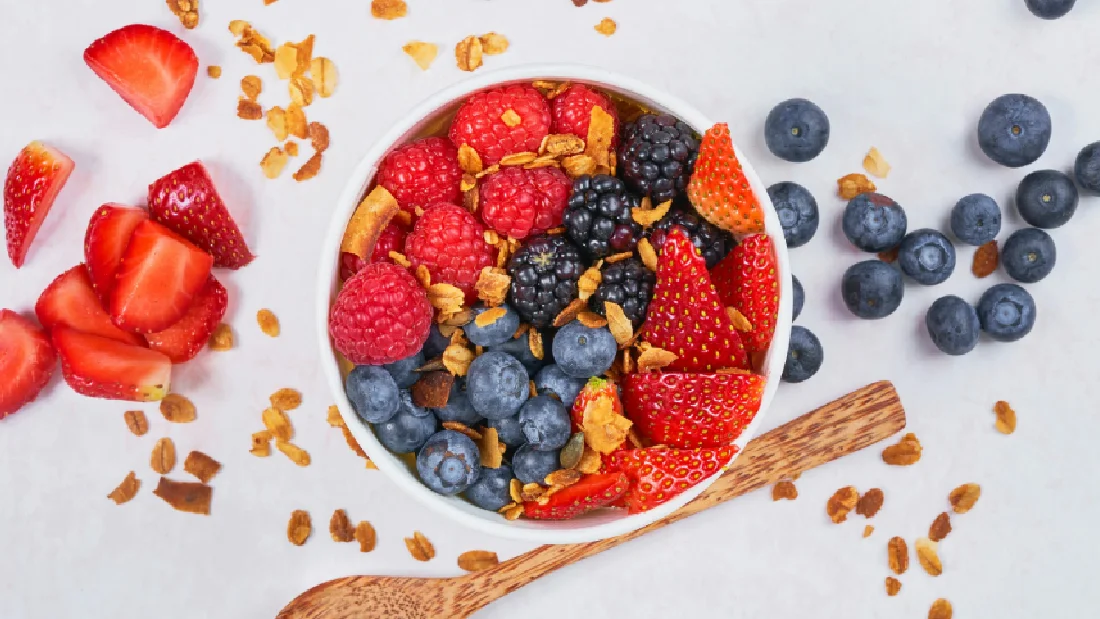
Nothing says summer like a bowl of strawberries with a drizzle of soya cream. Add raspberries, blueberries and blackberries to the mix and reap the benefits of their powerful antioxidants. Berries are bursting with vitamins, minerals and phytochemicals that have anti-cancer and anti-inflammatory properties, and are great for your digestive and cardiovascular system. Anthocyanins are responsible for the bright colours of berries and have been linked to lower risk of heart disease and even cancer. Whereas anthocyanins tend to be concentrated in the skin of fruits, berries that have a brightly coloured flesh are totally saturated with them. Add them to porridge or your favourite breakfast cereal, make a fruit salad or simply snack on them in the afternoon with a small handful of nuts.
Find out more about berries here.
2. Beetroot
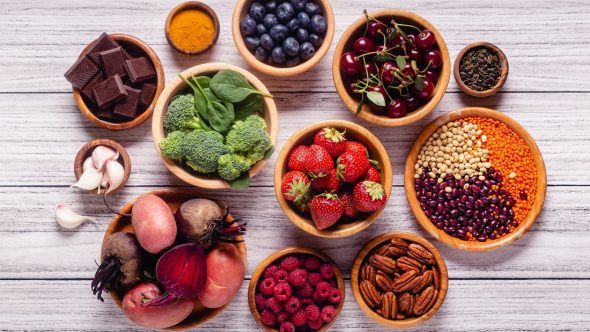
Of the root vegetables, you can’t get much better than beetroot. One cooked beetroot gives a good dose of vitamin B9 and boron, and small amounts of iron, magnesium, manganese, potassium and zinc. These vitamins and minerals are important for sex hormone formation and balance, healthy bones, and for a healthy immune system. Beetroot may also help lower blood pressure a little in people with high blood pressure. This root vegetable also contains betaine, a substance that has been found to support treatments for depression, and antioxidants called betalains, that promote cardiovascular health and have anti-inflammatory effects that may be helpful for people with osteoarthritis. Beetroot can be grated raw and added to salads, slaws and goes well with a burger. It can be cooked to make the traditional beet soup Borscht or roasted and served as a side veg or in a tray bake. It also adds moisture to chocolate cake, brownies and muffins without adding an earthy beet flavour.
Find out more about beetroot here.
3. Cucumbers
Cucumbers are great in the summer as their high water content provides hydration on hot days. But there’s more to a cucumber than just water. A quarter of an unpeeled cucumber provides over 10 per cent of your recommended daily vitamin K intake and cucumbers contain a surprising amount of antioxidants – including flavonoids, lignans and triterpenes – that have anti-inflammatory and anti-cancer properties, and protect your cells from everyday damage and help to keep you healthy. Cut them into sticks to dip in hummus, guacamole and other dips, add them to salads, wraps and sandwiches or use them to make the Greek creamy dip tzatziki or blend them in a delicious cold soup – gazpacho.
Find out more about cucumbers here.
4. New potatoes
In a world that tends to pick on carbohydrates and confuse refined, simple carbs with starchy, complex ones, the humble potato often gets a bad rap. But potatoes in their unprocessed form have many health benefits. They contain several micronutrients such as vitamin C and potassium as well as fibre, protein and phytochemicals. Potatoes are a particularly good source of leucine – an important amino acid for building muscle. Because new potatoes are harvested earlier than regular potatoes, they also contain more resistant starch, which is great for our gut microbiome. Lightly steam and serve as a main veg or in a potato salad – try different dressings instead of mayo (eg rapeseed oil, sliced cornichons and capers with dill and chives – delicious!). You can also add new pots to curries and stews but they really shine served simply with a dot of olive oil, fresh herbs and freshly ground black pepper.
Find out more about potatoes here.
5. Broad beans
The brilliance of beans should never be underestimated! Broad beans (also known as fava beans) are packed with protein, fibre and essential micronutrients including folate, iron and manganese. The benefits of broad beans include supporting heart health and blood pressure, aiding digestion, supporting the immune system and helping with weight management. They also contain a natural compound called L-Dopa that may boost your mood and help with the symptoms of Parkinson’s disease. Broad beans also contain antioxidants that help reduce inflammation and help protect your body against chronic disease. They can be lightly steamed and served as a side dish, added to salads or blended to make a delicious dip – an alternative to hummus. While falafel is typically made with chickpeas across much of the Middle East, traditional versions in Egypt and Sudan are usually made with dried fava (broad) beans. A great way to use fresh ones is to lightly steam them, peel them then toss them into a vegan paella just before serving – they look like bright little green gems!
Find out more about broad beans here.
6. Watermelon
Although they originated in Africa, watermelons can be grown in the UK under the right conditions and make an ideal thirst-quenching summer snack. Watermelon is over 90 per cent water so, like cucumbers, it’s a helpful hydrator. It is also rich in beta-carotene, which our body converts to vitamin A to maintain eye and skin health, and vitamin C, which is vital for maintaining our immune system. Watermelon is a good source of an amino acid called citrulline, which is beneficial to cardiovascular health, and an antioxidant called lycopene that has been shown to reduce inflammation and “alleviate metabolic diseases that affect the bone, eye, kidney, liver, lungs, heart, and nervous system.” The simplest way to eat watermelon is in chunky slices – great at a summer party or camping trip! You can also use it in salads, it’s pairs well with cucumber, mint and vegan feta. For an easy granita-style dessert, freeze chunks and pulse in batches in a food processer – sprinkle with lime juice and decorate with mint leaves.
7. Tomatoes
No summer salad is complete without some juicy tomatoes! Even though they are mostly water, one medium tomato provides a quarter of your recommended daily intake of vitamin C, a fifth of your vitamin A (as beta-carotene), 12 per cent of vitamin K and eight per cent of potassium. It also contains some insoluble fibre to support your gut health. Like watermelons, the main tomato superpower lies in its lycopene – a red pigment that is a strong antioxidant that has been linked to many health benefits, including reducing the risk of heart disease and cancer. Unlike most nutrients, lycopene is generally better absorbed from cooked tomatoes than raw ones. Whatever your preferred tomato, they don’t vary significantly in their nutrient content so take your pick! There are almost endless ways to enjoy tomatoes: fresh in salads, wraps and sandwiches; roasted or grilled (think a full English fry-up); or cooked into soups, pasta dishes, stews, curries and chilli. For a summer holiday feel, blend them with cucumber and peppers into gazpacho (cold soup), or serve chopped on garlic-rubbed toast as bruschetta. Sun-dried tomatoes are also an easy way to add a burst of flavour to many dishes.
Find out more about tomatoes here.
Eating your way through summer’s platter of plant-based wholefoods is a delicious way to support your health and satisfy your taste buds. Packed with the power of hydration, essential minerals and vitamins, and disease-fighting antioxidants, these seven seasonal superheroes do everything from boosting gut health to protecting your heart. Just don’t forget the sunscreen as even the most potent antioxidants have their limits!

About the author
Nicholas Hallows
Nicholas has been vegan since the early 2000s and worked for Viva! between 2017 and 2020 as a Senior Administrator and Web Content Assistant. He is a qualified teacher, specialising in Language and Literacy, and an accredited Proofreader and Editor. He is now a freelance writer covering topics including veganism, mindfulness and minimalism.