Smart, savvy and plant-powered – vegan on a budget
Science is on our side – vegan diets are the healthiest! However, in recent years, they have undergone a makeover, leaving behind their wholemeal and lentils persona taking on a more contemporary, oat latte and vegan sausage roll look! Consequently, the cost, as well as the health benefits, have taken a hit.
Having spent many of my younger years living on a limited income, I still eat relatively cheaply and can hear a supermarket price gun stamping out ‘reduced’ labels at 100 metres! Here are some of my ideas on how to ensure you are getting all you need from a healthy vegan diet without breaking the bank.
It’s cheaper to be a healthy vegan
If you want to eat brand-named, packaged mock meats and artisan vegan cheeses every day, then you will need relatively deep pockets. But to eat a varied, healthy vegan diet, there are many ways to cut costs – and your weekly food bill is likely to be lower than that of the average meat- and dairy-eater. Oxford University research shows that in countries such as the US, UK, Australia and across Western Europe, vegan diets are the most affordable and can reduce food costs by up to a third.
Shop around
First, think about how much time you have to shop around and then pick your options accordingly. If you have time to split your shopping across several outlets, you’ll very likely make savings.
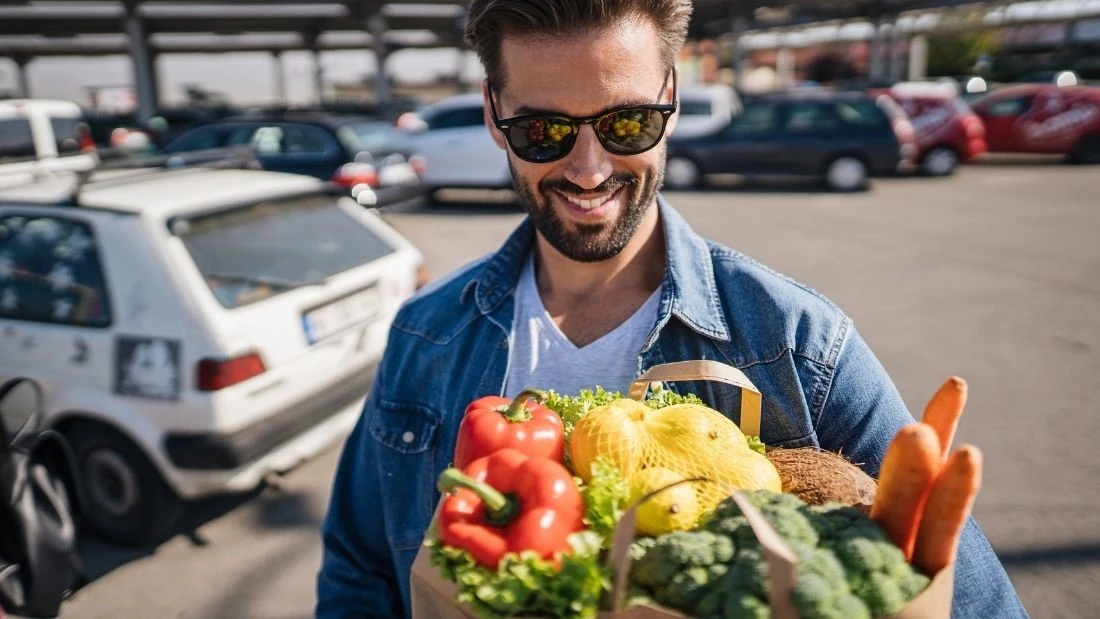
The cost of fruit and vegetables can be substantially lower in local high street greengrocers compared to supermarkets and the quality is often higher. The shop I go to has a ‘bargain corner’ where you might find a big bag of tomatoes for 99p or a whole tray of portobello mushroom for £2!
If baking your own bread is a step too far, your local baker should have a wide range of good quality wholemeal and sourdough breads that can be frozen to last the week – you can split a loaf and freeze half to avoid throwing mouldy or stale bread away.
Use cheaper protein sources
Lentils, chickpeas, black beans and tofu are great affordable protein options compared to vegan mock meats. Dried beans and pulses are even cheaper than canned but you must soak them overnight before cooking. Lentils tend not to need pre-soaking and cooked brown lentils, for example, work really well in a bolognaise or shepherd’s pie and cost less than packaged vegan mince. Asian supermarkets tend to stock foods such as tofu and tempeh at a much lower cost than mainstream supermarkets and often in much larger portions.
Choose supermarket brands
For your staples, choose supermarket-branded items, which are usually much cheaper. Some branded foods, such as soya milk, are made by the same manufacturers as supermarket own-brand versions – the only difference being packaging and price. ‘Accidentally vegan’ items, such as ready-made pastry and breakfast cereals, usually cost less than foods specifically marked ‘free-from’ or ‘vegan’. You might have to spend a little time searching these out, but once you find your favourites, it will be a lot quicker to pick them up in future.
While some people prefer to stick rigidly to shopping lists, having already worked out the week’s menu, if you go ‘off piste’ and buy special offers that look good, you can get creative and come up with some exciting new dishes that will broaden your culinary repertoire and keep your gut bacteria, that crave variety, happy! Viva!’s Vegan Recipe Club can help you with this as you can search through our giant bank of recipes for ones that contain specific ingredients, such as aubergine, red cabbage or chickpeas, for example. We also have a bespoke selection of budget recipes that can be found here.
If you are able to access more than one supermarket, either online or in person, it really pays to shop around. Take advantage of supermarket loyalty schemes and use their apps or websites to check for coupons and deals before shopping. You might find some items cost half the usual price in one shop while others are cheaper elsewhere. Bulk buying a few staples, such as cans of beans, pasta, oats, peanut butter, olive oil etc when they’re on offer can save quite a bit of money over the month.
Batch cook and use leftovers
Once you have your special offers and are thinking about what to cook, consider batch cooking to save time and money. This can also help reduce food waste and lower your utility bills as you will only have to heat up pre-made frozen meals. Examples of meals that can be made ahead of time include curries, chilli, bolognaise, soups and stews. When I get a big bag of tomatoes, for example, I batch cook passata and freeze it for in the week to add to spag bol, chilli, stew or pasta dishes such as arrabbiata – sounds fancy but it’s cheap, cheerful and packed with flavour! If I pick up a cheap aubergine or two, I’ll cook double amounts of ratatouille (I think the frozen one tastes better!).
Other tips that can save you money include repurposing leftovers creatively – use leftover vegetables in soup, add pasta or tinned beans to leftover soup to bulk it up and fry leftover cooked potatoes (roast, boiled or mash) with some chopped kale, cabbage or other green veg to make bubble and squeak – a classic dish for repurposing leftovers!
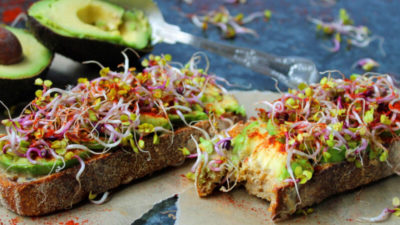
Prepare your own snacks and desserts such as flapjacks or muffins instead of buying them and in the spring, plant herbs and even a few salad leaves in pots in the garden. One supermarket basil plant split into a bigger pot can keep you in fresh basil all summer. Throughout the year, you can grow sprouts and microgreens indoors which means you’ll have a sprinkle of fresh salad sprouts on hand for just a few pennies.
By focusing on whole plant foods, shopping smartly across multiple outlets, making use of bargains, batch cooking and preparing simple snacks at home, anyone can enjoy a varied and nourishing vegan diet on a budget. This approach disproves the myth that veganism is expensive, showing instead that it can be an accessible and sustainable choice for both personal health and the planet.
Check out Vegan Recipe Club’s budget recipes here and see our new V7 Budget Bangers Meal Plan!

About the author
Dr. Justine Butler
Justine joined Viva! in 2005 after graduating from Bristol University with a PhD in molecular biology. After working as a campaigner, then researcher and writer, she is now Viva!’s head of research and her work focuses on animals, the environment and health. Justine’s scientific training helps her research and write both in-depth scientific reports, such as White Lies and the Meat Report, as well as easy-to-read factsheets and myth-busting articles for consumer magazines and updates on the latest research. Justine also recently wrote the Vegan for the Planet guide for Viva!’s Vegan Now campaign.
View author page | View staff profile