Four pros and cons of lab-grown meat
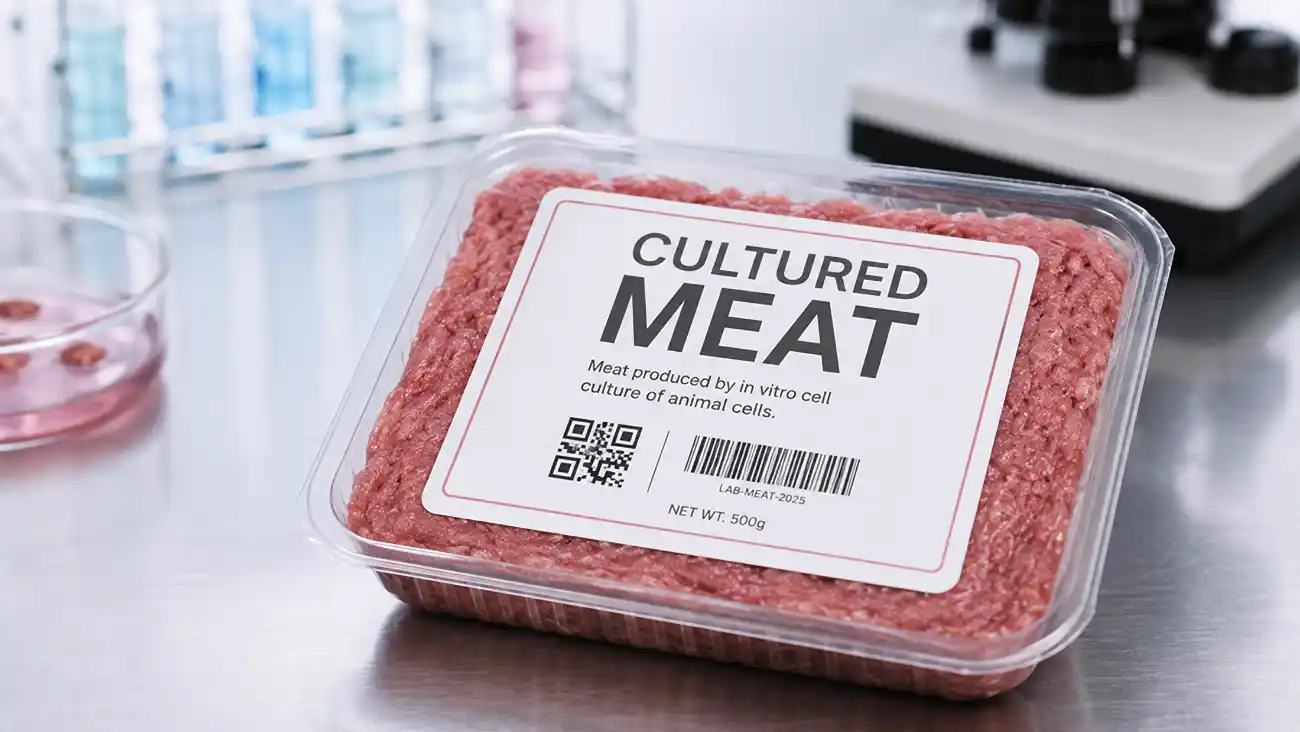
Last month, another cultured meat company got the green light to launch in Singapore. Aleph Farms follows hot on the heels of Eat Just, the first company selling lab-grown chicken in the Southeast Asian city-state back in 2020. Back then Singapore was the only country allowing the sale of cultured meat but it is now allowed in the United States, Israel and Australia, and the UK looks set to follow. With that in mind, here are four pros and cons to consider before taking that first bite.
The pros
1. The potential to dramatically decrease animal suffering
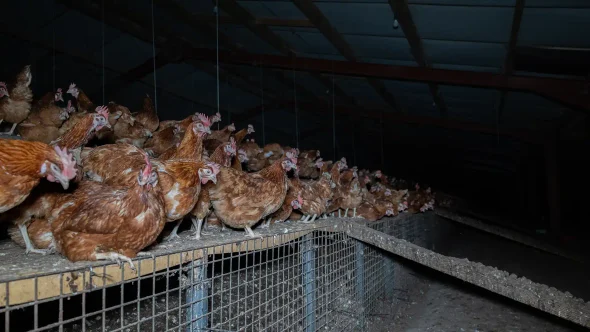
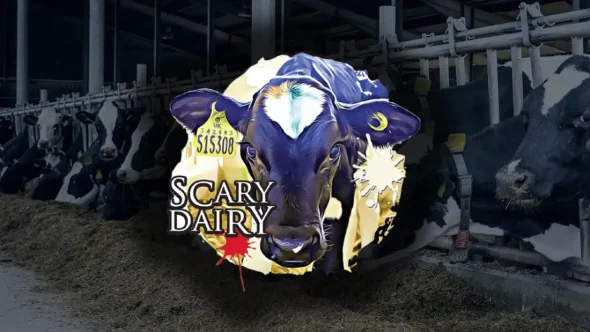
To many vegans, the most obvious pro of lab-grown meat will be its ability to reduce animal suffering. Even though the process may not be entirely animal-free (see cons), if cultured meat was to become widely available, it could dramatically decrease the number of animals crammed into cruel factory farms. Currently, 90 per cent of farmed animals are confined to factory farms and the planet’s appetite for meat is growing. Over 30 billion land animals are being farmed at any one time – a number too big to even comprehend. The worldwide adoption of lab-grown meat would go a long way to lessen the harm being caused to billions of animals.
2. May reduce global health threats
Factory farms are a breeding ground for zoonotic diseases, antibiotic-resistant superbugs, and foodborne illnesses. Animals kept in horrific conditions are more susceptible to disease due to the extreme stress they experience from their cramped and inhumane surroundings. Many scientists warn that the next pandemic could come from a factory farm. Antibiotics are overused as a preventative measure, and the filth on factory farms can contaminate meat and nearby crops leading to food poisoning outbreaks. As Dr Michael Greger states in an article for the American Journal of Lifestyle Medicine, “factory farms are a public health menace”. While so-called ‘Frankenstein meat’ might give some people the yuck-factor, it is infinitely cleaner and safer than traditional farming methods. The sooner factory farms are a thing of the past, the better.
3. Could improve food security
Over 25 per cent of the world’s population (over two billion people) are experiencing food insecurity, meaning they don’t have access to enough nutritious food. Lab-grown meat could help this problem in at least two ways. Firstly, because it can be produced in bioreactors close to population centres, getting enough protein would not be reliant on a region’s ability to import food, farm animals or grow crops. Cultured meat would allow localised production so that global factors, such as wars, political instability and climate change, may not have as dire an impact on a population’s ability to eat. Secondly, traditional animal farming is hugely inefficient – especially in terms of land use. By switching our primary farming method from traditional animal farming to lab-grown meat, the land once used to grow animal feed could be used to grow crops for the increasing population, improving how we use the world’s limited resources.
4. Positive impact on climate change and the environment
The United Nations’ ground-breaking report, Livestock’s Long Shadow, surprised some people when it revealed that livestock farming is responsible for more greenhouse gas emissions than all the world’s transport combined. We also know that animal agriculture is responsible for deforestation, desertification, air pollution, water pollution… the list goes on. With a growing population, demanding more meat, we need to find a more sustainable solution. Thankfully, lab-grown meat could be the solution. Some sources estimate that “cultured meat has the potential to generate 78-96 per cent lower greenhouse gas emissions, use 99 per cent less land, and require 82-96 per cent less water compared to traditional livestock farming.” It has been noted that lab-grown meat “has the potential to have a lower environmental impact,” but that it is energy-intensive so it’s important that renewable energy is harnessed in its production.
The cons
1. Animal cells are used
When Viva! visited Mosa Meat’s lab in 2018, we learnt that the cultured meat process began by taking a sample of muscle cells the size of a peppercorn that had been extracted from a cow under anaesthesia by a vet. So, clearly lab-grown meat is not vegan, but vegans are not the target market. Furthermore, back then, the growth medium used to grow these cells contained animal-derived proteins. However, in 2019, they developed a medium containing no animal ingredients and in 2020 it was confirmed that cultured meat start-up Aleph Farms was not using “any component obtained from animals” to grow cells. In fact, Aleph Farms are planning to launch their cultured beef steaks in Singapore in 2027. So, while cultured meat companies must still use animal cells to start the process, many no longer use animal-derived products to feed and grow them.
2. Reinforces the notion that eating meat is necessary
Perhaps a philosophical objection to lab-grown meat is the fact that it reinforces the idea that meat is a necessary part of the diet and that, until lab-grown meat is widely available, people should just continue eating animals. We know that a well-planned vegan diet is healthy so why waste time waiting for cultured meat to be widely and readily available when we already have an alternative? Well, the truth is a lot of people enjoy eating meat and as the world’s population increases, so does its appetite for animal products. By developing lab-grown meat, we can meet people where they are, rather than where we want them to be. Lab-grown meat may not eliminate speciesism, but if the planet’s appetite for meat can be satiated with considerably less animal suffering and a huge reduction in the environmental and global health threats associated with factory farming, surely that’s something to strive for.
3. May still have the health risks associated with eating meat
There are many negative health outcomes associated with eating meat. These include increased cholesterol levels, blood pressure, risk of heart disease and stroke due to the harmful saturated fats, animal protein and haem iron in meat. Meat consumption also increases your risk of type 2 diabetes by up to 74 per cent, and has been linked to many types of cancer. It’s probably too soon to say whether or not lab-grown meat will carry the same risks but if its composition is identical to meat from animals, it seems likely. Manufacturers may be able modify the fat and nutrient content of cultured meat but only time will tell. For those already following a plant-based diet, adding lab-grown meat to the plate would probably not be a great idea. However, for those with animal welfare and environmental concerns but who have struggled to make the switch, it could be a game changer. If lab-grown meat is to be a net positive for human health, it must also be adopted as part of a greater shift towards plant-centric eating rather than an excuse to eat as much meat as one may want.
4. May be more expensive and harder to access than farmed meat at the beginning
For lab-grown meat to be a viable alternative to farmed animal flesh, it has to be equally as accessible and affordable for the general public. One survey found that “acceptance could increase by 27 per cent and 55 per cent if prices matched or fell below those of conventional meat”. At the moment that is not the case; it is hard to come by and expensive. However, the cost to produce cultivated meat is already falling and a French producer, Gourmey, says they have reduced the cost to £6 per kilogram. Other sources say that by 2030, cultivated meat will be competitive with some farmed animal meat. When the primary factor motivating shopping habits is price, lab-grown meat has to offer value-for-money to stand a chance against cheap, factory farmed options.
Whether or not lab-grown meat appeals to you is going to depend where you are in your food journey. If you’re already vegan you might not be interested in it yourself but you might be curious about what it can do to reduce animal suffering. If you’re a meat-eater who worries about the harm caused to the animals and planet then lab-grown meat could be exactly what you’re looking for. Whatever your stance, there is no doubt that a shift away from intense animal agriculture will benefit humans, the animals and the planet.

About the author
Nicholas Hallows
Nicholas has been vegan since the early 2000s and worked for Viva! between 2017 and 2020 as a Senior Administrator and Web Content Assistant. He is a qualified teacher, specialising in Language and Literacy, and an accredited Proofreader and Editor. He is now a freelance writer covering topics including veganism, mindfulness and minimalism.