

8 foods to fight inflammation
Inflammation is part of our body’s natural response when we are ill or injured. It serves as an acute, rapid response that arises and then fades away when we have healed. However, many people suffer from long-term, low-grade inflammation caused by many factors including stress, pollution, sedentary lifestyles and unhealthy diets. Over a long enough period, chronic inflammation can lead to, or worsen, many diseases such as heart disease, inflammatory bowel disease, and rheumatological disorders, such as arthritis. Of the many factors influencing inflammation, our diet is one we can exert some control over. With that in mind, here are eight foods we can eat to help extinguish inflammation.
1. Extra virgin olive oil
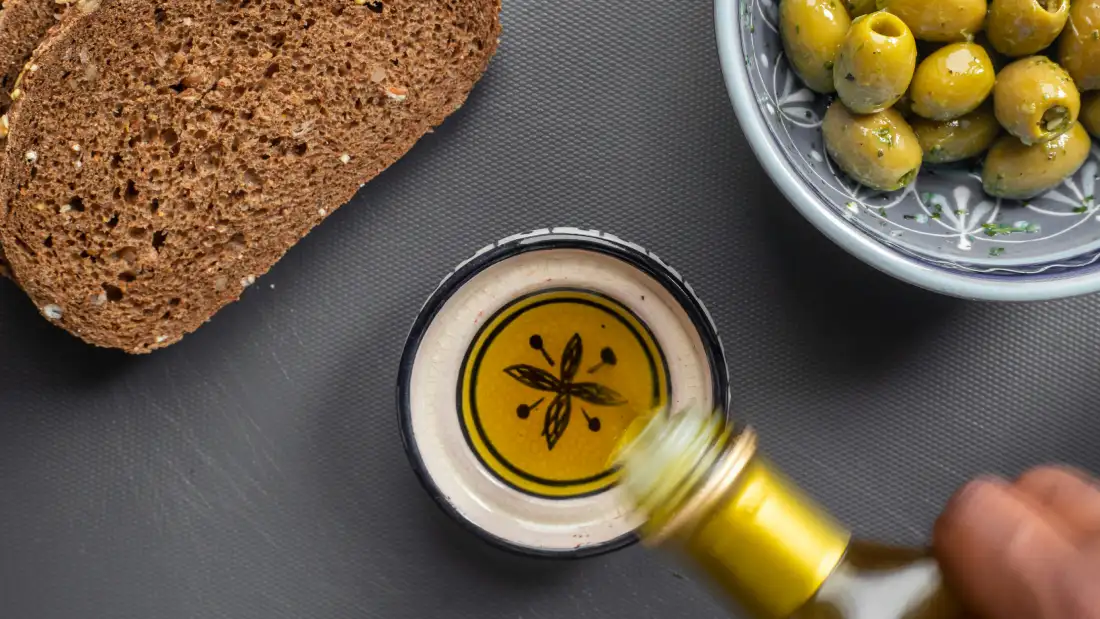
Olive oil is a hallmark of the much-touted Mediterranean diet and plays a significant role in the health benefits of this plant-centric approach. Olive oil contains a phenolic compound called oleocanthal that has been linked to anti-inflammatory and antioxidant activity. Olive oil also contains oleic acid which has been shown to reduce C-reactive protein (CRP) – an indicator of inflammation.
But what kind of olive oil should you buy? A 2023 randomised, controlled crossover study compared the anti-inflammatory effects of extra virgin olive oil (EVOO) to common olive oil. The researchers found that EVOO decreased an inflammatory marker called interferon-γ and increased the antioxidant status of the study participants. They also found that the participants consuming EVOO lost weight and improved their BMI and blood glucose levels compared to those consuming common olive oil (it’s important to note that participants swapped their usual oil to olive oil, they didn’t add extra oil to their diet). It’s therefore worth splurging on extra virgin olive oil to reap the science-backed benefits.
2. Berries
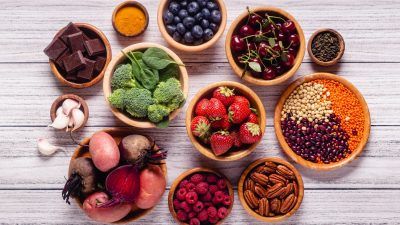
Berries are a brilliant source of anthocyanins – the compound responsible for giving vibrant fruits and vegetables their red, blue and purple colours. Anthocyanins have antioxidant and anti-inflammatory properties and can therefore help reduce the risk of many diseases. A 2021 systematic review and meta-analysis of 44 randomised controlled trials and 15 prospective cohort studies found that eating anthocyanin-rich berries could significantly lower C-reactive protein (an indicator of inflammation), as well as lowering the risk of heart disease. Other sources of anthocyanins include cherries, red grapes, black currants and purple sweet potatoes. Eating the rainbow is still sound advice!
3. Green tea
Green tea is a great source of catechins – a phytochemical with antioxidant and anti-inflammatory properties. A 2024 systematic review and meta-analysis evaluating the impact of green tea on markers of inflammation found that it significantly lowered tumour necrosis factor-α (TNF-α) levels. TNF-α is produced by the immune system and although it plays a part in disease prevention, chronically high levels are associated with diseases including arthritis, inflammatory bowel disease and some cancers. Let’s not also forget that inflammation and stress often go hand-in-hand so taking a few minutes to relax with a cuppa could be medicine in itself. Get even more catechins by enjoying a square or two of dark chocolate with your green tea.
4. Foods rich in omega-3 fats
Omega-3 fats have been known for their anti-inflammatory properties for some time now. In particular, the two long-chain omega-3 fats – eicosapentaenoic acid (EPA) and docosahexaenoic acid (DHA) – have been shown to reduce proinflammatory cytokine release and have an anti-inflammatory effect. A 2024 narrative review concluded that “EPA and DHA have positive modulatory and anti-inflammatory effects,” including benefits to body weight and insulin sensitivity, heart health and non-alcoholic fatty liver disease.
Vegans and vegetarians can obtain their omega-3 fats, in the form of alpha-linolenic acid (ALA), directly from plant-based sources including flaxseed, hemp seed, walnuts and rapeseed oil. Make sure you eat plenty of ALA-rich foods as, although our body can convert the short-chain ALA into EPA and DHA, the conversion rate may be low. Vegan friendly algae-derived EPA and DHA supplements are also available.
5. Nuts and seeds
Nuts and seeds appear on almost every list of healthy foods and this time it’s because of compounds called tocopherols – or what most of us know as vitamin E. A 2024 study showed that tocopherol effectively mitigated inflammation. A handful of studies have looked specifically at almonds; one found that “almond consumption beneficially affects CRP and IL-6 [interleukin-6: another indicator of inflammation] concentrations in adults” and a 2025 systematic review and meta-analysis supported these findings. Chia seeds contain tocopherol as well as omega-3 fats and a 2024 systematic review and meta-analysis concluded that they can “significantly decrease” inflammation.
6. Pulses
Pulses, such as lentils, chickpeas and kidney beans, are healthy for many reasons, and one of those is their ability to lower inflammation. A 2015 randomised cross-over clinical trial had participants follow two different intervention diets for eight weeks. One group followed a pulse-free diet while the other group replaced two servings of red meat with pulses for three days a week. After the first eight weeks, the randomised groups had a four-week reset period before following the alternative diet for another eight weeks. The researchers found that the pulse intervention “significantly decreased” all markers of inflammation. In support of this, a 2021 systematic review found that most of the research done in the last 20 years reports pulses as having a positive effect on inflammation.
7. Gut-friendly foods
Our gut plays a major role in the health of our whole body and is especially important in the effective functioning of our immune system. Therefore, to take care of inflammation we also have to take care of our gut microbiome by providing it with both probiotic and prebiotic foods. Fermented, probiotic foods, such as probiotic yoghurt and kefir (vegan versions are available) contain ‘friendly’ bacteria which have been shown to reduce inflammation. Other fermented foods, such as kimchi, sauerkraut and tempeh, may also be an effective weapon against inflammation.
To maintain a healthy gut microbiome, we also need to feed it with prebiotic foods containing non-digestible fibre and resistant starches. Pulses, as mentioned above, are one great option as are wholegrains, which have been shown to reduce systemic inflammation in a 2018 meta-analysis, along with fibre-rich vegetables such as onions, garlic and leeks and fruits such as bananas and berries.
8. Turmeric
Turmeric contains a compound called curcumin which is responsible for the spice’s superpowers as an antioxidant and anti-inflammatory food. A 2021 meta-analysis looked at the evidence from 32 different randomised controlled trials and concluded that curcumin could be effective at reducing many markers of inflammation. Two years later, another meta-analysis also found that “turmeric/curcumin supplementation significantly reduces levels of inflammatory markers”. Other reviews have found turmeric to be part of an effective strategy to treat inflammatory diseases such as osteoarthritis and inflammatory bowel disease. If you’re consuming turmeric for its health benefits, make sure you add some black pepper to increase absorption of the curcumin.
While many aspects of modern life can sometimes feel out of our control, what we put on our plate remains a powerful path to empowerment. Many of us might suffer from chronic inflammation without even knowing it but by incorporating these vibrant, science-backed foods into your diet, you can take more control of your well-being. Every small addition – be it a drizzle of olive oil, a pinch of turmeric or a handful of berries – is a deliberate act of self-advocacy that douses the fire of inflammation.

About the author
Nicholas Hallows
Nicholas has been vegan since the early 2000s and worked for Viva! between 2017 and 2020 as a Senior Administrator and Web Content Assistant. He is a qualified teacher, specialising in Language and Literacy, and an accredited Proofreader and Editor. He is now a freelance writer covering topics including veganism, mindfulness and minimalism.