5 ways intensive agriculture harms everyone’s health
The direct harm eating certain animal products does to our health, including increased risk of heart disease, type 2 diabetes and cancer is now well established. The detrimental health effects of consuming meat and dairy are why many health-conscious people choose to go vegan. But even if we adopt a plant-based diet, our health – both on an individual level and a population level – is not safe while intensive agriculture persists. Here are five ways factory farming harms our health even if meat and dairy never pass our lips.
1. Air pollution
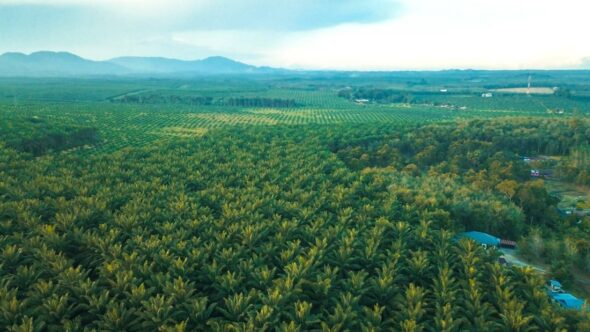
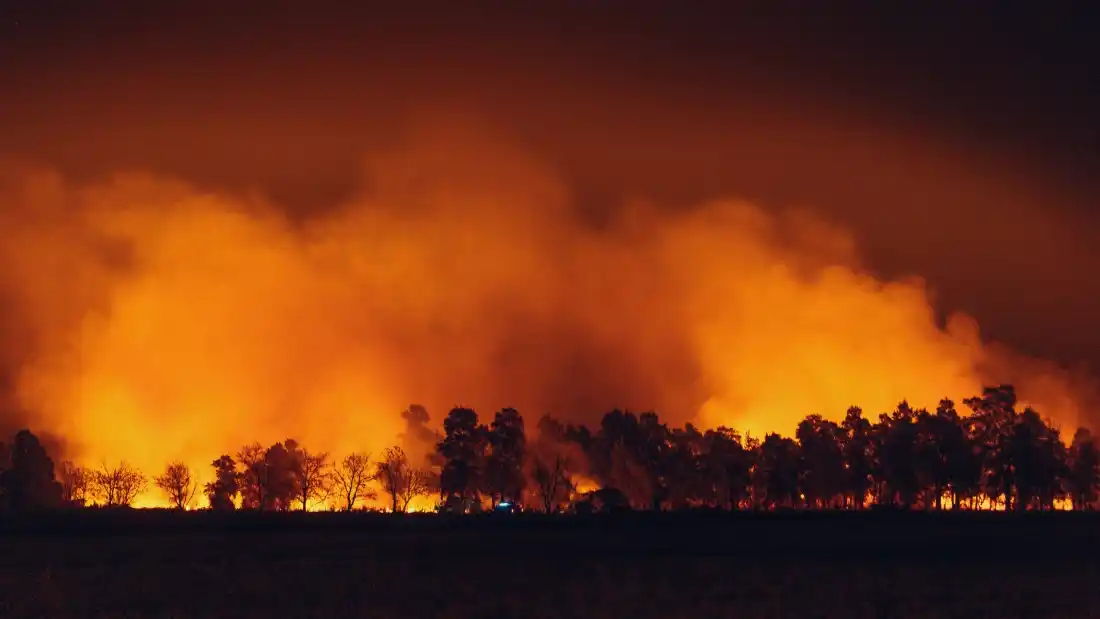
According to the World Health Organisation (WHO), 99 per cent of the world’s population are breathing poor quality air, and air pollution is associated with seven million premature deaths annually. Agriculture is a main contributor to air pollution. In some parts of the world, such as Southeast Asia, the burning of forests and carbon-rich peatland to clear the land for palm oil plantations leads to significant air pollution known as the ‘haze’, which can be seen at a regional and even a global level. The 2015 Southeast Asian haze was particularly potent and devastating and in September 2026 a state of emergency was declared in parts of Malaysia due to air pollution caused by forest and peatland fires in Indonesia.
In the UK, agriculture is the main source of nitrogen-containing compounds, such as ammonia, which enter the air as gas from heavily fertilised fields and livestock waste. In 2024, agriculture accounted for around 89 per cent of UK ammonia emissions. When these nitrogen compounds combine with other pollutants, they form tiny, solid particles (PM2.5) small enough to invade even the smallest airways. These can stick in our fine lung tissue, causing breathing difficulties, damaging our heart and lungs, and can cause premature death. Public Health England said in 2019 that air pollution is the biggest environmental threat to health in the UK and there is strong evidence that air pollution causes the development of coronary heart disease, stroke, respiratory disease and lung cancer and exacerbates asthma.
2. Water and soil contamination
In a 2026 report, the UK Government said that “agriculture is one of the largest sources of water pollution in England” and an independent commission found that “agriculture is on average the most significant sector adversely affecting 40 per cent of the water bodies in England.” Fertilisers, chemicals including pesticides and medicines, faecal bacteria and pathogens, and microplastics all find their way from farm to waterways.
Even in a country such as the UK, that has some of the safest tap water in the world, water pollution can pose a serious health risk. Obviously, those who eat fish risk consuming animals contaminated with a vast number of chemicals, heavy metals and microplastics. People who enjoy swimming, surfing or kayaking (and other water-based activities) risk picking up bacteria and viruses, and coming into direct contact with chemical and nutrient runoff. Even if you never dip your toe in the water, chemicals and heavy metals can contaminate the soil and water table, where they are absorbed by plant roots and find their way into the food we eat. For example, cadmium and arsenic “have relatively high solubility and mobility in soil, high transport capacity in plants, and are toxic to humans and animals at low levels, such as renal failure and lung and skin cancers.”
3. Antibiotic resistance
The overuse of antibiotics in intensively-farmed animals has led to the emergence of antibiotic-resistant bacteria or ‘superbugs’ that can spread to humans and make infections resistant to treatment. WHO says that antimicrobial resistance (AMR) is one of the main threats to modern medicine, with growing numbers of infections – such as pneumonia, tuberculosis, gonorrhoea and salmonellosis – becoming harder to treat.
In the UK, routine farm antibiotic use has been significantly reduced in recent years but according to the 2024 UK Veterinary Antibiotic Resistance and Sales Surveillance (VARSS) Report, 53 per cent of antibiotics used in farmed animals were added to water and 27 per cent were added to feed (18 per cent were injected). So, in the UK, around 80 per cent of farm antibiotics were sold as products that can be delivered to groups via water or feed rather than as individual injections – suggesting routine prophylaxis (preventative action) rather than therapeutic treatment. The report also notes a continuing shift from in‑feed towards in‑water products, while overall sales have broadly plateaued since 2023. Because of the heavy-handed use of antibiotics on factory farms, we all face the worrying health threats associated with AMR such as fewer treatment options for infections and a higher risk of complications of surgeries and an increased risk of dying – even from small infections that may have been easier to treat in the past.
4. Zoonotic diseases
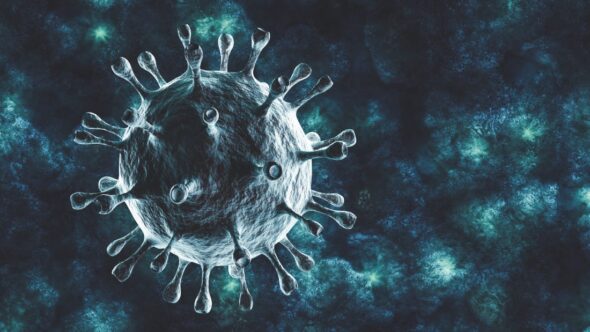
Before 2020, not many of us had heard of zoonotic diseases but after the Covid-19 pandemic the term became part of our daily lexicon. But in case you weren’t paying attention, a zoonotic disease is a disease – caused by viruses, bacteria, parasites or fungi – that is able to jump from animals to humans.
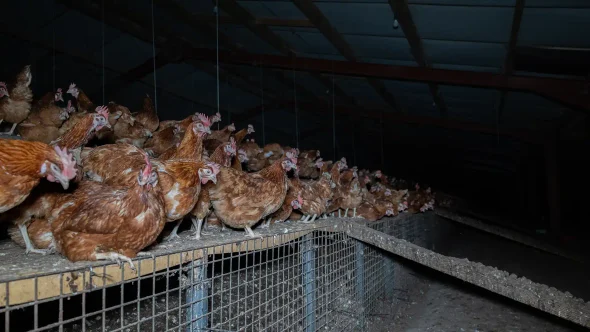
The expansion of animal agriculture into natural habitats plays a major role as diseases from wild animals can spread to livestock and then intensive poultry farms and pig farms provide the ideal environment for emerging viruses to take hold, mutate and spread. In fact, scientists consider pigs to be ideal ‘mixing vessels’ for the development of new viruses because they are susceptible to flu viruses from pigs, humans and birds. The 2009 swine flu pandemic was caused by an H1N1 virus that began in Mexico and spread rapidly across the world. It contained elements of viruses from humans, birds, North American pigs and Eurasian pigs. The mixing of live pigs through international trade is thought to have created the opportunity for these viruses to mix. If you had flu in the last few years, there’s a chance it was caused by this virus. Unless our farming methods drastically change, it’s only a matter of time before the next pandemic is caused by a flu virus making the jump to humans from poultry or pigs being farmed for meat.
5. Climate crisis
The climate crisis isn’t some hypothetical future scenario. It is here now and affecting the day-to-day lives of people across the world. This year’s rising global temperatures and record-breaking heatwaves is just one example of how climate change has affected the UK and Europe. Although the climate crisis may not be solely responsible for the UK’s summer heatwaves or the fires across Spain and France, scientists agree that “global heating made hot, dry and windy weather at least 20 times more likely in Spain and twice as likely in France.” The June heatwave is estimated to be responsible for nearly 3,000 deaths in the UK and 20,000 across Europe. Rising temperatures also increase the risk of infectious and vector-borne diseases, according to the UK Health Security Agency. And what does this have to do with intensive agriculture? Well, the United Nations’ ground-breaking report, Livestock’s Long Shadow, revealed that livestock farming is responsible for more greenhouse gas emissions than all the world’s transport put together!
These five health threats show how our individual wellbeing and the wellbeing of the planet are inextricably linked and highlight the importance of overhauling our farming system to a more sustainable alternative. Around 85 per cent of farmed animals in the UK are raised in factory farms. If you want clean air, pure water, medicines that work against infections and would prefer to avoid another pandemic, it’s time to take a stand against factory farming and intensive agriculture and go vegan.

About the author
Nicholas Hallows
Nicholas has been vegan since the early 2000s and worked for Viva! between 2017 and 2020 as a Senior Administrator and Web Content Assistant. He is a qualified teacher, specialising in Language and Literacy, and an accredited Proofreader and Editor. He is now a freelance writer covering topics including veganism, mindfulness and minimalism.