

5 ways a healthy vegan diet can reduce risk of dementia
In 2022, dementia and Alzheimer’s disease became the leading cause of death in England and Wales the UK. One in 11 people in the UK over the age of 65 suffer from the disease. The thought of being diagnosed with a form of dementia can be one of the scariest things about growing older but the good news is, there is a lot we can do to stay sharp as we age.
Several factors increase the risk of dementia: genetics, obesity, diabetes, high cholesterol, high blood pressure and heart disease. We can’t change our genes, but we can reduce other risk factors with lifestyle and dietary changes.
There is now a growing body of evidence looking at diet and dementia:
- A 2020 review of 21 studies found that following a healthy diet was linked to a 55 per cent lower risk of Alzheimer’s
- The Finnish Cardiovascular Risk Factors, Aging and Dementia (CAIDE) study, found that healthy dietary changes in midlife were linked to a 59 per cent lower risk of dementia[JB1.1]
- This 2023 review of three prospective cohort studies including 18,136 participants and a meta-analysis including 224,049 participants, found those adhering most closely to the MIND diet – a diet focusing on plant-based foods, especially berries and green leafy vegetables with little, if any, animal-based or fatty foods – had a 17 per cent lower risk of dementia
With that in mind (pun intended), let’s look at five ways following a healthy vegan diet can reduce your risk of dementia and age-related cognitive decline.
1. A plant-based diet lowers the risk of obesity
According to UK statistics, 28 per cent of adults in England are obese and a further 36 per cent are overweight. Unfortunately, obesity in mid-life increases dementia risk, especially among those who store fat on their tummy. One long-term study, following 10,000 people, found that being obese in mid-life increases the risk by 74 per cent and being overweight increases it by 35 per cent. Vegans tend to weigh less than meat-eaters and the huge EPIC-Oxford study found that they also gain less weight as they age. A plant-based diet, with its high fibre content and lower calorie density, is an effective way to maintain a healthy weight and therefore reduce the risk of dementia.
2. A plant-based diet lowers the risk of diabetes
Diabetes increases the risk of heart disease and stroke, but also increases the risk of all types of dementia by 73 per cent and Alzheimer’s by 56 per cent, according to a meta-analysis of 28 studies. Ninety per cent of people in the UK with diabetes have type 2 and a vegan diet reduces the risk of that by up to 50 per cent and may even help reverse it. A healthy vegan diet is a powerful tool against type 2 diabetes due to its aforementioned ability to help us maintain a healthy weight, because it’s packed full of fibre and phytonutrients, and is low in saturated fat.
3. A plant-based diet lowers cholesterol, blood pressure and risk of chronic conditions
A 2021 study, looking at cholesterol and dementia in 1.8 million people over two decades, found that high cholesterol levels in midlife increase the risk of dementia more than a decade later. Again, vegans tend to have lower cholesterol levels. It’s the same story for blood pressure and heart disease. This is largely due to the lower amounts of saturated fat and absence of dietary cholesterol in a vegan diet. The more risk factors you have, the higher your dementia risk. The Whitehall II cohort study, following 10,095 British civil servants for 32 years, found having two or more chronic conditions was linked to a 2.4-fold higher risk of dementia. A vegan diet might not be the answer to every ailment under the sun, but it will go a long way in reducing your risk of some of the most serious chronic diseases.
4. Becoming vegan can improve your social life
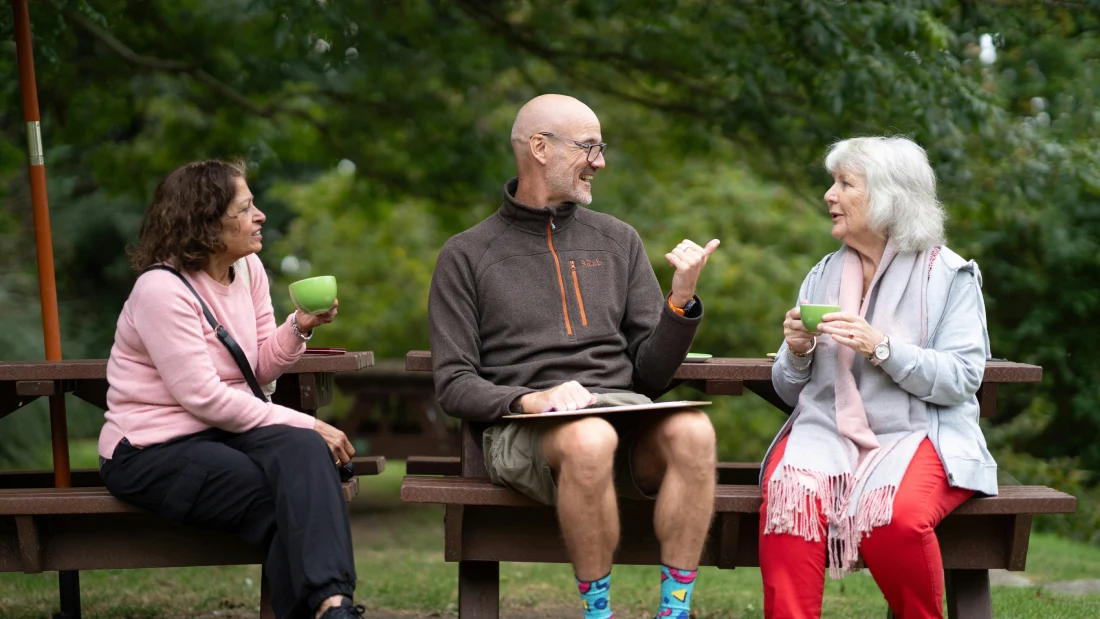
There is some evidence that those who feel more socially isolated and lonely are at greater risk of developing dementia. One recent study found that the onset of dementia was approximately five years earlier in the least socially active adults. So how does being vegan help? While some may fear that going vegan could ostracise them from their social groups, many find the opposite is true. Whatever your age, there are plenty of opportunities for vegans to socialise at vegan festivals, meetups, potlucks and events. Bonding with others over shared beliefs and values can be a powerful thing and veganism provides the perfect opportunity to form a strong and lasting social life with like-minded people. There is even some evidence that vegans experience greater life satisfaction than non-vegans.
5. Exercise complements a healthy diet
No healthy lifestyle is complete without exercise and physical activity may have a huge influence reducing your risk of developing dementia. A 2025 study suggests that regular moderate-to-vigorous exercise – starting at just 35 minutes a week – can significantly reduce your risk of dementia. Even though just five minutes of exercise a day can make a big difference, the researchers found that the more the participants exercised, the lower their risk of developing dementia. Compared with no exercise, 35 to 69.9 minutes of exercise a week was associated with a 60 per cent lower risk of dementia, 70 to 139.9 minutes with a 63 per cent lower risk, and 140 or more minutes with a 69 per cent lower risk. If you want to feed two birds with one scone, improve your social life and get some exercise by joining a local vegan group such as the vegan runners.
The science might seem complicated, but the takeaways are simple. If you want to reduce the risk of developing dementia, eat a healthy plant-based diet, invest in your social life, and get at least 35 minutes of moderate-to-vigorous exercise a week. Your future self will thank you!

About the author
Nicholas Hallows
Nicholas has been vegan since the early 2000s and worked for Viva! between 2017 and 2020 as a Senior Administrator and Web Content Assistant. He is a qualified teacher, specialising in Language and Literacy, and an accredited Proofreader and Editor. He is now a freelance writer covering topics including veganism, mindfulness and minimalism.