5 things you need to know about processed foods
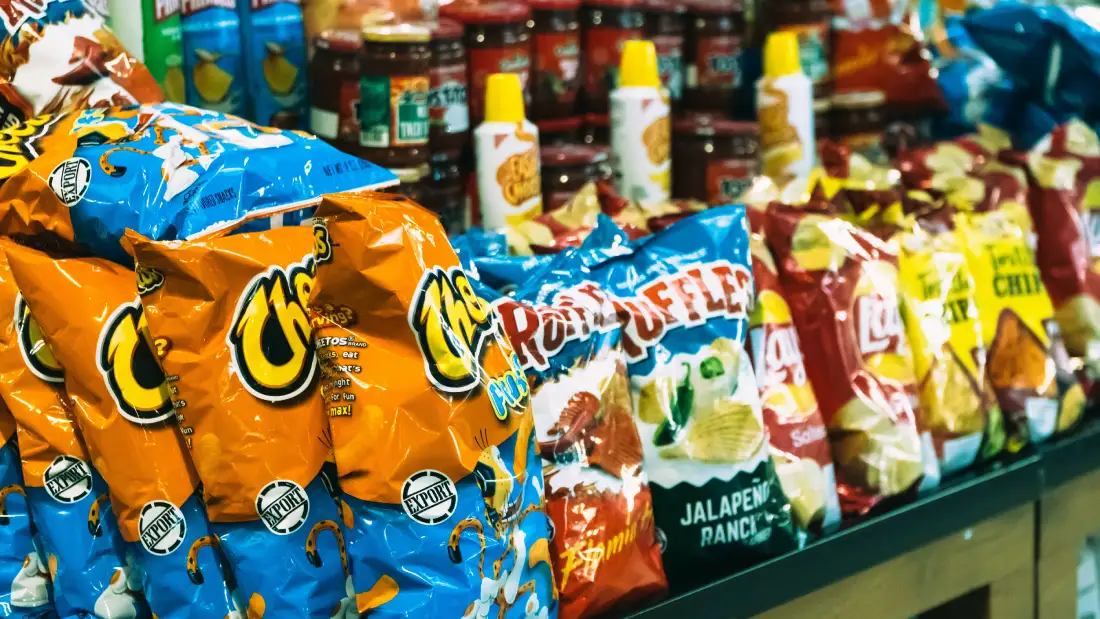
Processed foods now dominate supermarket shelves and it’s estimated that in developed countries, up to 60 per cent of our calories come from them. Therefore, it’s important we understand the nuances of processed foods. The category of processed food includes any food that has been altered from its natural state, whether by cooking, freezing, fermenting, fortifying or adding preservatives. Although the term ‘processed’ is often used negatively in the media, not all processing is bad or unhealthy and can even improve the nutritional value of some foods. By the end of this blog, you’ll know the difference between helpful processing and harmful processing and will be able to shop with more confidence.
1. Not all foods are processed equally
Researchers at the University of São Paulo, Brazil developed the NOVA classification model of processed foods in 2009. The NOVA model categorises foods into four groups:
- Group one includes unprocessed and minimally processed foods, such as frozen vegetables, tofu, oats, dried herbs and spices, dried or fresh pasta, and meat and pasteurised milk
- Group two covers processed cooking ingredients, such as oils, flour, sugar and syrup, salt and butter
- Group three includes processed foods made by combining group one and two foods, such as canned fruit and vegetables in syrup and brine, respectively, salted meat and dairy, wholegrain breads and plant-based yoghurts
- The fourth and final group includes ultra-processed foods (UPFs), that are almost entirely made up of substances extracted or reconstituted from the other groups but are far-removed from their natural form and usually packaged in plastic or cans. Examples include sugary snacks, fizzy drinks, sweetened and flavoured yoghurts and milks, pre-prepared meat products such as burgers, sausages and nuggets, and reconstituted meat substitutes such as textured vegetable protein (TVP) and protein powders
As you can see, each group can contain both healthy and unhealthy foods so it’s not quite as simple as only eating food from group one, even though that should probably be where you want to get most of your calories.
2. The pros of processing
Humans have been processing foods for as long as we’ve been able to cook them on fires and preserve them in ice, and the motive behind many modern processing techniques was to improve their safety, shelf life, convenience and nutritional value. For vegans especially, plant-milks and other dairy-free alternatives fortified with B12 and calcium (and sometimes vitamin D and iodine) have made it extremely easy to get these important vitamins and minerals. Canned beans are both nutritious and practical – they are already cooked and safe to eat so we no longer have to soak dried beans for hours or worry about them being undercooked. Freezing fruits and vegetables not only helps them retain their vitamins but they can even have a higher vitamin content than their fresh counterparts. Including soya-based processed foods in your diet such as tofu and tempeh, as well as TVP and seitan, make it much easier to meet your protein requirements without the health risks associated with animal-based products. There is ample evidence that some specific processed foods, such as olive oil, wholegrain breads and mock meats, support a healthy, balanced diet so don’t let additives and unknown ingredients put you off until you know what they are for.
3. The pitfalls of processing
Despite well-intentioned motives behind some processing, there are also many pitfalls of processed foods, particularly of those falling into group four. UPFs are often low in beneficial nutrients such as fibre but high in harmful ones such as salt, sugar and saturated fat. The combination of those three ingredients makes UPFs hyperpalatable – in other words, delicious and easy to over consume. They are often energy-dense, which means the excess calories can quickly lead to weight gain. The impact of UPFs on health should not be taken lightly and a 2023 systematic review and meta-analysis found that “UPF consumption is associated with higher risk of diabetes, hypertension, dyslipidemia [unhealthy levels of fat in the blood], and obesity.”
When it comes to plant-based UPFs, the concern often lies in their specific ingredients rather than the fact they’re ultra-processed. For example, some plant-based burgers may be high in refined oils and salt, emulsifiers and additives, whereas others are not. Some emulsifiers, often found in UPFs, have been linked to alterations in the gut microbiome which can in turn lead to chronic disease such as IBD. It’s hard to entirely avoid emulsifiers and some experts say it’s not necessary as long as you only eat UPFs occasionally.
4. Navigating the grey area
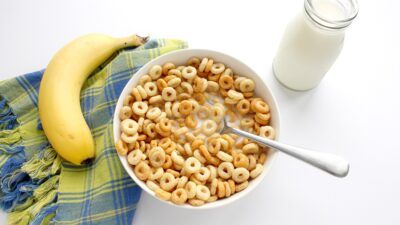
Food companies are aware of the stigma surrounding processed foods so many are marketed as healthy even though they are still UPFs with unhealthy ingredients. The term ‘plant-based’ is often co-opted by UPFs for its healthy connotations to sell vegan meat alternatives, energy bars, snacks and sweets. Breakfast cereals are often a prime example of a UPF that highlight one beneficial aspect, such as a high fibre content or “fortified with vitamins and minerals”, but don’t shout about the fact that they are made from refined carbohydrates with added sugar, low in protein and contain artificial food colourings.
With so many UPFs available, to be a health-conscious consumer requires us to have a basic understanding of ingredient lists. Look for short lists with recognisable ingredients and fortified products with good amounts of fibre and protein while avoiding those high in salt, saturated fat and added sugars. It can be useful to understand how much of these is too much, so check out Viva!’s A-Z of nutrients for salt, sugar and fat and it’s always interesting to compare some of your favourite products.
5. How to be healthy in an ultra-processed world
Over half of the average UK diet is made up of UPFs – more than in any other European country and in the US, it’s nearly 60 per cent.
Even with so many processed foods on supermarket shelves, it’s still quite possible to have a healthy, balanced diet which even includes some UPFs. The most obvious practical tip is to build a diet around the unprocessed and minimally processed plant-based foods in NOVA’s group one. Processed foods, such as plant-milks and calcium-set tofu, should be included when they offer important fortification and canned beans and frozen berries and vegetables are a convenient way to reap the health benefits of these nutritious foods. There’s no need to avoid any of those!
A simple way to improve the nutritional value of your diet is to make some simple swaps, for example white bread for wholegrain bread, sweetened soya milk for unsweetened, and ultra-processed burgers and sausages for tofu and tempeh. (See more swaps here and here.)
The occasion vegan sausage or steak won’t hurt, so long as it is only occasional and remember, plant-based meats are an exception among UPFs in that they are better than the foods they were designed to replace. When it comes to some of the less healthy UPFs, we all know crisps, cakes, sweets, pastries and biscuits should be an occasional treat and not an everyday staple. Thankfully, our health is determined by our regular habits, not what we do or eat every now and then.
A food being processed, or even ultra-processed, does not necessarily make it ‘bad’ – it depends on how, and why, it’s processed. By understanding these nuances, we can make informed, evidence-based decisions about what we want to put in our bodies. Ultimately, a diet can be healthy and include some UPFs but you need to find the diet that is right for you at this particular time of your life. If you are training for a marathon your needs are going to be different from if you’re trying to lose weight, or if you’re elderly and trying to maintain muscle mass or even gain some weight. Let the nutrition science guide your decisions, not fear-mongering headlines!

About the author
Nicholas Hallows
Nicholas has been vegan since the early 2000s and worked for Viva! between 2017 and 2020 as a Senior Administrator and Web Content Assistant. He is a qualified teacher, specialising in Language and Literacy, and an accredited Proofreader and Editor. He is now a freelance writer covering topics including veganism, mindfulness and minimalism.