

Broad Beans
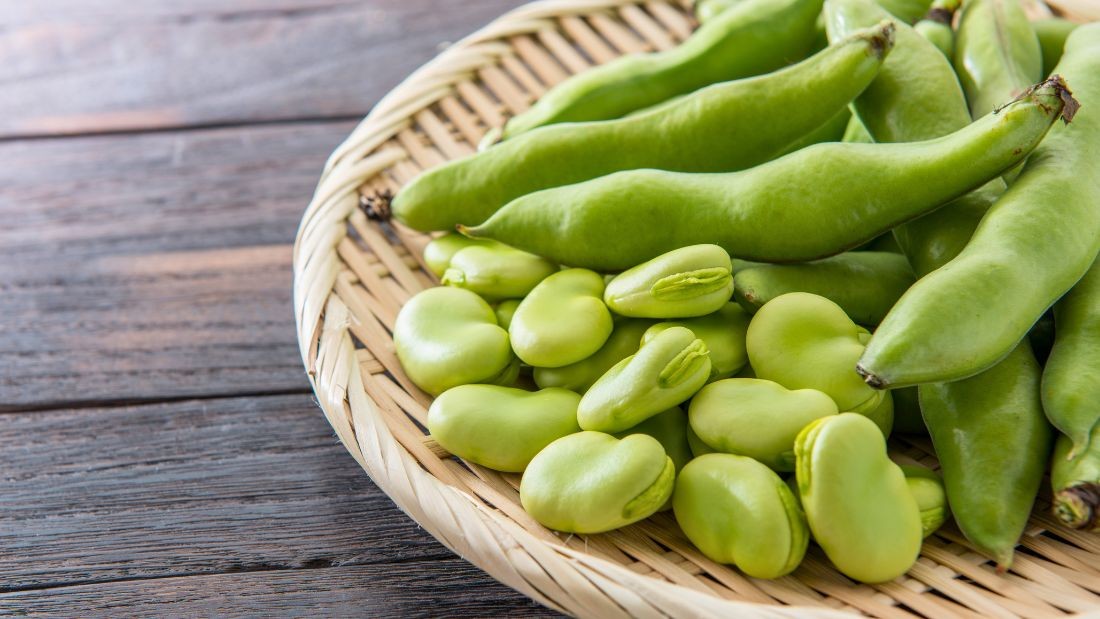
Broad beans (also known as fava beans) are nutritional powerhouses packed with plant-based protein, dietary fibre and essential micronutrients including folate, iron and manganese. One cup of cooked broad beans provides about a quarter of your daily protein needs, nearly all of your daily folate requirement and a good amount of iron and manganese.
These little treasures support heart health, aid digestion and contain natural compounds that may boost your mood and immune system.
Key health benefits include:
- Heart and blood pressure support: Their rich soluble fibre content helps lower LDL ‘bad’ cholesterol. They are also a source of potassium and magnesium, which help relax blood vessels and support healthy blood pressure.
- Digestive and gut health: Each cup of cooked broad beans provides about nine grams of fibre, which promotes regular bowel movements and feeds healthy gut bacteria.
- Weight management: Their high protein and fibre content can also increase satiety, helping you feel fuller for longer and supporting healthy weight management.
- Plant-based protein: Broad beans offer around 13 grams of protein per cooked cup, making them a fantastic addition to vegetarian and vegan diets.
- Brain and mood benefits: Broad beans naturally contain L-Dopa, a compound the body converts into dopamine, which plays a role in mood and movement. Research suggests they may support neurological health and may have relevance for conditions such as depression and Parkinson’s disease, although more studies are needed to confirm these effects.
- Blood sugar management: With a low to moderate glycaemic index, their combination of protein and fibre slows down sugar absorption, aiding in diabetes management.
- Immunity and cellular protection: They contain polyphenols (antioxidants) that may help reduce inflammation and help protect your body against chronic disease.
People with Glucose-6-phosphate dehydrogenase deficiency (G6PD deficiency) may find that broad beans are unsuitable as they can trigger a condition known as favism in some people.
Broad beans are a versatile, affordable and sustainable plant protein source. They can be lightly steamed and served as a side dish, added to salads or blended to make a delicious dip – an alternative to hummus. While falafel is typically made with chickpeas across much of the Middle East, including Lebanon, Syria and Israel, traditional versions in Egypt and Sudan are usually made with dried fava (broad) beans. A great way to use fresh broad beans is to lightly steam them, peel them then toss them into a vegan paella just before serving – they look like bright little green gems!

About the author
Dr. Justine Butler
Justine joined Viva! in 2005 after graduating from Bristol University with a PhD in molecular biology. After working as a campaigner, then researcher and writer, she is now Viva!’s head of research and her work focuses on animals, the environment and health. Justine’s scientific training helps her research and write both in-depth scientific reports, such as White Lies and the Meat Report, as well as easy-to-read factsheets and myth-busting articles for consumer magazines and updates on the latest research. Justine also recently wrote the Vegan for the Planet guide for Viva!’s Vegan Now campaign.
View author page | View staff profile