


Asparagus
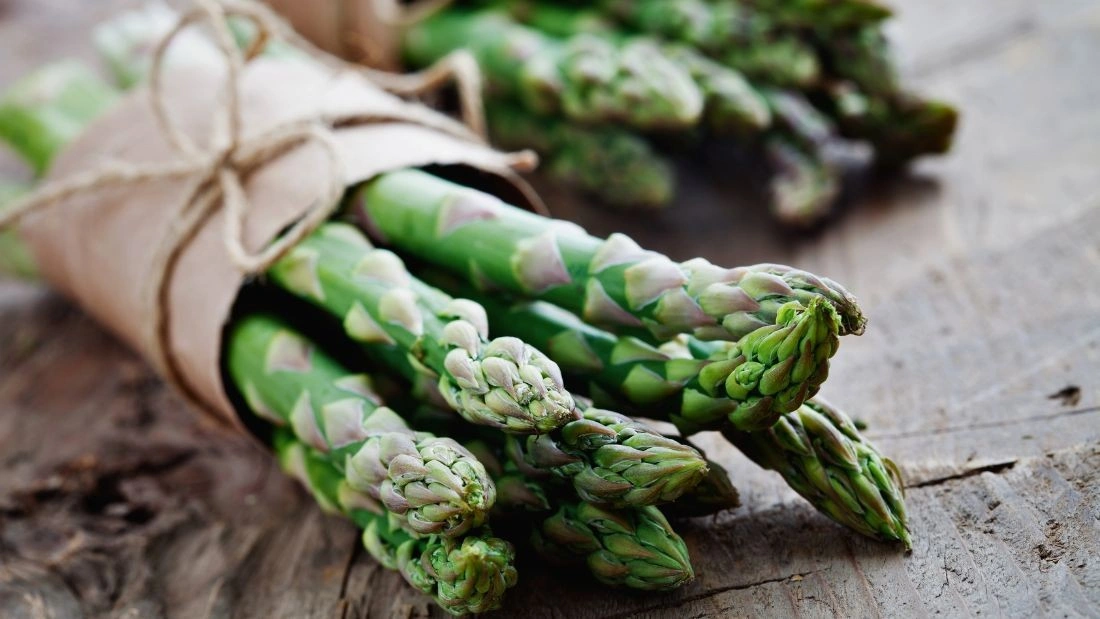
A seasonal favourite, asparagus is an elegant addition to many dishes – delicate, tender and full of flavour. In the UK, its short season from April to June adds to its appeal, but its real value lies in its impressive nutritional profile.
Asparagus has been cultivated since ancient times, with evidence from Egypt and written records from Greece and Rome, where it was prized as a delicacy and valued for its perceived medicinal properties.
Low in calories yet rich in essential nutrients, asparagus provides vitamins K, C, A and E, along with folate, fibre and minerals such as potassium and iron. A typical serving contains only around 20 calories while still offering modest amounts of protein and fibre.
Asparagus is also packed with a range of bioactive compounds – including flavonoids, polyphenols and saponins – associated with antioxidant and anti-inflammatory effects. These compounds help protect cells from oxidative stress and may contribute to long-term health.
Key benefits
- Gut health support: Fibre and prebiotic compounds, such as inulin, help nourish your beneficial gut bacteria and support digestion.
- Heart health: Potassium and plant compounds may contribute to healthy blood pressure and cholesterol levels.
- Antioxidant and anti-inflammatory effects: Vitamins and polyphenols help reduce inflammation and cellular stress, potentially lowering the risk of chronic diseases.
- Pregnancy support: Its folate content makes asparagus a useful addition to a pregnancy-friendly diet, as folate plays an important role in early development.
- Metabolic support: Early studies suggest possible roles in blood sugar control and lipid metabolism, although more evidence is needed.
- There is some evidence that asparagus may have mild diuretic properties that could support liver health, but again, more research is needed.
Cautions
Asparagus contains inulin, a prebiotic fibre that may cause bloating or gas in people with sensitive digestion or IBS.
Because asparagus contains vitamin K, which can affect how blood thinners works, people taking warfarin, for example, should keep their intake fairly consistent rather than suddenly eating much more or much less, and speak to a healthcare professional if they have any concerns.
Strong-smelling urine is a harmless but noticeable change in urine odour can occur after eating asparagus.
Asparagus is moderately high in purines, which break down into uric acid. For people with gout, very large amounts may be a concern, but normal portions are generally considered safe and plant-based purines are usually less of a trigger than those from meat or seafood.
Varieties
Green asparagus is the most common variety and is a good source of vitamin C and carotenoids, including beta-carotene, which your body converts into vitamin A. Purple asparagus contains anthocyanins; plant pigments linked to antioxidant activity. White asparagus has a milder, more delicate flavour but generally contains lower levels of antioxidants due to being grown without sunlight, while still providing fibre and folate.
Preparation and cooking
To prepare asparagus, hold each spear near the base and gently bend it until it naturally breaks. It will snap at the point where the tough, woody end meets the tender stalk.
Asparagus can be cooked in several ways depending on the result you want. You can roast, sauté, grill or lightly steam it – just don’t cook it for too long as it tastes best with a little bite left. Avoid overcrowding and aim for a tender-crisp texture, finishing with lemon juice, vegan parmesan, sliced or chopped nuts or a balsamic glaze.
See some delicious recipes here.

About the author
Dr. Justine Butler
Justine joined Viva! in 2005 after graduating from Bristol University with a PhD in molecular biology. After working as a campaigner, then researcher and writer, she is now Viva!’s head of research and her work focuses on animals, the environment and health. Justine’s scientific training helps her research and write both in-depth scientific reports, such as White Lies and the Meat Report, as well as easy-to-read factsheets and myth-busting articles for consumer magazines and updates on the latest research. Justine also recently wrote the Vegan for the Planet guide for Viva!’s Vegan Now campaign.
View author page | View staff profile