Why organic salmon isn’t the answer
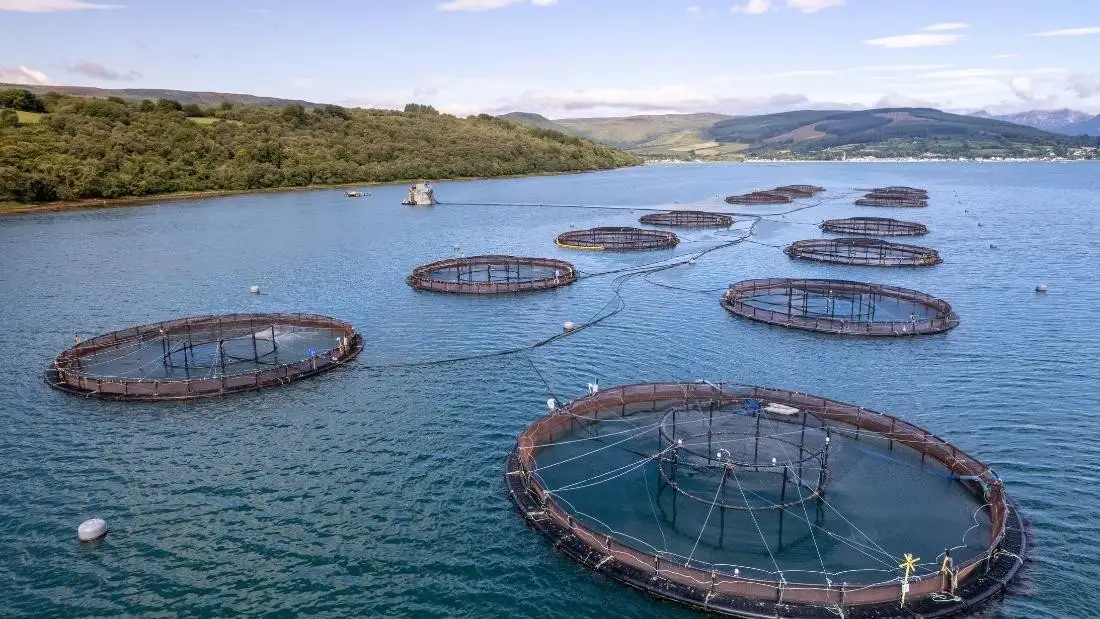
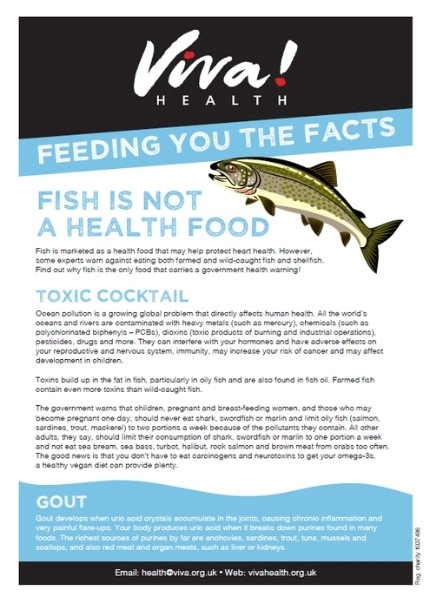
The Soil Association’s decision to withdraw organic certification from British salmon farming is a damning indictment of the aquaculture industry. Despite more than 20 years of attempts to improve standards, organic salmon farms have failed to demonstrate better animal welfare: mortality rates are similar to those on conventional fish farms and the Soil Association found little progress in providing salmon with a ‘good quality of life’. Significant environmental concerns also remain unresolved, including harm to marine ecosystems and other wildlife.
The Soil Association’s review concluded that, despite some industry-wide improvements, welfare and environmental outcomes were not good enough – and were unlikely to improve quickly enough – to justify continued certification. Its standards do require lower stocking rates and prohibit certain damaging chemical treatments, yet these measures did not overcome the industry’s underlying welfare and ecological problems.
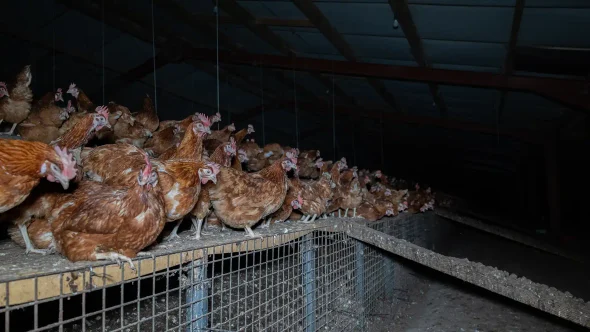
This shows that simply giving farmed animals a bit more space, slightly better care or an organic label doesn’t make factory farming kind or environmentally friendly. We have seen the same problems with ‘free range’ hens too. Better welfare used as a marketing ploy to increase sales. If even the supposedly more responsible end of the industry cannot prevent animal suffering or protect the environment, surely, it is time to go vegan rather than simply trying to make animal farming marginally less harmful.
Find Easy Vegan Swaps for fish plus a great recipe for Tofish here.

About the author
Dr. Justine Butler
Justine joined Viva! in 2005 after graduating from Bristol University with a PhD in molecular biology. After working as a campaigner, then researcher and writer, she is now Viva!’s head of research and her work focuses on animals, the environment and health. Justine’s scientific training helps her research and write both in-depth scientific reports, such as White Lies and the Meat Report, as well as easy-to-read factsheets and myth-busting articles for consumer magazines and updates on the latest research. Justine also recently wrote the Vegan for the Planet guide for Viva!’s Vegan Now campaign.
View author page | View staff profile