
Why A vegan emergency food store makes sense
Imagine the power has gone out, the shops are closed, the fridge has stopped working and nobody knows when things will return to normal. What would you want in your emergency food cupboard?
My answer is simple: a well-stocked supply of ordinary vegan supermarket foods. There are some surprisingly good reasons why a vegan emergency food store works well, even if you are not vegan.
Vegan food can be safer and easier to store
One of the biggest advantages of stocking plant-based foods is that many do not need to be kept in the fridge. Tinned beans, lentils, chickpeas, nuts, seeds, dried fruit and oats can be stored safely on in a cupboard. You do not have to worry about meat, fish, eggs or dairy spoiling when the electricity fails.
That matters because food poisoning can be a serious problem, especially during an emergency. When fridges stop working, chilled foods can quickly become unsafe: official advice says a fridge will usually keep food cold for up to four hours, after which perishable food may need to be discarded if the temperature rises above 8°C. Having plenty of shelf-stable vegan food means fewer worries about food spoiling and less pressure to eat potentially unsafe food just to avoid waste.
Vegan food can provide what you need
You do not need expensive survival meals or special emergency rations. Ordinary supermarket foods can provide energy, protein, fibre, vitamins, minerals and variety.
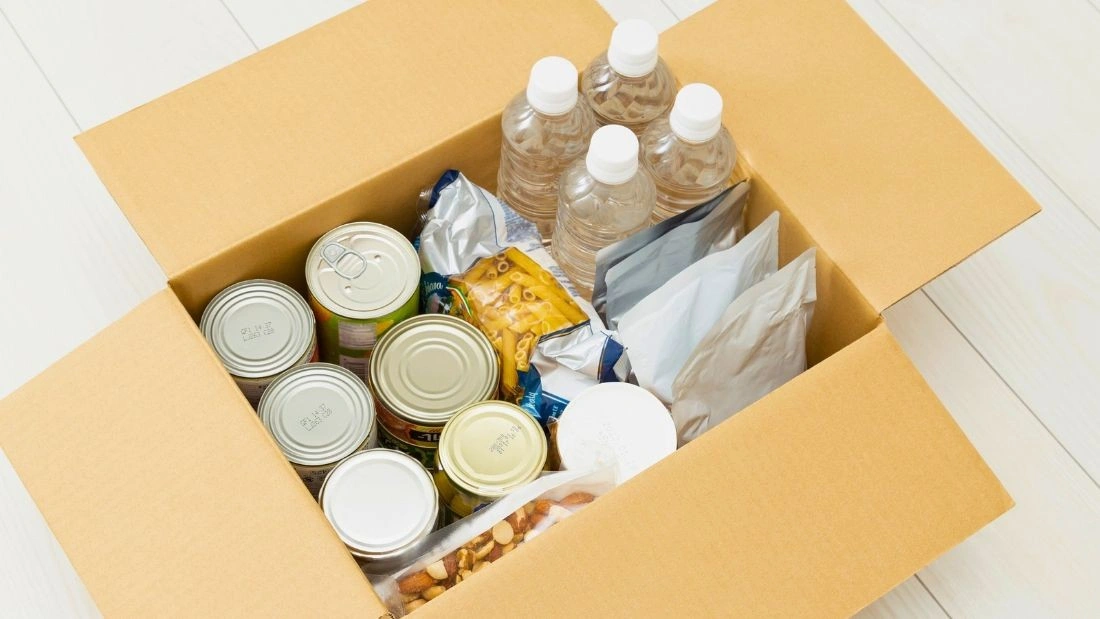
Here is what I would put in my emergency cupboard:
- Tinned beans, chickpeas and lentils: packed with plant protein, fibre and minerals including iron. They are filling, nutritious and can be eaten straight from the tin.
- Ready-to-eat lentil and grain sachets: brands such as Merchant Gourmet make convenient, filling meals that need very little preparation. Many can be eaten straight from the pack.
- Rolled oats: an inexpensive cupboard essential, providing slow-release energy, fibre and useful minerals. Perfect for breakfast.
- Peanut butter and mixed nuts: packed with protein, healthy fats and calories, making them particularly useful when you need energy and want to feel full.
- Dried apricots, dates and raisins: naturally sweet, easy to store and full of energy and fibre.
- Pumpkin and sunflower seeds: small but mighty. They provide protein, iron, magnesium and healthy fats.
- Wholegrain crackers or oatcakes: handy with peanut butter, bean pate or other toppings, without needing to cook anything.
- Long-life fortified soya milk: a useful source of protein, calcium and vitamin B12, provided you choose a fortified variety.
- Tinned fruit and vegetables: useful for variety, vitamins and a little comfort when fresh produce is unavailable.
Choose ring-pull tins wherever possible and prioritise foods that can be eaten cold. If the electricity is off and you cannot cook, you can still put together a decent meal.
Vegan emergency food is often cheaper than people think
You don’t need to buy expensive specialist survival food, freeze-dried meals or fancy camping equipment. Most of the foods I have mentioned are available in ordinary supermarkets, often in budget ranges.
You can build your supplies gradually, adding a few extra tins or packets to your weekly shop rather than spending a lot in one go. Choose foods you already enjoy eating, check the dates, and rotate your supplies so nothing goes to waste.
Plant-based cupboard foods are also very versatile. Beans and lentils can be added to salads with ready-to-eat quinoa, microwave rice or other grains, along with dried herbs, a dash of olive oil and a sprinkle of seeds for a filling protein-and-fibre meal.
Mash kidney beans or chickpeas with dried herbs, garlic and olive oil to make a quick pâté or dip for crackers. You can even make simple hummus by mashing chickpeas with tahini, garlic and olive oil.
Overnight oats avoid the need to cook porridge: simply soak rolled oats in long-life fortified soya milk and add peanut butter, dried fruit or seeds. Peanut butter on oatcakes or crackers also makes a quick, energy-rich snack.
Other reasons a vegan store works well
Less reliance on cooking: many vegan staples can be eaten cold, so you do not need gas, electricity or a camping stove.
Less food waste: dried foods, tins and long-life products keep well, and you can use exactly what you need.
Suitable for more people: a vegan store is naturally suitable for vegans and vegetarians, people avoiding dairy or eggs and just about anyone else too! If anyone has an allergy, check labels carefully for allergens such as nuts, soya, gluten or sesame.
Variety and morale: emergencies are stressful, so familiar, tasty foods matter. Sweet, dried fruit, crackers, nut butter and tinned fruit can make meals feel more normal.
Food is only part of the story
Food is important, but water is essential. The UK government advises storing at least three litres of drinking water per person per day for at least three days, with extra water if possible for cooking, basic hygiene, baby formula, medical devices or pets.
It is sensible to invest in portable water purification systems so that, rather than panicking as supplies of bottled water diminish, we have the means to obtain safe drinking water from suitable local streams and rivers in an emergency.
Make sure any system purchased is specifically designed for treating untreated surface water, rather than simply filtering tap water.
It is also worth keeping a battery-powered or wind-up radio, a torch with spare batteries, a manual tin opener, a charged power bank, basic hygiene supplies such as wet wipes and hand sanitiser and some cash in case electronic payments or cash machines are unavailable. These are all included in the government’s household emergency checklist.
Prep don’t panic
There are lots of reasons why every household should have a small emergency food and essential-supplies cupboard. Most are not dramatic, doomsday scenarios. Storms, floods, power cuts, transport problems and unexpected shortages can all disrupt access to food.
A vegan emergency food cupboard is affordable, practical, nutritious and easy to put together. It does not require specialist food, expensive equipment or complicated recipes. In fact, you probably already have some of these foods in your kitchen.
Whether you are vegan, vegetarian or a meat-eater, having a cupboard full of nutritious, long-lasting plant foods is sensible preparation. You do not need to spend a fortune to be prepared: a few tins, packets, jars and a little forward planning could make all the difference when you need them most.

About the author
Dr. Justine Butler
Justine joined Viva! in 2005 after graduating from Bristol University with a PhD in molecular biology. After working as a campaigner, then researcher and writer, she is now Viva!’s head of research and her work focuses on animals, the environment and health. Justine’s scientific training helps her research and write both in-depth scientific reports, such as White Lies and the Meat Report, as well as easy-to-read factsheets and myth-busting articles for consumer magazines and updates on the latest research. Justine also recently wrote the Vegan for the Planet guide for Viva!’s Vegan Now campaign.
View author page | View staff profile


