The Forgotten Animals of Climate Change
In 2015, the world witnessed a quiet tragedy. On a remote island at the northern end of the Great Barrier Reef, the last known Bramble Cay melomys disappeared. Its vanishing set a record – the first recorded mammal wiped out by anthropogenic (human-caused) climate change. No headlines screamed. No emergency summits were held yet this small rodent marked a devastating milestone: the beginning of a new wave of climate-linked extinctions.
When we picture animals affected by climate change, it’s likely to be polar bears stranded on melting ice or coral reefs bleaching bone white. But behind these iconic symbols, hundreds of lesser-known species are quietly vanishing – many before we even notice they’re in trouble. The warming world is shrinking habitats, spreading disease and upsetting the delicate balance of entire ecosystems. These are the forgotten victims of climate change.
The unseen toll of a global crisis
Climate change is not an equal-opportunity threat. Species with narrow ranges, specialised diets or highly specific climate needs are particularly at risk. Due to a mix of geographic isolation, scientific neglect and low public visibility, these animals rarely make conservation headlines.
While large, photogenic species tend to receive public attention and funding, many smaller or more obscure animals are disappearing off the radar – and off the planet.
Five forgotten victims of the climate crisis
- Bramble Cay Melomys
Once thriving on a tiny island on Australia’s Great Barrier Reef, the Bramble Cay melomys has earned a tragic title – the first mammal officially driven to extinction by climate change. This small, mosaic-tailed rodent lived on Bramble Cay, a small island that is at most 10 feet above sea level, where rising seas and repeated storm surges wiped out 97 per cent of its habitat. By 2009, it had vanished from sight; by 2016, scientists declared it gone. Once counted in the hundreds, not a single trace remains of the melomys. Its story is a stark warning: as oceans rise and storms intensify, this lost rodent may only be the beginning. - Ringed Seal
Ringed seals, the smallest and most widespread Arctic seals, rely heavily on sea ice for survival, using it for birthing, nursing and protection. But climate change is rapidly melting the ice and snow cover they depend upon, putting their entire life cycle at risk. Without stable snow caves to shield pups from predators and freezing temperatures, survival rates drop. Warming also impacts food availability and may expose seals to increased shipping traffic, oil exploration and pollution. As Arctic ice continues to vanish, ringed seals face mounting threats, making them a quiet but urgent symbol of a melting world. - White Lemuroid Possum
High in the misty cloud forests of northeastern Australia lives a ghostly, snow-white marsupial: the white lemuroid possum. This rare possum is highly sensitive to heat and temperatures above 30°C can be lethal. Unfortunately, such temperatures are becoming more frequent in its mountaintop habitat. In 2005, following an extreme heatwave, scientists feared it had gone extinct and although small populations have since been rediscovered, the species remains at grave risk. These possums cannot migrate higher as there’s simply nowhere left to go. Their shrinking habitat, combined with increasing heat intensity, makes this possum a stark warning of climate change’s impact on rainforest biodiversity. - Sierra Nevada Blue Butterfly
The Sierra Nevada blue butterfly, found only in high mountain regions of Spain, is facing extinction due to climate change. Already threatened by overgrazing, ski resorts and human disturbance, its greatest risk comes from rising temperatures, drought and reduced snow cover. These changes are forcing it to higher elevations where suitable habitat may no longer exist. Like many of Europe’s 149 highly localised butterfly species, it is trapped in fragmented habitats, unable to relocate. Conservationists warn this butterfly’s decline is a warning sign – as climate change impacts butterflies, it will also devastate other pollinators, threatening ecosystems across Europe. - Hawaiian Honeycreepers
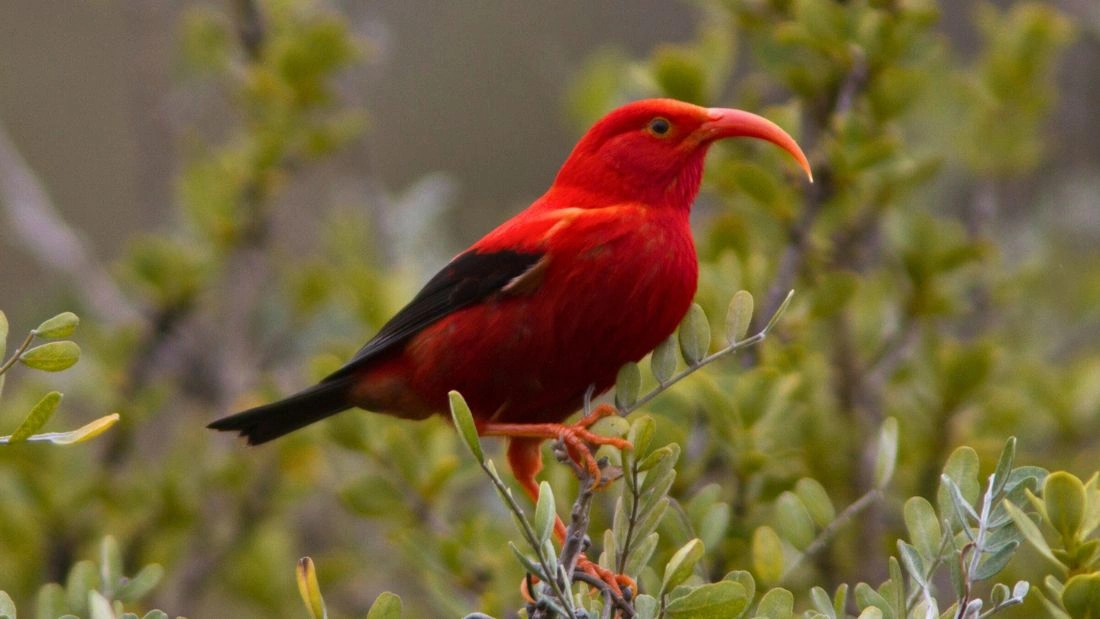
Hawaiian honeycreepers, small and brightly coloured birds found in the islands’ high-elevation forests, are under severe threat from climate change. These birds evolved in cooler, mosquito-free zones but warming temperatures are now allowing disease-carrying mosquitoes, especially those spreading avian malaria, to invade their habitats. On Kauai, mosquito presence and avian malaria cases have more than doubled since the 1990s. In addition to disease, invasive species and habitat loss are accelerating the birds’ decline. Scientists warn that species like the ‘akikiki and ‘akeke‘e could go extinct within a decade without urgent action such as mosquito control and habitat protection.
Why Are These Animals Forgotten?
Why do some species vanish without fanfare? There are a few key reasons:
- Lack of charisma: Animals that are small, secretive or not conventionally ‘cute’ often struggle to attract public concern or funding
- Limited data: Many of these species are poorly studied or live in hard-to-reach places, meaning their decline goes unnoticed until it’s too late
- Conservation bias: Funds often prioritise iconic or economically significant species, leaving obscure ones behind
- Geographic isolation: Animals on remote islands or mountaintops are easy to ignore – until they disappear
More Than Just Individual Losses
When a species like the Bramble Cay melomys or the Sierra Nevada blue butterfly vanishes, it’s not just a loss of one animal – it’s a fracture in the ecological web.
- Honeycreepers pollinate native plants
- Ringed seals support Arctic predators and balance marine food chains
- Melomys once helped spread seeds on their island
- Each loss ripples outward, destabilising systems already stressed by climate shifts
These species are indicators not only of climate stress but of how narrow our attention has been.
The Urgency of Broader Awareness
If we want to face the full scope of the climate crisis, we must look beyond the poster animals. Climate change is touching every corner of the globe, every branch of the tree of life. Many species on the brink don’t have documentaries made about them or celebrity endorsements – they have only a handful of researchers and are maybe just a name on a list.
Yet there is hope. Conservation efforts rooted in local knowledge, stronger climate policies and increased attention to ‘data deficient’ species can help turn the tide. We cannot save every animal but we can broaden our lens to include those we’ve too long ignored.
The Bramble Cay melomys is gone. Let it be the last species we lose in silence.

About the author
Rachel Higgins