The Rise of Vegan and Sustainable Art: Creativity Rooted in Compassion
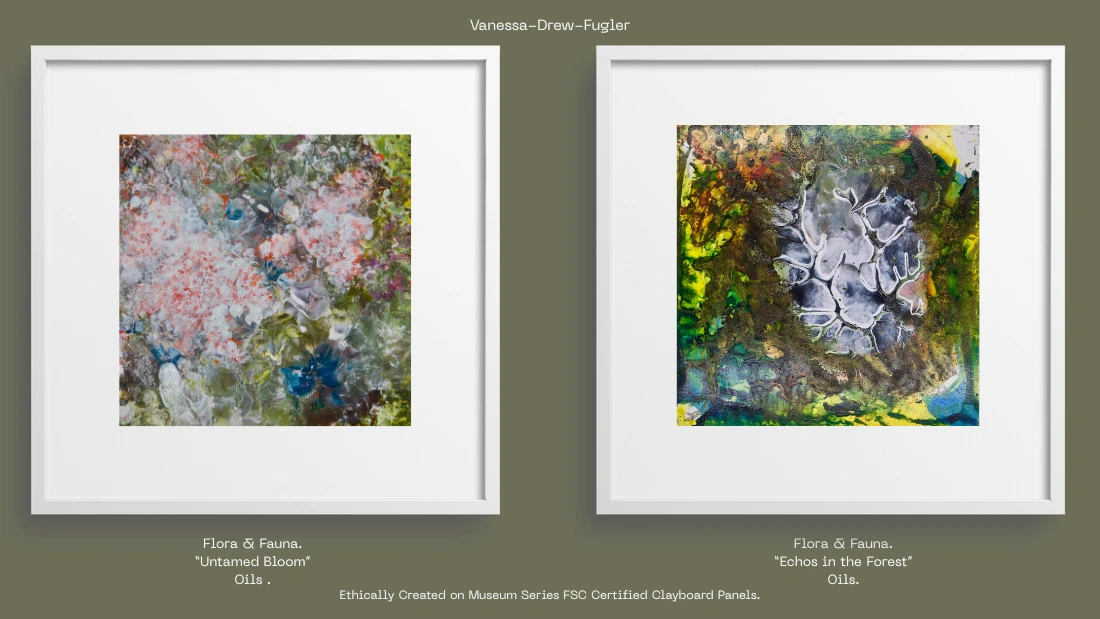
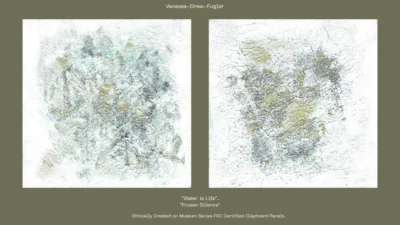
By Vanessa Drew-Fugler, Viva! Art for Animals artist
Art has always reflected the values and consciousness of its time. Today, as awareness of sustainability and ethical living continues to grow, a new creative movement is flourishing – vegan and sustainable art. This approach goes beyond subject matter to consider the very materials and processes used in making art, aligning creativity with compassion for all living beings and respect for the planet.
A Personal Journey Towards Ethical Art
Over a decade ago, the search for vegan art materials was far from simple. I began sourcing cruelty-free supplies long before it became a recognised conversation in the art world.
It was a time-consuming process that required writing to numerous manufacturers and organisations to confirm whether their paints, inks and mediums contained animal-derived ingredients. Many traditional art materials included substances such as bone char in black pigments, ox gall in watercolours or animal glue in primers and varnishes.
Thankfully, the landscape has changed. Today, many art suppliers clearly list vegan and cruelty-free information on their websites, making it far easier for artists to make informed, ethical choices. However, it’s still important to check each time materials are renewed, as companies can change their ingredients or formulations without notice.
For artists committed to ethical practice, this vigilance is essential – using a non-vegan or non-sustainable medium by mistake can be both costly and deeply upsetting. This ongoing awareness reflects a growing demand for transparency and sustainability – not only from artists but also from collectors and consumers who value integrity in creative practice.
Materials with a Mission
Vegan and sustainable art is defined by the absence of animal-derived materials and a commitment to environmentally responsible production. Artists are increasingly turning to plant-based, mineral or synthetic alternatives that achieve professional, archival-quality results without harm.
Recycled cotton paper, sustainably sourced canvas and non-toxic, water-based paints are becoming staples in studios that prioritise both artistic excellence and ecological responsibility.
This mindful approach extends beyond materials. Many artists now consider the full lifecycle of their work – from sourcing and packaging to waste reduction and energy use. For some, the process of researching and selecting materials has become an integral part of the creative journey, deepening their connection to their art and reinforcing a sense of purpose.
The Future of Conscious Creativity
As the boundaries between art, ethics and environmentalism continue to blur, vegan and sustainable art stands as a testament to how creativity can evolve responsibly. It challenges the notion that artistic excellence requires compromise and demonstrates that beauty can be both expressive and ethical.
What began as a personal search for cruelty-free materials has grown into a global movement – one that celebrates innovation, compassion and respect for life in all its forms. In this new era of conscious creativity, art becomes more than expression; it becomes an act of care for the world that inspires it.
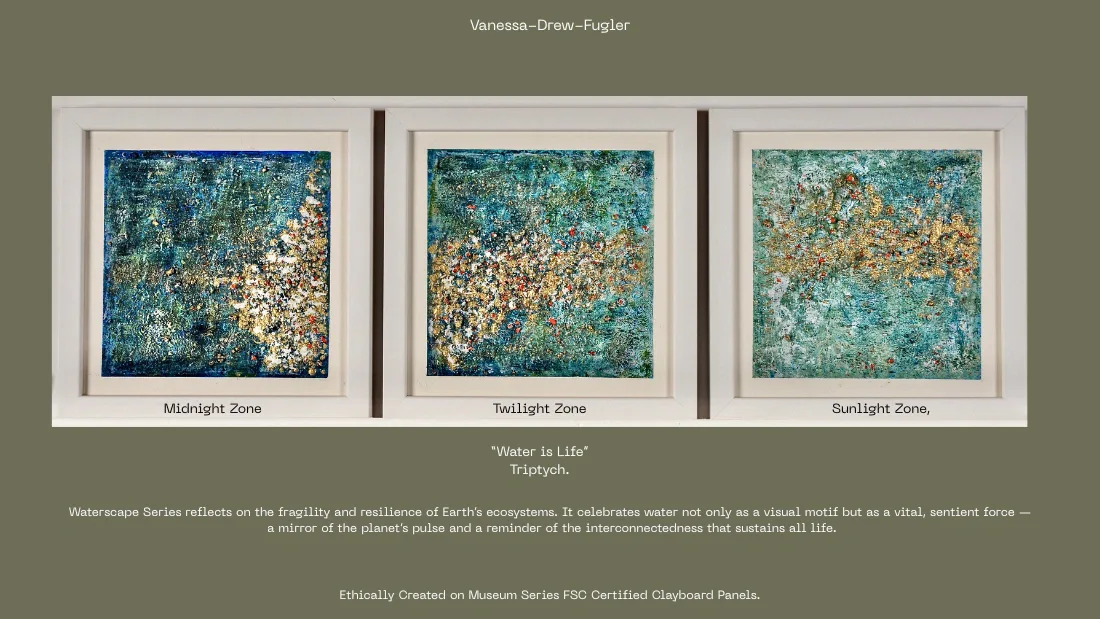
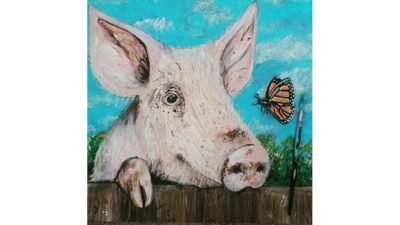
Vanessa Drew-Fugler on Art for Animals: “I support Viva!’s Art for Animals project because it unites creativity with compassion – two forces that can truly inspire change. Art has the power to move hearts and open minds, and Viva!’s mission aligns perfectly with my own belief that empathy for animals should be at the centre of how we live.”
Discover our featured artists who are helping Viva! save animals with every piece they sell. When you buy directly from one of our featured artists, a donation from your purchase goes to Viva!.
Interested in becoming an Art for Animals artist? We’d love to hear from you. Please get in touch with Viva! on 0117 944 1000 or email rebecca@viva.org.uk