Nobody’s Perfect – Don’t Let Perfectionism Get in the Way of Making Change
When it comes to living more sustainably or eating in a way that reflects our values, many of us start with the best intentions. We set out to ‘go vegan’, ’cut waste’ or ’live green’, only to stumble when it collides with reality. Maybe you accidentally buy a snack with milk powder in it or you forget your reusable cup and end up with a disposable one. For some, these slip-ups feel like failure and in that moment, there’s a temptation to give up altogether. The truth is, striving for perfection can stop us from making any progress at all. Yet, progress – not perfection – is where meaningful change happens.
The perfection trap
Perfectionism creates a controlling, all-or-nothing mindset. If we can’t do everything ‘right’, we may decide it’s not worth trying. Think of the person who tries veganism but after one accidental cow’s milk coffee, declares: “Well, I’ve ruined it now.” Or the eco-conscious shopper who beats themselves up for buying a plastic-wrapped cucumber and then wonders why they bother at all.
This mindset can be draining as it builds guilt, shame and even resentment towards the very changes we wanted to embrace. Worse, it can stop us from trying again. Expecting ourselves to meet high standards from the start can be demanding. Few people live a life free of harm or waste but what we can do is reduce our impact in ways that are achievable and sustainable long-term.
Progress over perfection
It’s important to remember the bigger picture and how small changes constantly repeated can add up to something powerful. Imagine if thousands of people cut their meat consumption in half: that collective shift would have a greater impact on the number of animals killed than a handful of people going vegan.
Research into climate action echoes this point. Large-scale environmental benefits come from broad participation in imperfect solutions rather than narrow participation in perfect ones. The same applies to food – every step away from animal products, whether that’s swapping dairy milk for oat milk or choosing lentils over beef, creates a ripple effect.
What counts most is direction of travel. If you’re moving toward a kinder, greener lifestyle, you’re already making a difference.
Food choices without pressure
Food is personal, emotional and tied to identity. That’s why guilt can weigh heavily when someone feels they’re not doing enough. But there’s no single entry point into compassionate eating and no one path that fits all. A flexible approach can help people ease into change. It’s starting the change that is so important.
Halfway Heroes: Making half your weekly meals plant-based for the sake of our planet
Meat-free Mondays: A single day each week that saves resources and sparks creativity in the kitchen
Simple swaps: Choosing plant milk, dairy-free yogurt or vegan butter in everyday meals
Every plant-based meal you choose has a value and over a year, one person who commits to one vegan meal per day will have excluded hundreds of animal products from their plate. That’s not failure – it’s a tangible, positive impact.
When slip-ups happen, they’re just that: slip-ups. Maybe you didn’t notice honey in the ingredient list or you accidentally ordered a sandwich with mayonnaise. Instead of letting that derail you, treat it as part of the learning process. Compassion for yourself is important as well as compassion for others.
Environmental habits in daily life
The same perfection trap shows up in sustainability efforts. Someone who forgets their tote bag and ends up with a plastic one might think: “I’m terrible at this,” instead of noticing all the times they did remember. But it’s those regular habits – not the occasional slip – that shape our footprint.
A few examples of imperfect yet valuable actions:
Using a reusable bottle most of the time, even if sometimes you buy a drink on the go
Cycling once or twice a week instead of driving daily
Buying some clothes secondhand without committing to an entirely thrifted wardrobe
These may feel small but the ripple effect of many people making partial shifts is enormous. When individuals adopt new habits, companies and policymakers notice. Change scales outward from imperfect beginnings.
The social side of perfectionism
There’s also a social element to perfectionism. Many people hesitate to call themselves vegan or eco-conscious because they fear criticism from others – from those who think they’re ‘too extreme’ or from those who argue they’re not doing enough. This gatekeeping can push people away instead of inviting them in.
A kinder approach builds a stronger community. Instead of judging, we can celebrate the effort someone makes to try cooking with tofu for the first time or to bring a reusable cup even if they forget sometimes. Encouragement plants seeds that grow, while criticism often shuts people down.
Supporting each other with compassion is how movements grow. None of us are perfect, but all of us can be better together.
Choosing progress today
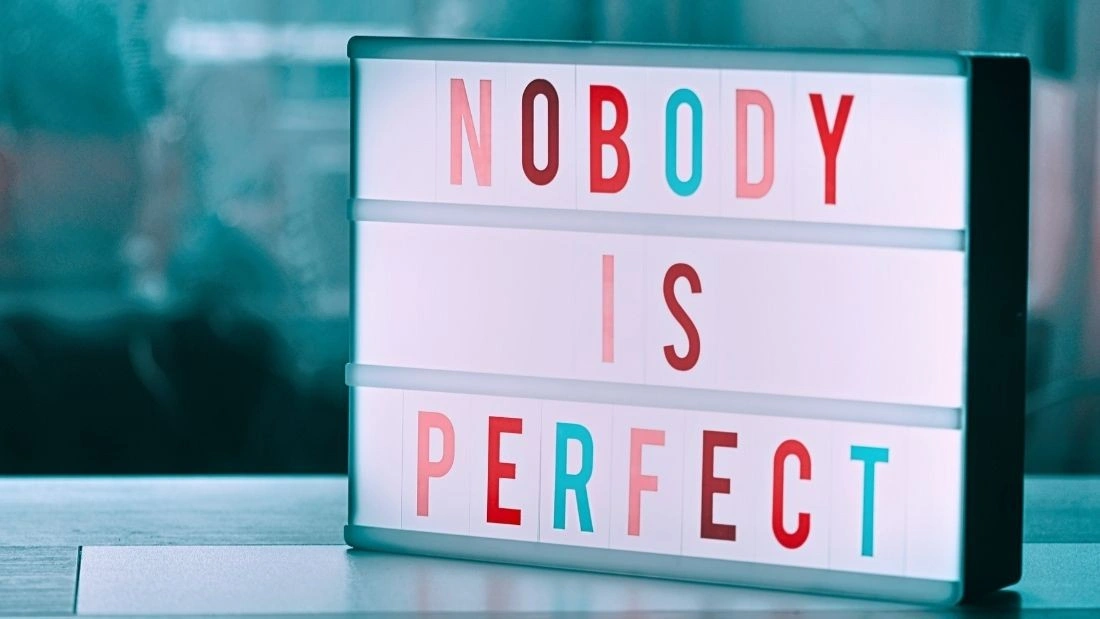
It’s easy to get caught up in the idea that if we can’t do everything, we may as well do nothing. But that’s a myth – nobody’s perfect and nobody has to be. What matters is progress: the small daily choices that collectively shape a better future.
So, if you’ve been holding back because you worry about not doing enough, let that go. Order the oat latte, cook a vegan dinner, bring your reusable bag when you can. And when you stumble, remember – it’s not failure, it’s part of the journey.
The most powerful change doesn’t come from flawless effort. It comes from millions of imperfect steps, all moving in the right direction. For many, going vegan is the next natural step – one simple shift at a time, turning everyday meals into choices that support animals, health and the planet.

About the author
Rachel Higgins