Landmark victory: octopus farm plans scrapped after global outcry
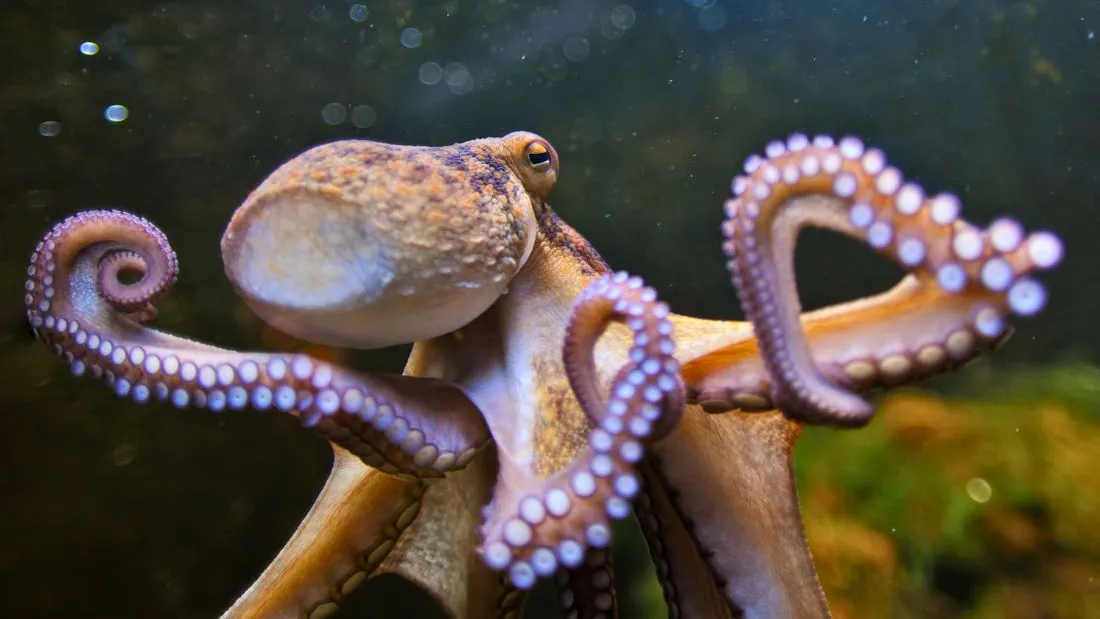
In a landmark victory for animal protection, Spanish seafood company Nueva Pescanova has abandoned its plans to build the world’s first commercial octopus farm in Gran Canaria, Canary Islands, after years of growing global opposition over the suffering the facility would have caused the animals. Nueva Pescanova cited years of regulatory delays, increasing environmental scrutiny and changing requirements, which it said had made the project no longer commercially viable.
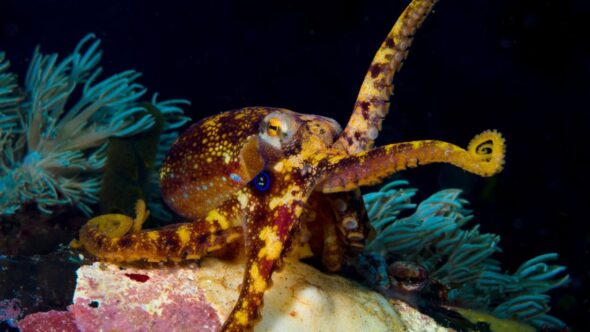
The proposed facility would have confined hundreds of thousands of octopuses in intensive farming conditions, raising serious welfare concerns. Viva! and many other animal advocacy groups and scientists strongly opposed the project, warning that octopuses are solitary, highly intelligent and sentient animals who would suffer significantly in crowded, artificial tank environments.
Viva! and other campaigners also highlighted the detrimental environmental consequences of farming a carnivorous species, which would have required vast quantities of wild-caught fish to feed the octopuses, adding further pressure to already struggling marine ecosystems.
How Viva! contributed to the victory
Mobilising public pressure through mass campaigning: a key moment in the campaign came when the Las Palmas Port Authority received more than 42,000 protest emails in the final weeks of the application process. Viva! helped mobilise our extensive supporter network, encouraging people to contact decision-makers and adding to the unprecedented public pressure surrounding the proposal.
Supporting international collaboration and scientific opposition: Viva! joined forces with animal protection organisations, scientists and campaign groups around the world in opposing Nueva Pescanova’s plans, supporting coordinated campaigns and open letters backed by more than 130 NGOs and leading scientists, helping ensure that the environmental and ethical concerns surrounding octopus farming received serious scrutiny from Canary Islands authorities.
Raising awareness and driving media attention: By exposing the proposed farming conditions and the planned ‘ice slurry’ slaughter method, Viva! helped bring the issue to a global audience. Alongside other advocacy groups, we helped transform what began as a local planning application into an international debate about animal sentience, industrial farming and the future of marine protection. The growing public awareness and reputational pressure contributed to making the project increasingly difficult to advance.
Following the cancellation, Viva! founder and director Juliet Gellatley described the decision as a “victory for compassion, science and public pressure”, highlighting the power of coordinated campaigning to protect animals.
Juliet said: “The world doesn’t need a new form of factory farming. We need it to end. Octopus farming would have turned some of the planet’s most remarkable animals into mass-produced commodities. Today’s decision is a victory for compassion, science and public pressure – and proof that determined campaigning works.”
While the project’s cancellation represents a major victory for animal protection, Viva! continues to campaign for stronger safeguards for marine animals and an end to intensive aquaculture systems that prioritise profit over animal welfare.
See former Head of Investigations at Viva!, Lex Rigby, describing why octopus farming would be a travesty for animals and the environment here.
Viva! ran a dedicated page How Octopuses Are Farmed and Killed, which we promoted via our social media channels as part of the same anti-octopus-farming push.
See Juliet explaining why factory farming needs to end and why octopus farming should never happen.

About the author
Dr. Justine Butler
Justine joined Viva! in 2005 after graduating from Bristol University with a PhD in molecular biology. After working as a campaigner, then researcher and writer, she is now Viva!’s head of research and her work focuses on animals, the environment and health. Justine’s scientific training helps her research and write both in-depth scientific reports, such as White Lies and the Meat Report, as well as easy-to-read factsheets and myth-busting articles for consumer magazines and updates on the latest research. Justine also recently wrote the Vegan for the Planet guide for Viva!’s Vegan Now campaign.
View author page | View staff profile