Ignoring the cow in the room?
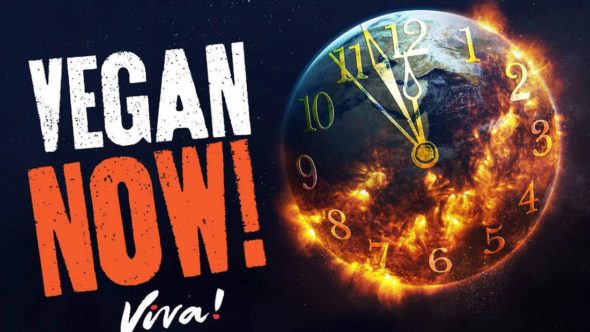
This year, three major government reports deliver the same message from different perspectives: the UK’s food system must change if we are to protect the climate, restore nature and safeguard national security. Yet there continues to be enormous pushback on one of the clearest recommendations – a shift towards plant-based eating – no matter how carefully decision-makers tiptoe around it.
The Climate Change Committee’s Progress in Reducing Emissions 2026 report concludes that the UK is not reducing greenhouse gas emissions fast enough and identifies agriculture as a major area of failure. Published on June 24, 2026, the same day the UK Met Office issued a Red Warning for extreme heat, this report notes that the Government’s pathway does not adequately address farmed animal numbers and that ministers have still not set any pathway for reducing meat consumption, despite the Committee’s long-standing advice that lower consumption of meat – particularly beef and lamb – is needed to meet climate targets.
Also published on June 24 was the Government’s Farming Roadmap 2050: Growing England’s Future. And while this paper acknowledges that “meat production is a significant contributor to greenhouse gases in the farming sector”, it stops short of recommending that people reduce how much of it they eat. Instead, it outlines that UK animal farmers could “diversify into lower emission farming systems where appropriate, for example growing oilseeds and pulses as demand for plant-based foods increases.” Put simply, it means that some farmers consider growing crops such as high-protein, nitrogen-fixing lentils instead of methane-emitting cows and sheep.
This mild-mannered (yet eminently sensible) suggestion has caused uproar among farmers and industry commentators, with The Telegraph’s William Sitwell going so far as to write that the Farming Roadmap is “a vision of no more sheep, pigs and cattle but, instead, pyres across the nation, burning livestock, and empty cottages, sheds and farmhouses”. Bear in mind that earlier this year, the Government’s own Nature Security Assessment warned that biodiversity loss and ecosystem collapse threaten the UK’s national security by increasing the risk of food shortages, crop failures, water insecurity, supply chain disruption and geopolitical instability. It concludes that the UK must build a more resilient food system as reliance on imports becomes increasingly risky.
Animal agriculture is one of the biggest drivers of land use, habitat loss and pressure on ecosystems worldwide, while producing plant-based foods generally requires far less land and fewer natural resources. A transition towards more plant-based diets, which Labour’s Farming Roadmap leaves scope for (though arguably not enough scope), would therefore help address these reports’ concerns by reducing emissions, easing pressure on nature, improving food security and increasing resilience.
The contradiction is that, despite receiving clear advice from its independent climate advisers and acknowledging the growing national security risks posed by ecosystem collapse, the Government continues to avoid outlining policies that would actively support a shift towards lower meat consumption. Instead, it continues to largely rely on voluntary dietary change, overly cautious proposals and inadequate technological improvements in farming, leaving a significant gap between the evidence presented in its own reports and the action needed to address it.
Viva!’s associate director and editor of Viva!life, Tony Wardle, said: “These are scary times and no matter how much some people might like to think that veganism is not political, it is at the very heart of politics – and is why we are so reviled by many. We are witnessing the most damaging game of ‘chicken’ ever devised and ours is one of the few voices of sanity that must now be heeded”.

About the author
Dr. Justine Butler
Justine joined Viva! in 2005 after graduating from Bristol University with a PhD in molecular biology. After working as a campaigner, then researcher and writer, she is now Viva!’s head of research and her work focuses on animals, the environment and health. Justine’s scientific training helps her research and write both in-depth scientific reports, such as White Lies and the Meat Report, as well as easy-to-read factsheets and myth-busting articles for consumer magazines and updates on the latest research. Justine also recently wrote the Vegan for the Planet guide for Viva!’s Vegan Now campaign.
View author page | View staff profile