Heatwave Britain: a threat to life
As temperatures rise, the suffering endured in factory farms gets even worse
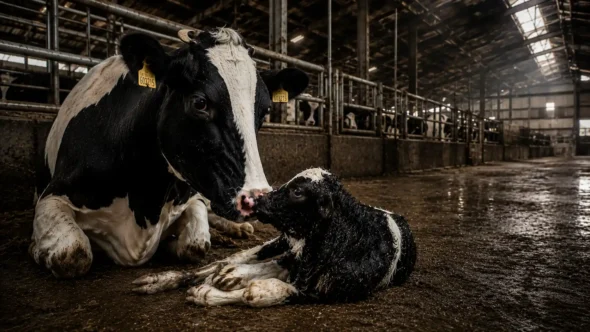
Nearly all farmed animals in the UK live in industrial-style farms otherwise known as factory farms. Conditions are hideous but the current UK heatwave places even more stress on these poor animals, particularly where environmental control is minimal and conditions are tightly constrained to maximise profit rather than the animals’ needs.
Health warnings
As we know from all the government health warnings, high temperatures can be challenging for all animals, including humans. Those confined in factory farms face even higher risks because they have no ability to adapt their surroundings or express natural cooling behaviours.
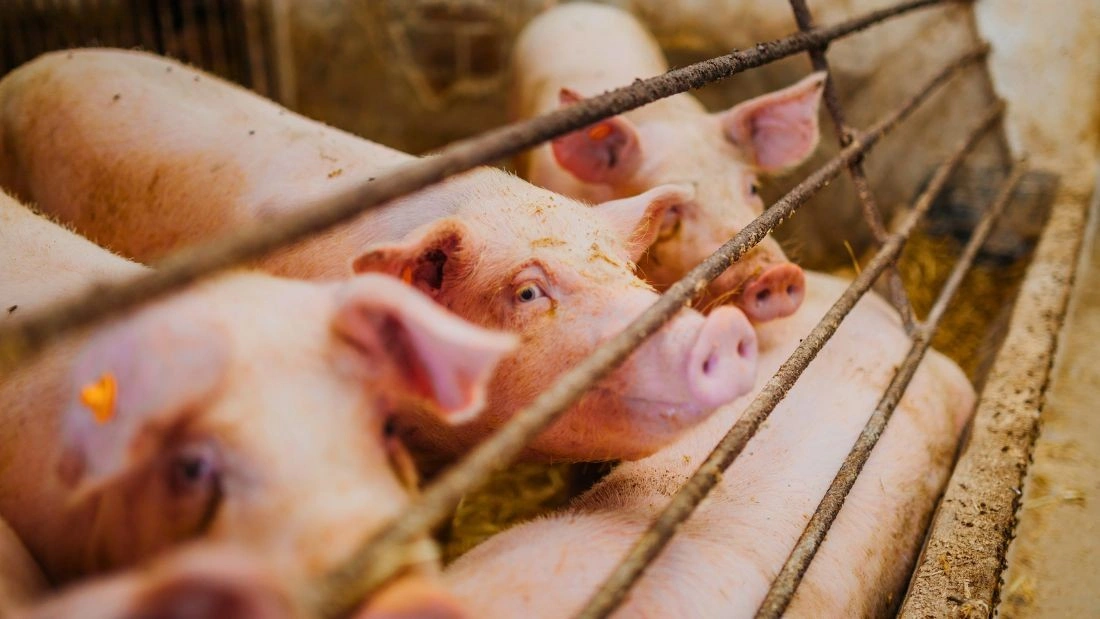
In many poultry and pig farms, animals are housed on hard concrete or slatted floors, often in large indoor sheds with thousands of individuals packed into the same airspace. During periods of extreme heat, such as those increasingly seen in the UK summer climate, these environments can become stifling. Ventilation systems are designed to regulate temperature, but they are not always sufficient during peak heat events or power interruptions, and they cannot replicate the adaptive behaviours animals would use in natural conditions.
Chickens – feeling the heat
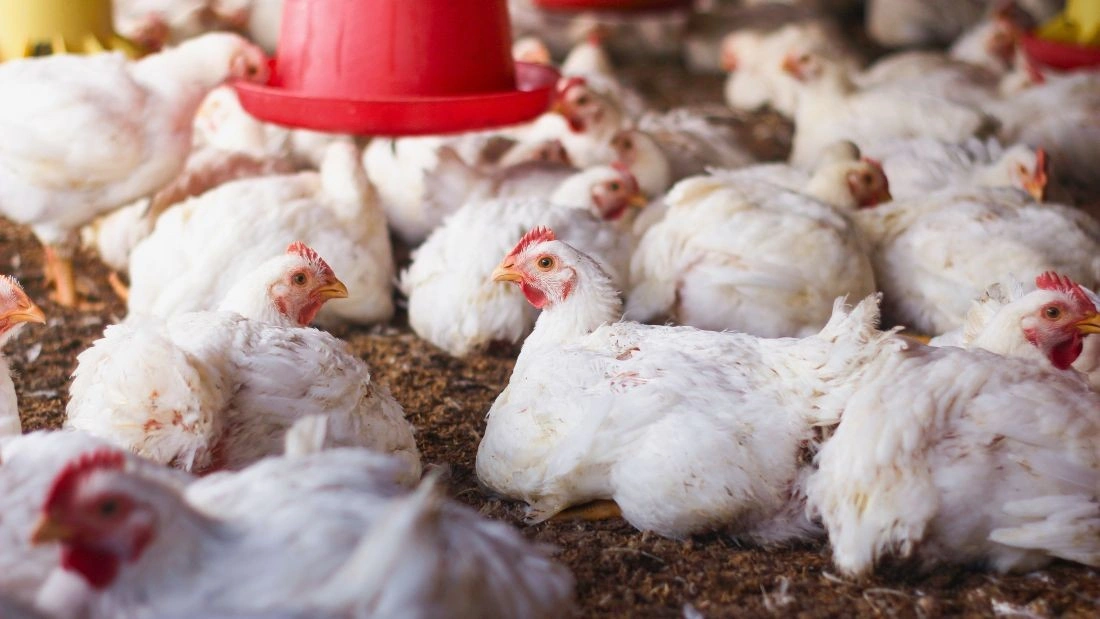
Chickens, for example, are highly sensitive to heat stress. They do not sweat and rely primarily on panting and spreading their wings out to release heat. In so-called enriched colony cages, used to house over seven million UK laying hens, there is simply not enough room for hens to stretch their wings out as they are limited to 600 cm² useable space each – roughly equivalent to the size of one A4 sheet of paper plus a postcard. It’s hard to believe that’s how they are forced to live. Find out more about our Cracked campaign to ban cages here.
In natural environments, chickens would seek shade, dust-bathe in cool soil and adjust their behaviours – resting during the hottest parts of the day and foraging in cooler periods. In intensive systems, however, shade is limited or non-existent inside enclosed sheds and dust-bathing opportunities are restricted or absent. The inability to move freely or access cooler microclimates means their core body temperature can rise rapidly during heatwaves.
Extreme heat can lead to reduced feed intake, dehydration and in severe cases, sudden death. Industry and welfare reports indicate that heatwaves can cause noticeable spikes in mortality, sometimes affecting flocks at scale, particularly in poorly ventilated or densely stocked systems. However, there is no single comprehensive public dataset that tracks exactly how many chickens die due to heat each year in the UK.
Pigs – no way to cool down
Pigs face similar constraints. In the wild, pigs regulate heat by wallowing in mud or water, which provides both evaporative cooling and protection from sunburn. If it’s available, farmed animals tend to drink more water in hot conditions to stay hydrated. This increases the already disproportionately high demands of existing water use to support animal agriculture.
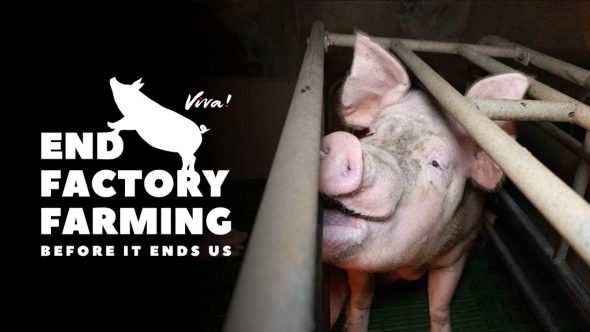
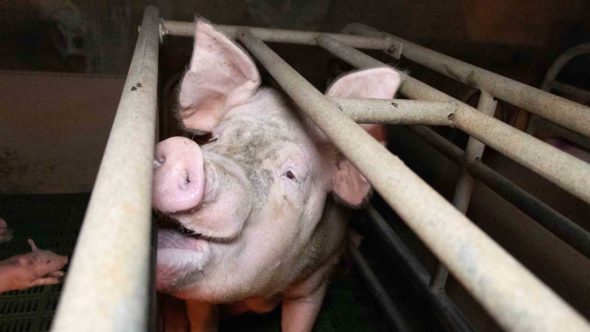
Pigs also seek shaded, well-ventilated areas and reduce activity during hot periods. In factory farms, pigs are typically kept on hard flooring with limited enrichment and no access to mud or natural water sources for wallowing. Even when water is provided for drinking, it is not designed for cooling behaviour. As a result, pigs may become increasingly lethargic, stressed and vulnerable to heat exhaustion increasing the risk of death before they are sent off to the gas chamber to be slaughtered for their meat – 90 per cent of the 10 million pigs slaughtered each year in the UK are gassed. Read more about that here.
Viva! managing director, Laura Lisa Hellwig, has first-hand experience of pig farms in the heat: “I’ve investigated several pig farms in heatwaves but it was not even as hot as it is now. Honestly, it’s hell! The smell, the stagnant heat; I remember after two hours of filming thinking, ‘I don’t think I can do this much longer without passing out.’ And this was in the middle of the night! I can’t even begin to imagine what it is like in the day at the temperatures we are currently experiencing.”
Another layer of risk
Transport adds another layer of severe risk during heatwaves, particularly for animals already under stress from high temperatures in intensive systems. Farmed animals, such as pigs, chickens and cattle are often transported in crowded lorries with limited ventilation, where heat can build up rapidly due to body heat, engine emissions and lack of airflow. Today and tomorrow (24 and 25 June 2026), the Royal Norfolk Agricultural Show is taking place. Cows, sheep, pigs, chickens, rabbits and more are being transported to the showground in extreme temperatures – during an Amber weather warning – to be paraded in front of crowds of spectators.
During UK heatwaves, internal temperatures inside transport vehicles can rise significantly above ambient outdoor levels, creating conditions where animals may be forced to stand or lie on hard surfaces while panting, dehydrated and unable to escape the heat. Journeys can last hours and even short delays in traffic can become critical when ventilation systems are insufficient.
Chickens, in particular, are highly vulnerable in transport crates, where high stocking density and restricted movement prevent any meaningful heat dissipation. Pigs may attempt to lie down to reduce exertion, but space constraints often make this difficult. Unlike in natural settings where animals would seek shade, water, or cooler ground, transported animals have no ability to modify their environment, making heat stress during transit one of the most acute welfare concerns in the supply chain.
For pigs and poultry alike, the risks increase when high temperatures coincide with high humidity, poor airflow or equipment failure. Even short periods of extreme heat can push animals beyond their physiological capacity to regulate body temperature.
Profit first
Farmers know extreme heat poses a threat to farmed animals but their concern is more for profit rather than welfare. Yesterday, the Agriculture and Horticulture Development Board (AHDB), published a statement saying: “High temperatures can reduce feed intake and slow growth rates in cattle, sheep and pigs, while also affecting fertility and overall productivity.”
So far from nature
In natural systems, animals would mitigate these risks through behavioural modifications; changing location, accessing water, altering posture or reducing activity. In industrial systems, their environment is fixed and their ability to respond is severely constrained. This mismatch between biological needs and housing conditions becomes especially stark during heatwaves, when the environment itself becomes a source of physiological stress rather than relief. As the climate crisis increasingly affects the environment we live in, there has never been a better time to go vegan. Oxford University environmental researcher Joseph Poore says a vegan diet is “probably the single biggest way to reduce your impact on the planet”.

About the author
Dr. Justine Butler
Justine joined Viva! in 2005 after graduating from Bristol University with a PhD in molecular biology. After working as a campaigner, then researcher and writer, she is now Viva!’s head of research and her work focuses on animals, the environment and health. Justine’s scientific training helps her research and write both in-depth scientific reports, such as White Lies and the Meat Report, as well as easy-to-read factsheets and myth-busting articles for consumer magazines and updates on the latest research. Justine also recently wrote the Vegan for the Planet guide for Viva!’s Vegan Now campaign.
View author page | View staff profile