COP FLOP!

In November 2026, representatives from nearly 200 countries gathered in Antalya, Turkey, for COP31, the UN’s annual climate conference, but failed to agree on a plan to tackle climate change.
The EU, the UK and several other countries rejected the proposed agreement because it failed to mention fossil fuels. Around 130 countries had pushed for stronger language recognising the need for the world to move away from coal, oil and gas – a global promise agreed at COP28 in Dubai.
The political disagreements and pressure came from a small group of countries, led by Saudi Arabia, whose economies depend heavily on producing and selling fossil fuels. It was another disappointing moment in the fight against climate change. But there is another important part of the problem that deserves attention: what we eat.
Burning fossil fuels must stop, but we also need to look seriously at the environmental impacts of our food system. Neither should be exempt from honest scrutiny simply because changing things might be difficult.
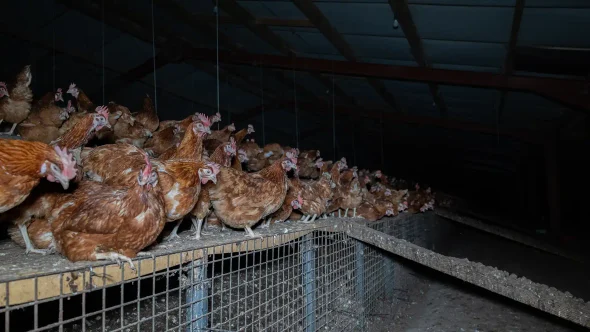
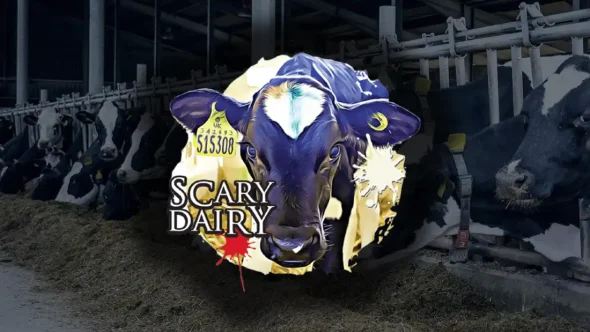
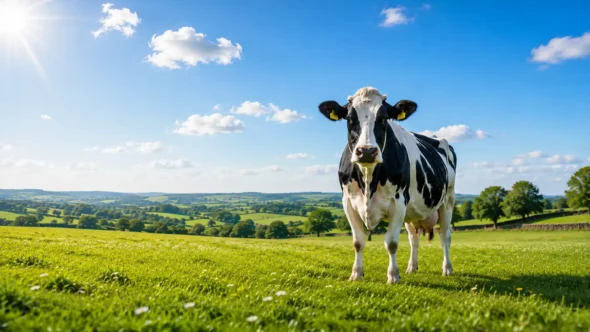
According to the UN’s Food and Agriculture Organisation (FAO), the global food system is responsible for around 35 per cent of human-caused greenhouse gas emissions, with animal agriculture the biggest single contributor, producing around 4.3 billion tonnes of emissions in 2023.
The environmental damage goes far beyond greenhouse gases. Clearing forests for animal grazing and growing crops to feed farmed animals destroys natural habitats, damages ecosystems, puts pressure on water supplies and contributes to biodiversity loss. Animal agriculture is the biggest driver of habitat destruction and wildlife decline worldwide.
Yet the food we eat and the way we produce it still receive far too little attention in international climate discussions.
Developing countries were also left without enough financial support to tackle climate change, despite suffering some of its worst effects while contributing the least to the problem.
Moving towards more plant-based food systems would make a significant difference. Eating more beans, lentils, nuts, fruit, vegetables and wholegrains, while reducing our dependence on animal products, would lower food-related emissions, reduce pressure on forests and land, protect wildlife and create a more sustainable food supply.
Making plant-based meals more accessible, affordable and appealing should be part of the global climate solution.
The next climate summit needs to be braver and more ambitious. We need a genuine commitment to move away from fossil fuels, provide meaningful financial support for the countries most affected by climate change and proper recognition of the environmental impacts of animal agriculture with a genuine commitment to reduce meat, dairy and fish consumption. We cannot tackle the climate crisis while ignoring one of the biggest contributors to it: our global food system. It’s time to put plant-based food firmly on the climate agenda.
In the meantime, you know what to do – go vegan for the planet, your health and the animals.

About the author
Dr. Justine Butler
Justine joined Viva! in 2005 after graduating from Bristol University with a PhD in molecular biology. After working as a campaigner, then researcher and writer, she is now Viva!’s head of research and her work focuses on animals, the environment and health. Justine’s scientific training helps her research and write both in-depth scientific reports, such as White Lies and the Meat Report, as well as easy-to-read factsheets and myth-busting articles for consumer magazines and updates on the latest research. Justine also recently wrote the Vegan for the Planet guide for Viva!’s Vegan Now campaign.
View author page | View staff profile