Putting Veganism on the Political Agenda

On the surface, veganism is often seen as a personal choice – a way of eating, a lifestyle choice, maybe even a health kick. But scratch beneath that surface and another picture emerges – one that is bigger, louder and far more urgent. Veganism isn’t just about what we put on our plates, it’s about politics, justice and the kind of world we want to live in.
For years, governments have talked about climate change, public health and social inequality yet the role of food – especially the malign impact of animal agriculture – rarely makes it onto the political stage. If we want to tackle the multiple crises of our age, that silence is no longer sustainable and veganism must move from the margins into the heart of political debate.
More than a diet
Political philosophers Alasdair Cochrane and Mara-Daria Cojocaru argue that veganism should be seen as a form of political activism, not simply a lifestyle. That distinction matters. If veganism is just a private choice, then its impact is limited to individual consumer decisions; if it’s a political choice, it becomes collective action and challenges systems that normalise and profit from animal exploitation.
That shift in framing allows for imperfection. Few individuals can live in a way that avoids all harm so when veganism is seen solely as a lifestyle choice, people often get stuck in endless debates about purity. Should vegans eat avocados, given their association with water-intensive farming and exploitative labour? What about almonds, which rely heavily on migratory beekeeping that harms bee populations? And what about plant-based burgers from fast-food chains that still make their money from selling animal products? These questions can tie the movement in knots and distract from the bigger picture.
A political understanding of veganism releases us from the impossible goal of moral perfection. It acknowledges that, in the world as it stands, some negative impact on animals is unavoidable. Crucially, it doesn’t excuse eating a bacon sandwich and still calling yourself vegan but it does move us away from purity tests that risk dividing rather than uniting people. What matters is not whether every individual action is flawless but whether collectively we are pushing for systemic change. Joining boycotts, supporting campaigns and pressing governments to act. These are the tools that give veganism real weight as a movement for progress rather than a checklist of personal choices.
Why politics? And why now?
There are three simple reasons veganism belongs in politics: the environment, human wellbeing and justice.
- The environment: animal agriculture is one of the biggest drivers of greenhouse gas emissions, deforestation and water pollution. Every serious climate strategy that ignores this is leaving a gaping hole
- Human wellbeing: plant-based diets are linked to better health outcomes and could ease pressure on healthcare systems. Shifting subsidies from meat and dairy to fruits, vegetables and pulses would make nutritious, healthy food more affordable and accessible
- Justice: beyond animals themselves, the system affects people – farmworkers exposed to dangerous conditions, communities living near factory farms and those struggling with food insecurity in a world where vast amounts of crops are fed to animals rather than people
Put simply, veganism intersects with almost every policy area governments say they already care about. Yet it rarely gets the attention it deserves.
What putting veganism on the agenda looks like
What does it mean to make veganism political? It’s not about telling everyone to go vegan overnight but more about reshaping the structures around us so plant-based choices are supported, accessible and normalised.
- Public institutions leading by example: imagine schools, hospitals and prisons routinely serving healthy vegan meals. This not only reduces costs and environmental footprints but also shows that vegan food is for everyone
- Fair subsidies: right now, millions of pounds go into propping up the meat and dairy industries. Redirecting some of the finance into plant-based agriculture or alternative protein production would start to level the playing field
- Policy recognition: national dietary guidelines and climate strategies should explicitly include plant-based diets. That recognition matters – it legitimises veganism as part of mainstream policy rather than as a fringe idea
- Innovation and jobs: supporting plant-based food industries creates new opportunities for farmers, entrepreneurs and researchers. A just transition can ensure workers in animal agriculture aren’t left behind but are supported into sustainable alternatives
Wider ripples of change
One of the most compelling reasons to politicise veganism is the ripple effect. Policies aimed at reducing animal agriculture rarely stop there and spill over into other urgent areas.
- Climate action becomes credible when food is included alongside energy and transport
- Healthcare costs shrink as plant-based eating reduces risks of chronic disease
- Biodiversity rebounds when land is freed from intensive livestock farming
- Food security strengthens as crops feed people directly rather than being funnelled into factory farms
This is the quiet power of vegan-aligned policy: it doesn’t just solve one problem but impacts many others.
Shifting the overton window
At the moment, calling for a plant-based transition at government level can feel radical. But political history is full of once-radical ideas that became common sense: universal healthcare, women’s suffrage, clean air laws. Veganism can follow the same path if enough people push the conversation forward.
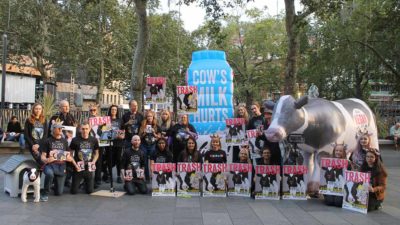
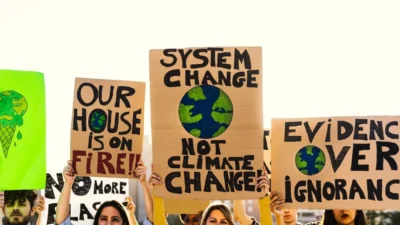
Campaigners are already doing this – lobbying for climate-friendly food policies and pushing local councils to serve vegan meals; challenging misleading food labels and highlighting the health benefits of being plant-based. Activists are widening what is politically possible and each success makes the next demand sound less extreme.
A political future worth fighting for
Putting veganism on the political agenda isn’t about shaming individuals or demanding overnight transformation, it’s about recognising the urgency of the crises we face and mobilising the tools only governments can wield to combat them – legislation, regulation, funding and leadership.
A ‘Green New Deal for Food’ could be within reach – one that links climate goals with dietary change, supports farmers through transition and guarantees healthy, affordable plant-based meals in public institutions. It’s not a dream – it’s a blueprint.
Conclusion
Veganism has always been about more than what’s on your plate. It’s about questioning systems that cause harm and building alternatives that nourish rather than exploit. Now, it’s time to take that ethos to the political stage.
The stakes could not be higher. Climate breakdown, biodiversity collapse, pandemics, food insecurity, animal suffering – they all intersect at our food systems. By politicising veganism, we aren’t just advocating for animals, we’re advocating for a healthier, fairer, more sustainable world.
Where there’s political will, there’s a way – and it’s time veganism found its way into the halls of power.

About the author
Rachel Higgins