How Pigs Are Farmed and Killed
Summary
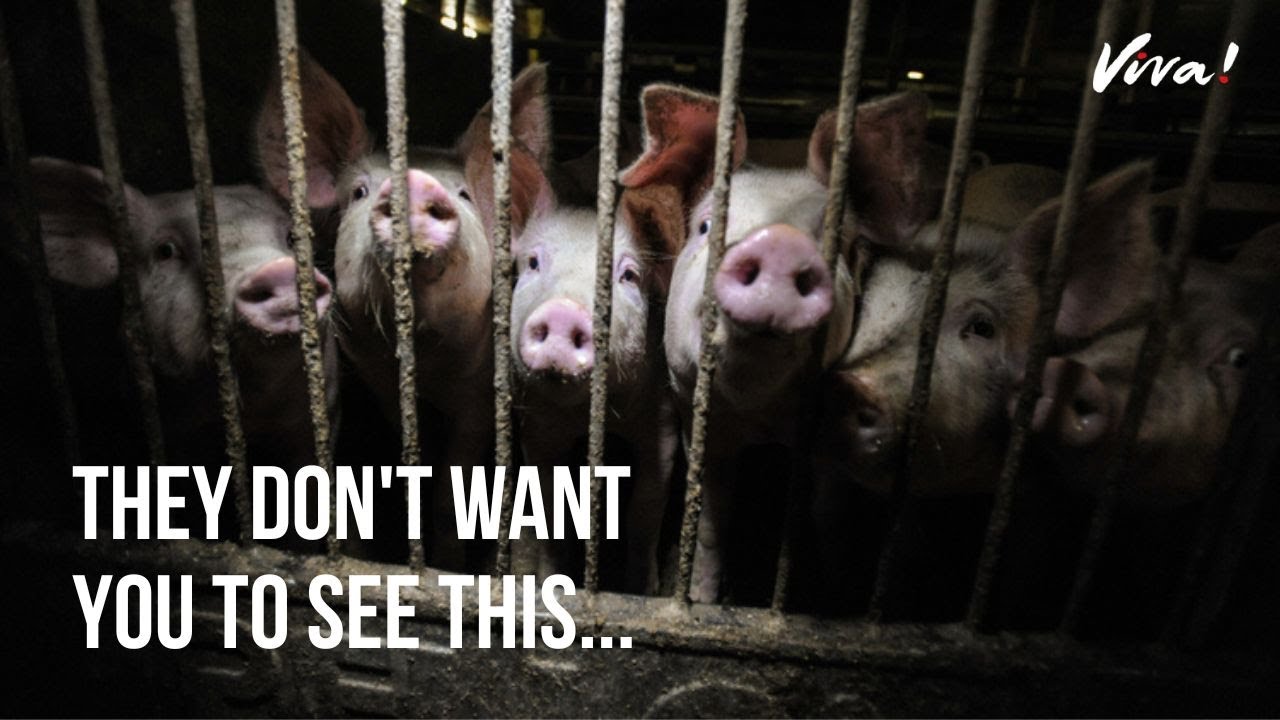
Pigs are one of the most intelligent, sensitive and social species on the planet. Just like us, they feel empathy for one another and form very strong bonds with their babies. Farming pigs in the way we do strips away their right to fulfil any of their natural instincts, their right to be free, to express their personalities, to love each other and form strong emotional ties within their close-knit family groups and, of course, ultimately their right to live at all. Rooting in the mud is replaced by snouts probing at bare concrete floors, whilst a sow’s lovingly made nest is replaced with a cold metal cage. The joy of motherhood is transformed into a production line.
The UK prides itself on having some of the best welfare of farmed animals in the world and yet there is nothing kind, or natural, about the way we farm pigs. Even for those ‘lucky’ few who get to be born outside, they still spend most of their lives in crowded, dark sheds to be gassed to death by the time they are just six months old.
The intensification of pig farming is increasing and diseases, injuries and its environmental impacts are also inevitably increasing, with dire consequences for pigs, people and the environment. There is one easy option that ensures you do not contribute to the death and suffering of these clever and fascinating animals and that is to go vegan.
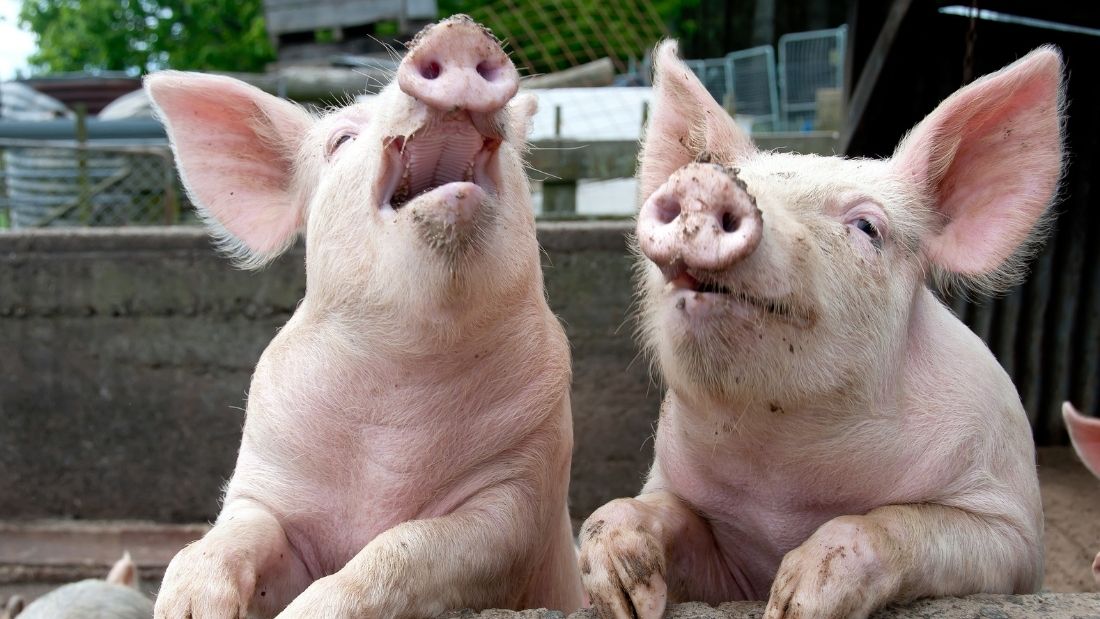
- Pigs are one of the most intelligent animals on earth. They are smart and, sometimes, smarter than dogs, primates, dolphins and even human toddlers. They can even learn how to play computer games!1Croney CC and Boysen ST. 2021. Acquisition of a joystick-operated video task by pigs (Sus scrofa). Frontiers in Psychology. 12, 631755.
- Pigs are incredibly playful and just like puppies, piglets will scamper, jump, hop, play-fight, push and run after each other!2Dudink S, Simonse H, Marks I et al. 2006. Announcing the arrival of enrichment increases play behavior and reduces weaning-stress-induced behaviours of piglets directly after weaning. Applied Animal Behaviour Science. 101, 86-101. 14.3Newberry RC, Wood-Gush DGM and Hall JW. 1988. Playful behavior in piglets. Behavioural Processes. 17, 205–216. Adult pigs will run and dance with joy when given the freedom to do so. They also wag their tails when they’re happy!4Masson JM. 2019. The Secret World of Farm Animals. Vintage Publishing. p26.
- Pigs are highly sensitive and emotional. They pick up on the emotions of other pigs in their group and can feel empathy for them in the same way as other socially complex species, such as dogs, wolves, great apes and ourselves5Marino L and Colvin CM. 2015. Thinking pigs: A comparative review of cognition, emotion, and personality in Sus domesticus. International Journal of Comparative Psychology. 28 (1) 1-22.6Reimert I, Bolhuis JE, Kemp B et al. 2013. Indicators of positive and negative emotions and emotional contagion in pigs. Physiology and Behavior. 109, 42-50.
- Despite their reputation, pigs are very clean and hygienic. Even a one-day-old piglet will leave the warmth of his or her mother to urinate away from the nest7Doherty J. 2010. The private life of pigs. BBC Two. https://www.bbc.co.uk/programmes/b00t4n5g
- Pigs have (almost) no sweat glands. With just a few on their noses, they find it difficult to regulate their temperature and that’s why, given the chance, they’ll roll in mud on a hot day to keep cool and protect themselves from sun damage
- A pig’s sense of smell is 2,000 times more powerful than a human’s; they can smell a human up to a quarter of a mile away and locate roots and tubers that are deep underground5Marino L and Colvin CM. 2015. Thinking pigs: A comparative review of cognition, emotion, and personality in Sus domesticus. International Journal of Comparative Psychology. 28 (1) 1-22.7Doherty J. 2010. The private life of pigs. BBC Two. https://www.bbc.co.uk/programmes/b00t4n5g
- Mother pigs ‘sing’ to their babies while nursing, making particular and continuous grunts which get faster until their milk stops flowing. Newborn piglets learn to run to their mum’s voice8Algers B and Jensen P. 1985. Communication during suckling in the domestic pig. Effects of continuous noise. Applied Animal Behaviour Science. 14, 49-61.
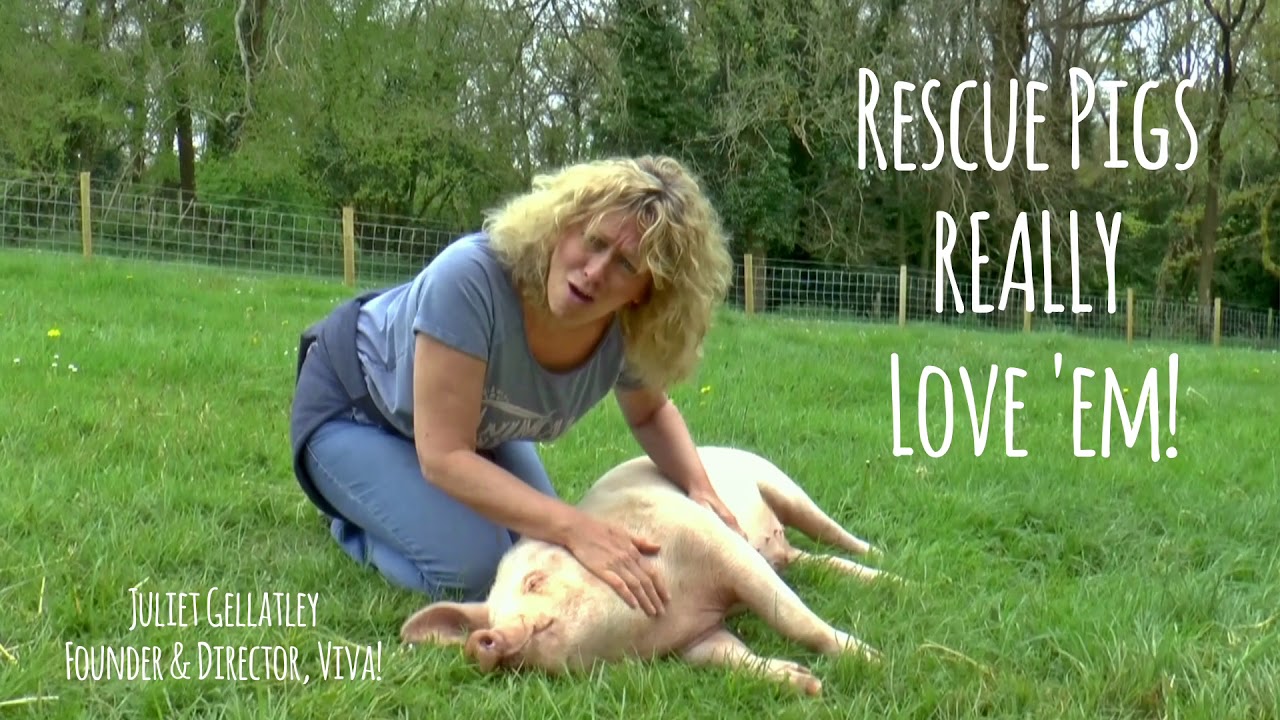
- Pigs are extremely tactile and love nothing more than a good back scratch, massage or belly rub!4Masson JM. 2019. The Secret World of Farm Animals. Vintage Publishing. p26.
The Intelligence of Pigs
Pigs are one of the most intelligent species on earth, alongside primates, dolphins and humans.1Marino L and Colvin CM. 2015. Thinking pigs: A comparative review of cognition, emotion, and personality in Sus domesticus. International Journal of Comparative Psychology. 28 (1) 1-22. They can even perform some tasks better than human toddlers!2BBC Earth. 2014. Smart Pigs vs Kids | Extraordinary Animals. https://www.youtube.com/watch?v=pkg3H6qGGBc
They can be taught to play computer games by using a joystick and in one study, outperformed dogs in manipulating a joystick to hit on-screen targets.3Croney CC. 1999. Cognitive abilities of the domestic pig (Sus scrofa). PhD dissertation, The Pennsylvania State University, State College, PA. 1-105. Just like dogs and dolphins, pigs can learn to carry out specific commands, such as fetching a ball and jumping through a hoop.4Cerbulis IG. 1994. Cognitive abilities of the domestic pig (Sus scrofa). Master’s thesis, The Ohio State University, Columbus, OH.1-108.
Only some animals can recognise their own reflection in a mirror – considered a sign of self-awareness. These include dolphins, bonobos, orangutans and elephants. However, pigs could potentially be added to this list too. In tests, piglets of just six weeks old used a mirror to locate food behind them that was only visible in the mirror, suggesting that they are aware of their reflection.5Broom D. 2010. Cognitive ability and awareness in domestic animals and decisions about obligations to animals. Applied Animal Behaviour Science. 126, 1-11.
Playful and curious
Pigs are social, playful and curious. Whilst farmed pigs may all seem to look very similar, they have individual personalities. In the same way as dogs (and all vertebrates), different pigs will often react differently to the same situation, depending on their personality.6Forkman B, Furuhaug IL and Jensen P. 1995. Personality, coping patterns, and aggression in piglets. Applied Animal Behaviour Science. 45, 31-42.7Gosling S and John OP. 1999. Personality dimensions in nonhuman animals. Current Directions in Psychological Science. 8, 69-75. One pig may be independent and tough, and another shy and sensitive.8Masson, JM. 2019. The Secret World of Farm Animals. Vintage Publishing. p.28-29.
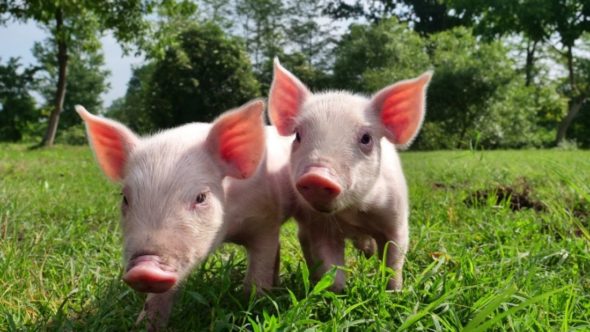
Just like puppies, piglets love to play and will chase each other, play-fight and play with objects like sticks and balls.1Marino L and Colvin CM. 2015. Thinking pigs: A comparative review of cognition, emotion, and personality in Sus domesticus. International Journal of Comparative Psychology. 28 (1) 1-22. Even adult pigs will joyously frolic in fields when given the opportunity. The compulsion to play is a sign of being able to reason and denying it leads to behavioural abnormalities in later life.
Pigs communicate with each other with different oinks, grunts and squeals for different situations, from saying ‘hello’ to a potential mate to warning others of danger and yelling ‘I’m hungry!’ They also use different types and frequencies of grunts, depending on their personality type, so no two ‘hellos’ are the same.9Friel M, Kunc HP, Griffin K et al. 2016. Acoustic signalling reflects personality in a social mammal. Royal Society Journal Open Science. 3 (6) 160178. It’s not just vocal communication either – pigs signal to each other through body language and scent-marking.
Their sociability allows pigs to pick up on each other’s emotions and feel a basic form of empathy. Pigs will visibly react to the ‘mood’ of others in their group, whether excited or distressed, even if they don’t know the cause.10Reimert I, Bolhuis JE, Kemp B Iet al. 2014. Emotions on the loose: emotional contagion and the role of oxytocin in pigs. Animal Cognition. 18 (2) 517-32. Domestic pigs have been known to come to the rescue of other pigs being harmed and there have been documented instances of farmed pigs trying to save one another from slaughter.8Masson, JM. 2019. The Secret World of Farm Animals. Vintage Publishing. p.28-29.11Lo T. 2018. Saving the bacon! Extraordinary moment pig tries to stop its friend from being slaughtered. Daily Mail, 22 January. https://www.dailymail.co.uk/news/article-5259419/Pig-rescues-friend-thats-slaughtered.html
Not only can pigs feel empathy with the joy or distress of other pigs, but they are intelligent enough to be able to manipulate one another when it serves their needs. Pigs have the ability to trick other pigs to protect their own food source, an indication of sharp minds seen in other highly intelligent creatures such as dogs, chimpanzees and jays.1Marino L and Colvin CM. 2015. Thinking pigs: A comparative review of cognition, emotion, and personality in Sus domesticus. International Journal of Comparative Psychology. 28 (1) 1-22.
Research shows that pigs have strong memories and can anticipate or worry about future events, responding differently to signals of positive or negative situations, which reflects their complex emotional awareness.12Imfeld-Mueller S, Van Wezemaela L, Stauffachera M et al. 2011. Do pigs distinguish between situations of different emotional valences during anticipation? Applied Animal Behavior Science. 131 (1-2), 86-93. They can also remember when someone has treated them well, can distinguish between familiar and unfamiliar human faces and will choose a gentle handler over an unfamiliar stranger using their sight, hearing and smell.13Hemsworth PH, Coleman GJ, Cox ML et al. 1994. Stimulus generalization: The inability of pigs to discriminate between humans on the basis of their previous handling experience. Applied Animal Behavior Science. 40, 129-142. They can even remember people that they’ve met up to three years earlier.8Masson, JM. 2019. The Secret World of Farm Animals. Vintage Publishing. p.28-29.
As foraging animals, pigs use ‘mental maps’ to search for objects or food. In studies, pigs could remember where food was hidden after two hours,14Mendl M, Laughlin K and Hitchcock D. 1997. Pigs in space: spatial memory and its susceptibility to interference. Animal Behaviour, 54, 1491-1508. and could remember objects for five days or more.15Gifford A, Sylvie Cloutier K, and Newberry RC. 2007. Objects as enrichment: Effects of object exposure time and delay interval on object recognition memory of the domestic pig. Applied Animal Behaviour Science, 107 (3-4) 206–217.
The intelligence of pigs is well documented and they are often considered to be the fourth most intelligent non-human animal in the world, following chimps, dolphins and elephants. Our knowledge about their intelligence, sensitivity and sociability contrasts sharply with the way that we treat them in commercial farming.
Pigs have the ability to think, feel, make decisions, remember and worry about future events. The more we learn about the inner lives of pigs, the more we realise that they experience the world in many of the same ways that we do.
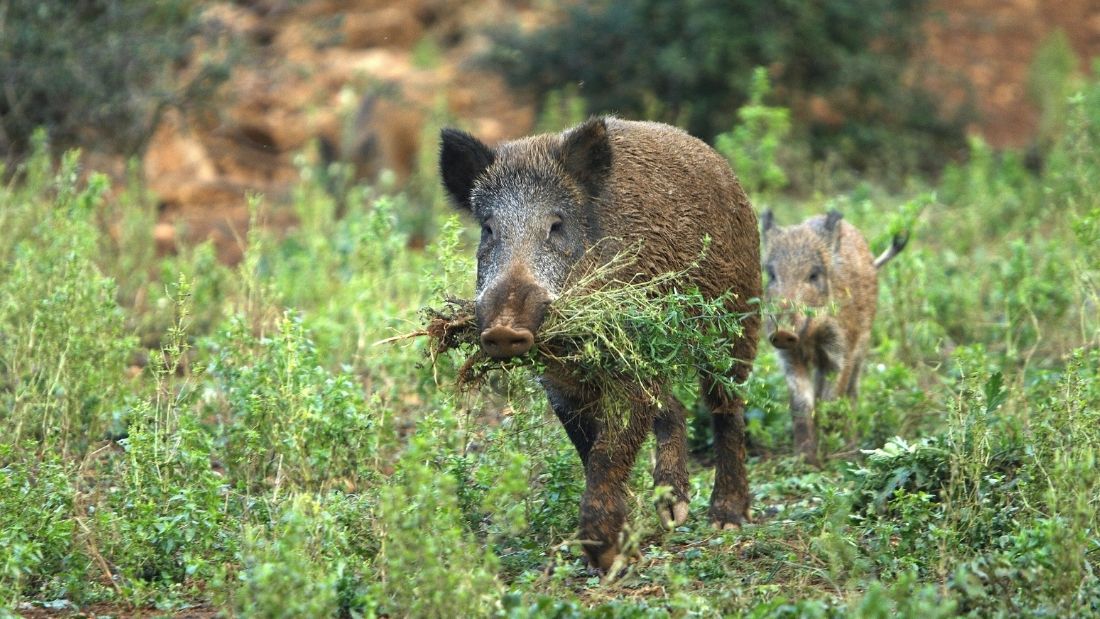
Domestic pigs have come a long way from their ancient past. They are descended from the huge group of Artiodactyls (even-toed ungulates) that includes hippopotamuses, camels, giraffes, antelopes, sheep, goats and cattle. They belong to the Suidae (swine) family. The pigs we see in farms today are most closely related to just one species of suid – the wild boar, or ‘wild pig’ (Sus scrofa).
Wild boar once roamed Europe, Asia, North Africa and the Malay Archipelago and their domestication first began over 10,000 years ago.1Caliebe A, Nebel A, Makarewicz C et al. 2017. Insights into early pig domestication provided by ancient DNA analysis. Scientific Reports. 7, 44550. There are now 16 subspecies of wild boar around the world, mainly living in parts of Europe, Asia and northern Africa.
Over time, there was much selective breeding between Asian and European boars for maximum growth, meat and reproduction but despite this, you can still see many wild boar traits in today’s domestic pigs.
Natural habitat
A wild boar’s natural habitat is moist forest and shrubland, especially oak forest and areas where reeds are abundant. Although they are naturally omnivores, around 90 per cent of their diet is made up of vegetable matter, such as fruit, seeds, roots and tubers.2Oliver W and Leus K. 2008. Sus scrofa. The IUCN Red List of Threatened Species. https://www.iucnredlist.org/species/41775/44141833
Rooting
‘‘Rooting’ is the word used to describe the natural foraging behaviour of pigs disturbing the soil or mud by pushing with their snouts in search of food. In the wild, they will push up roots and tubers to eat, turning over and churning up the soil as they do so.
Wild boar are wide-roaming and mostly active in the early morning and late afternoon. During sedentary periods, wild boars often return to familiar resting sites, but during nomadic phases – especially when disturbed by hunting – they may travel distances of up to 150 miles or more in search of suitable habitat and abundant rooting opportunities, highlighting how essential rooting is to their foraging strategy and survival.3Popczyk B, Klich D, Nasiadka P et al. 2024. Over 300 km Dispersion of Wild Boar during Hot Summer, from Central Poland to Ukraine. Animals (Basel). 14 (1) 170.
The rooting instinct is still just as powerful in commercially farmed pigs and Viva! has seen just how fundamental this is in the animals we have rescued. It is, of course, entirely denied in factory farms where pigs’ noses are met with concrete and slatted floors.
Birth in the wild
Wild boars live in groups called ‘sounders’, usually made up of six to 20 pigs. Adult males will only visit the sounder to mate, so sows travel in matriarchal units made up of one or two adult female sows and their litters. Males travel long distances to find females with which to mate and will fight rival males for mating rights.
A wild boar sow is usually pregnant for between 114 and 140 days, depending on her age. When she is about to give birth, she will leave the sounder to build a nest out of twigs and vegetation. Given the opportunity, you will see farmed pigs carrying out the same behaviour days before they give birth.
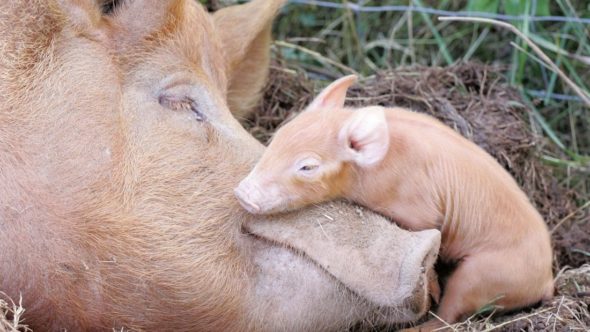
The average litter size in the wild is between four and seven piglets. When born, they latch on to a teat and within 48 hours will have established a ‘teat order’ and from then on, every piglet will stick to his or her own individual teat until weaned.4Masson JM. 2019. The Secret World of Farm Animals. Vintage Publishing. p46. Piglets are born with stripes on their backs to camouflage them from predators but these gradually fade out as they get older to be replaced with thick, wiry black fur.
Wild boars share maternal duties and if a sow dies prematurely, other sows in the sounder may suckle her babies.5Arnold LC, Habe M, Troxler J et al. 2019. Rapid establishment of teat order and allonursing in wild boar (Sus scrofa). Ethology, 125 (12) 940-948. Sows are very protective of their young and will charge predators that come close. You can still see this behaviour in domestic pigs when another animal or person comes too close to their litter.
Threats
Humans are, and have been for thousands of years, wild boars’ greatest threat. Throughout human civilisation, boars have been hunted for their meat and even today in much of Europe it is still legal to hunt them.
The grey wolf, coyote, black bear, brown bear, lynx, bobcat, cougar and jaguar are the wild boar’s main predators in most of their natural range throughout the world.
How long do pigs live in the wild?
The typical lifespan of a wild boar is between nine and 10 years but in captivity, such as in zoos, they can live for over 20 years as they have no predators.6Wickline K. 2014. Animal Diversity Web. Sus scrofa. https://animaldiversity.org/accounts/Sus_scrofa/
Wild Boar in the UK
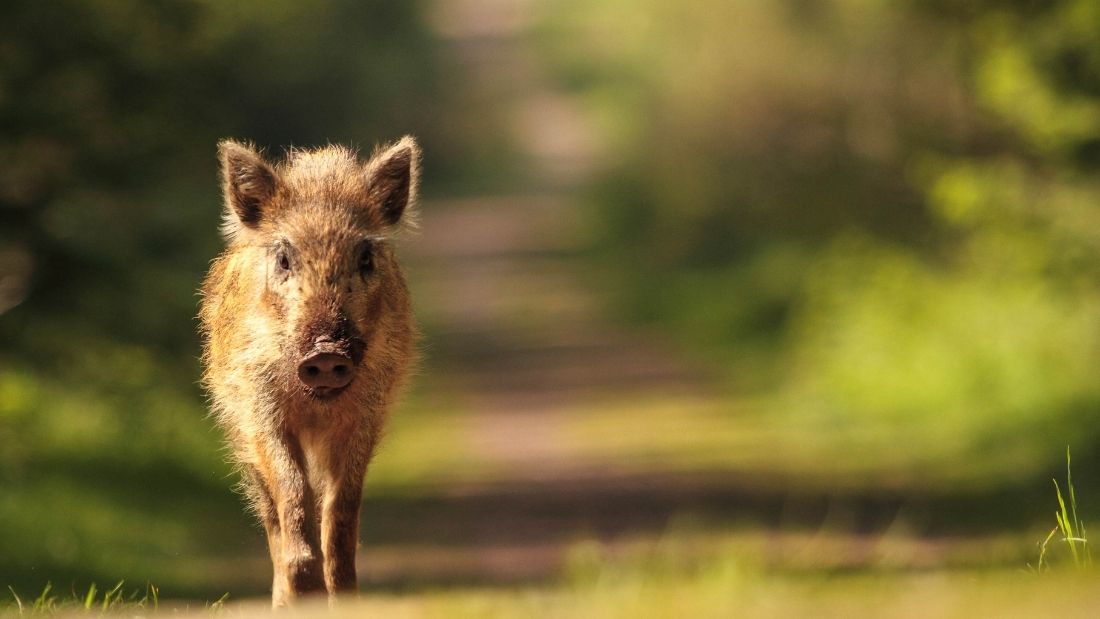
Wild boar once roamed the forests of Northern Europe and in the Bronze Age they were abundant in the UK. By the 17th century they had been hunted to extinction.
Incredibly, wild boar returned to the UK in the 1990s, mostly as a result of escaping from boar farms. There is now a population of around 2,600 wild boar living wild across the UK, with the largest colony in the Forest of Dean. They are also present in parts of south-east and south-west England, south-east Wales and north-west Scotland.7The Woodland Trust. 2025. Wild boar. https://www.woodlandtrust.org.uk/trees-woods-and-wildlife/animals/mammals/wild-boar/
Despite their very small numbers, there have been increasing calls for them to be culled in two of their most established habitats – the Forest of Dean in Gloucestershire and Stourhead Estate in Somerset. There are concerns about so-called overpopulation as well as reports of aggression towards dog walkers.
In producing the document Feral Wild Boar in England: An Action Plan, the UK government’s Defra commissioned risk assessments that included a review of public safety across Europe where significant numbers and densities of boar exist in the wild. That assessment concluded that “given their widespread distribution and substantial populations throughout much of their range, the risk of injury and attack is very small”.8Defra. 2008. Feral wild boar in England: An action plan. https://img1.wsimg.com/blobby/go/52f17869-2a6b-4a99-abe4-1d4d3057ecc3/downloads/1cv5v70tl_764952.pdf
Within the Forest of Dean, the experience of the Forestry Commission supports the conclusion of the risk assessment. Risks to public safety are most likely through injuries resulting from slipping or falling on paths damaged by boar rooting or dog walkers being injured whilst ‘rescuing’ their dog from a boar attack (although very few dogs were reported injured) rather than less common incidents such as road traffic accidents related to feral wild boar or horses spooked by their presence.9Dutton JS, Clayton HT and Evans SM. 2015. The Social Aspects of Wild Boar in the Forest of Dean. Report for the Forestry Commission by the University of Worcester.
Tragically, wild boar in the UK are hunted and shot. Since 2012, culling has been used in the Forest of Dean to limit the population to around 400 individuals. This has meant killing an average of around 420 wild boar each year.10Forestry England. 2025. More information about wild boar. https://www.forestryengland.uk/article/more-information-about-wild-boar
There is still small-scale free range farming of wild boar for meat in the UK. They are killed at around 18 months old and sold to independent butchers or charcuteries. Wild boar are classed under the Dangerous Wild Animals Act of 1976 and therefore anyone farming wild boar must have a special licence issued by their local authority.11HM Government. 2007. The Dangerous Wild Animals Act 1976. https://www.legislation.gov.uk/uksi/2007/2465
“What perplexes and angers me is the reason why the boar are being killed because I fear that it is a cruel mixture of intolerance and abject ignorance fuelled by some of the most idiotic scaremongering I’ve ever encountered . Why can’t residents find a passive solution to the boars presence? They do in France where I live, there these animals are an accepted and valued part of the community. Why when we perceive that wildlife has become a nuisance do we always reach for the gun rather than work towards a creative compromise? And why don’t journalists actually research their subject or consult experts rather than print ludicrously misleading horror stories? This ‘cull’ is a blight upon the reputation of the residents and managers of this beautiful part of the U.K. It’s embarrassing in a place that calls itself a lover of animals and damages our reputation as conservationists. The monsters in your midst are not the boar , they are all human.”
– Chris Packham, Wildlife TV presenter
Pigs are one of the most eaten animals on the planet, and one of the worst treated, despite being one of the most intelligent.
Across the world, over 1.5 billion pigs are slaughtered every year for meat.1FAOSTAT. 2025. FAOSTAT food and agriculture data 2023. https://www.fao.org/faostat/en/#home.
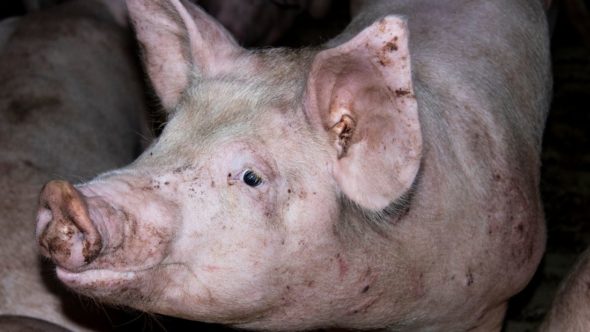
In the UK, the majority of pigs spend most of their lives indoors in massive, overcrowded sheds before they are slaughtered at around five to six months old. Breeding sows in the UK typically give birth to around two litters a year, usually about three to five litters over their lifetime. Older sows are replaced with young female pigs (gilts) after about five litters to keep the herd productive and maximise profit. This means that in the UK, many commercial breeding sows are sent to slaughter at around three years old when their fertility or productivity has declined.2AHDB (no date). Principles of pig production FAQs. https://ahdb.org.uk/principles-of-pig-production-faqs [Accessed May 8, 2026]
How many pigs are killed in the UK?
Over 10 million pigs are slaughtered every year in the UK.3Defra. 2025. Agriculture in the UK, 2024. https://www.gov.uk/government/statistics/agriculture-in-the-united-kingdom-2024/chapter-8-livestock#pigs-and-pig-meat The total pig population here is around 4.7 million, of which most are bred for meat and around 421,000 are breeding sows and boars.4Defra. 2025. Livestock populations in the United Kingdom at 1 June 2024. https://www.gov.uk/government/statistics/livestock-populations-in-the-united-kingdom/livestock-populations-in-the-united-kingdom-at-1-june-2024
Commercially farmed pigs in the UK are mostly hybrids – crosses of the Large White and Landrace breeds – selectively bred for their size, lean meat and their ability to produce large litters.
The scale of the UK pig industry
The largest pig farming business in the UK is Cranswick, which produces more than 36,000 pigs a week, translating to around one million pigs on farms at any one time.5Pig World. 2025. Cranswick grows pig production by 14%, as revenue and profits soar. https://www.pig-world.co.uk/news/cranswick-grows-pig-production-by-14-as-revenue-and-profits-soar.html at: https://assets.publishing.service.gov.uk/government/uploads/system/uploads/attachment_data/file/868541/structure-dec19-engseries-27feb20.pdf
There are around 10,000 pig farms in the UK.6AHDB. 2025. UK pig numbers and holdings. https://ahdb.org.uk/pork/uk-pig-numbers-and-holdings In 2019, 92 per cent of production came from about 1,600 so-called ‘assured farms’, many of which belonged to 10 corporate companies which accounted for around 35 per cent of breeding sows.7Collingbourne SJ. 2019. Conservation genetics of traditional and commercial pig breeds, and evaluation of their crossbreeding potential for productivity improvement. A thesis submitted for the degree of Doctorate of Philosophy. Writtle College, University of Essex, UK. [Accessed 25 May 2020]
Despite the number of pigs farmed in the UK, about 40 per cent of pig meat consumed in the UK is imported from other countries (mainly from the EU) rather than being produced domestically to meet national demand.8AHDB. 2025. Long-term global pig meat supply: Asia to drive growth to 2034. https://ahdb.org.uk/news/long-term-global-pig-meat-supply-asia-to-drive-growth-through-to-2034
Who oversees the pig industry?
The National Pig Association (NPA) is the trade body which oversees the interests of commercial pig farmers in the UK and is allied with the National Farmers Union (NFU) – the organisation that represents farm owners. The NPA represents the interests of pig producers within the NFU and works together with them in lobbying government, the supply chain and across the industry on behalf of pig farmers.
Red Tractor
The Red Tractor scheme is the UK’s largest food standards scheme, which supposedly assesses and assures over 42,000 arable and animal farmer members.9Red Tractor. 2025. About Red Tractor. https://redtractor.org.uk/about/ For animals, the scheme claims to offer an assurance of high welfare standards, which are maintained through regular inspections. Around 95 per cent of pigs slaughtered in the UK are thought to come from Red Tractor-assured farms.10AHDB. 2022. Review of the GB pig industry structure. https://assets.publishing.service.gov.uk/media/65f31d779d99de001103df26/Review_of_the_GB_Pig_Industry_Structure.pdf
However, Viva!’s exposés have proved over and over again that the Red Tractor scheme is woefully inadequate and is little more than a marketing ploy.
In our headline investigation into Hogwood (and other ‘assured’ farms) we uncovered systemic failures to protect the welfare of pigs, resulting in horrendous conditions and suffering.
The Life Cycle of Farmed Pigs
Breeding sows
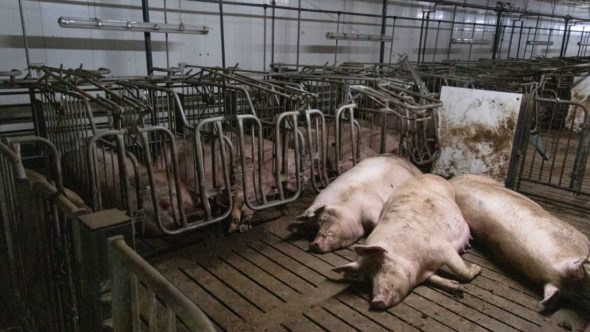
The experience of motherhood for most farmed pigs begins with the sow being restrained in a ‘rape rack’ and artificially inseminated with boar semen by a farm worker. This is usually done within four to seven days of her last litter being weaned – usually at three to four weeks of age. She will be stimulated into heat by having contact with a boar, often through a fence or bars. Once it has been deemed that she is ovulating, she will be artificially inseminated with boar sperm.
During artificial insemination of sows, a catheter is inserted into her vulva to deposit semen. To encourage her into a standing position, some farms use a ‘breeding saddle’ – a plastic frame that fits over her back and applies pressure to mimic the stimulus of a boar and thereby improve semen uptake and fertility. Up to 90 per cent of sows in the UK are artificially inseminated as it is deemed more productive and less likely to injure the sow or boar.
Farrowing
Farrowing is the name given to the process of giving birth in pigs. The cycle of continual farrowing for a sow begins when she is just six to eight months old – her role is to produce the maximum number of piglets.
Due to selective breeding, the average litter size of a commercially farmed sow in the UK is now 16 piglets per litter – meaning it is often bigger.11AHDB. 2025. Indoor breeding herd Key Performance Indicators (KPIs). https://porktools.ahdb.org.uk/prices-stats/costings-herd-performance/indoor-breeding-herd The top 10 per cent of UK herds, named by the industry as ‘hyper-prolific’, may give birth to 18 piglets a litter – one of the highest rates in the world; their close wild relatives, wild boar, have four to seven piglets in each litter.
Increased litter sizes mean that piglets are more likely to die before they are even born or before they are weaned. It also follows that the number of piglets born can often exceed the number of teats that the sow has – usually about 14. For this reason, ‘cross-fostering’ is commonplace, where piglets are adopted by another sow.12Pigworld.co.uk. 2013. Effective cross-fostering maximises rearing capacity. http://www.pig-world.co.uk/features/animal-health-features/effective-cross-fostering-maximises-rearing-capacity.html
A sow’s gestation period is typically around 115 days, often described as ‘three months, three weeks and three days’, and a week before she is ready to give birth, she will be moved to a farrowing crate in indoor systems, or a farrowing arc in outdoor systems.
What is a farrowing crate?
Farrowing crates are used in the UK for pigs from about one week before farrowing (giving birth) until the piglets are weaned, typically at four weeks old. It is a metal frame or cage only centimetres larger than the sow’s body, in which she will remain confined after giving birth to her piglets. In the crate, she is unable to turn around, can scarcely take a step forward or backwards and frequently rubs against the bars when standing up and lying down. Farrowing crates are used for around 60 per cent of all British sows.
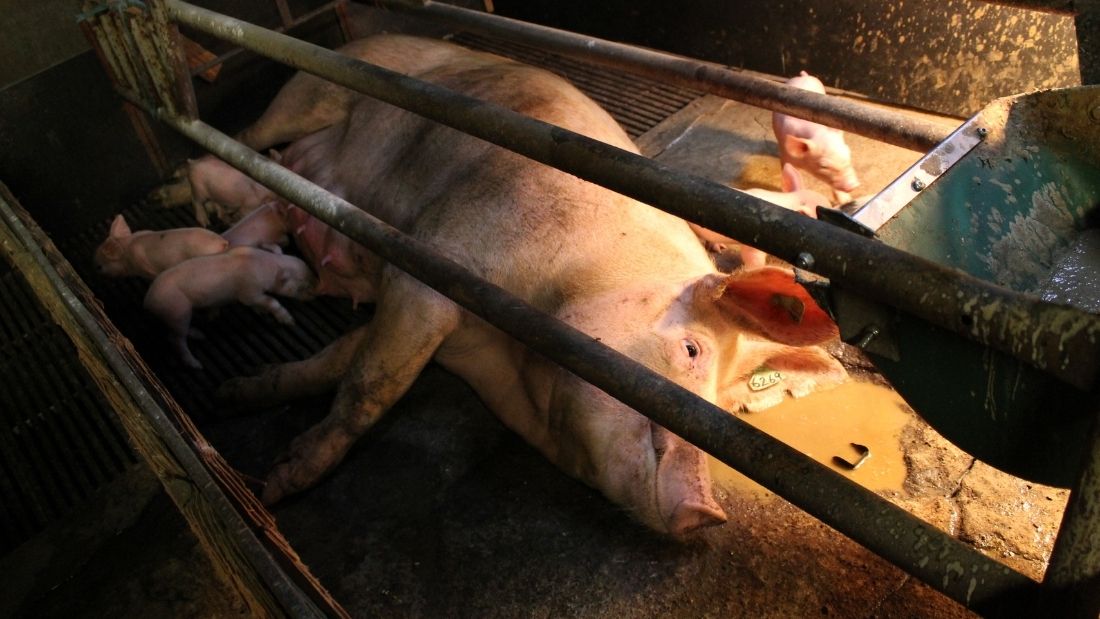
Sows are naturally active and would build a nest in the week before giving birth, yet in a farrowing crate, she can fulfil none of her natural nesting behaviours. When her babies are born, she is unable to mother or nurture them and they find it almost impossible to nestle beside her, other than to reach her teats for milk.
Newborn piglets have no ability to regulate their temperature and in a natural environment, the nest would provide the warmth they need. In intensive farming, it is provided by heat lamps inside the stall, which draw the piglets away from their mother’s side in the early days after birth.
The sow will remain like this for up to five weeks, until her piglets are artificially weaned at around 21 to 28 days.13HM Government. 2007. The Welfare of Farmed Animals (England) Regulations 2007. https://www.legislation.gov.uk/uksi/2007/2078/schedule/8
The pig industry says that the reason for using farrowing crates is to “protect piglet welfare and stock person safety”.14National Pig Association. 2024. NPA briefing on farrowing crates. https://nationalpigassociation.co.uk/wp-content/uploads/2024/08/NPA-briefing-on-farrowing-crates.pdf However, this is disingenuous as research shows that overall piglet mortality rates do not significantly differ between farrowing systems with or without crates. While outdoor piglets face a higher risk of being crushed, they have a lower risk of death from other causes, resulting in similar total preweaning mortality rates across systems.15Kilbride AL, Mendl M, Statham P et al. 2012. A cohort study of preweaning piglet mortality and farrowing accommodation on 112 commercial pig farms in England. Preventive Veterinary Medicine. 104 (3-4) 281-291.
Sow stalls
Until 1999, in the UK, sows had not only to tolerate the farrowing crate but, when not farrowing, had to spend their entire lives in other, equally restrictive cages called sow stalls. They were held captive for life – never able to turn around or interact with other animals, not even their babies. The only break in this imprisonment was when they were transferred from one type of cage to another.
In sow stall units it was common to see widespread stereotypic behaviour – the constant repetition of a pointless movement. It is a sign of mental collapse.
Although now banned in the UK, sow stalls remain legal and are commonly used across many parts of the world including most of the USA and Brazil. In the EU, sow stalls are still permitted for use during the first four weeks of pregnancy, including in many countries that export pig meat to the UK.16RSPCA. 2022. Welfare of pigs. https://www.rspca.org.uk/documents/1494939/7712578/FAD-Pigs-Information-Sheet-2022.pdf
They are used for similar reasons to the crate – for the convenience of the factory farm corporations. Stalls and crates stop the sow from turning around. They force her to face forwards, towards a feeder and watering device. Her manure will be deposited in a smaller location as her rear end is very limited in its range of motion as well. They are contraptions that enable a corporation to farm as many breeding females as possible in any given space.
The animals are treated as commodities, not living, feeling beings – it’s all about maximising profit.
Farrowing arcs
The 40 per cent of sows who are not placed in farrowing crates to give birth are kept outdoors and are provided with farrowing ‘arcs’ – individual units constructed of corrugated metal, usually in a field. She is free to come and go as she pleases, but her piglets are confined to the arc for the first two weeks. They will still be weaned too early, at three to four weeks old and the vast majority are moved to intensive indoor systems and never see their mothers again.
Almost all pigs (96 per cent), including those born outdoors, are moved to indoor accommodation for ‘finishing’ either immediately after weaning (often called an ‘outdoor bred’ system) or when they are around 10 weeks old (‘outdoor reared’). Only four per cent of growing pigs will spend their entire lives outdoors.16RSPCA. 2022. Welfare of pigs. https://www.rspca.org.uk/documents/1494939/7712578/FAD-Pigs-Information-Sheet-2022.pdf
This means that 96 per cent of pig meat comes from animals that have spent most if not all of their short lives indoors.
Death
In commercial pig farming, more than one in ten piglets (12 per cent) may die before they reach weaning age. Most deaths occur in the first few hours of life, either from crushing, starvation or hypothermia.
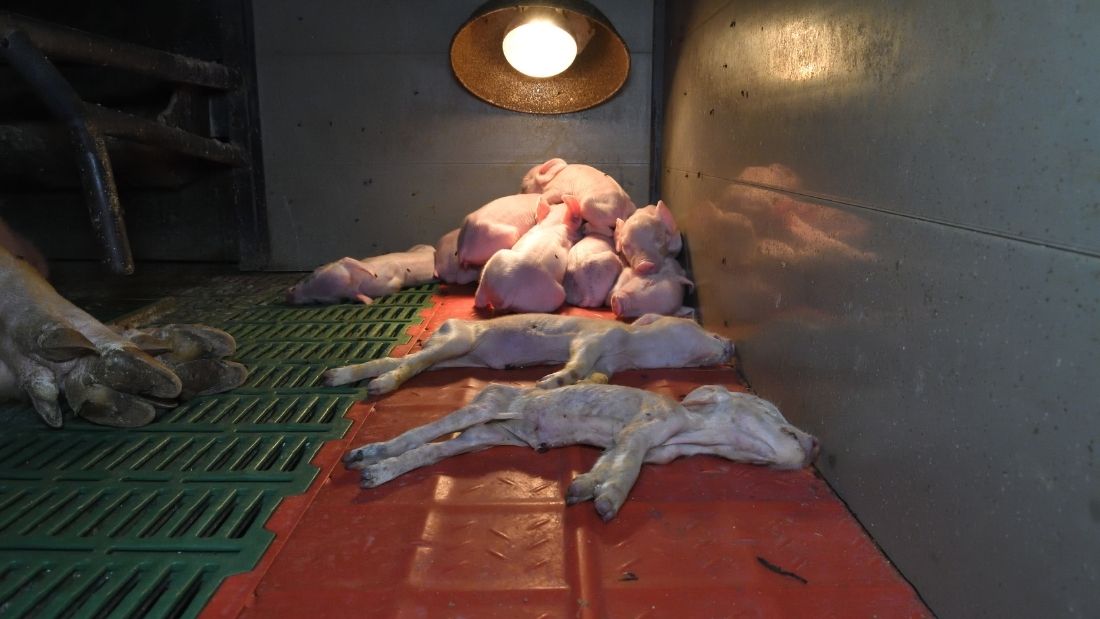
Intensive factory farming makes it virtually impossible to create a system that completely eliminates the death of piglets. Sows have been selectively bred to produce more than double the number of piglets they would naturally have and in sterile factory farm environments, they are unable to build nests to protect their young.
Sows in both indoor and outdoor systems are killed at around three years old, when they stop being productive and are sold for ‘low-grade’ meat.2AHDB (no date). Principles of pig production FAQs. https://ahdb.org.uk/principles-of-pig-production-faqs [Accessed May 8, 2026]
Weaning
Piglets are forcibly weaned off their mothers’ milk and on to solid food at around three to four weeks old (21 to 28 days).17AHDB. 2025. Establishing the weaned pig. https://ahdb.org.uk/knowledge-library/establishing-the-weaned-pig Naturally, a sow wouldn’t wean her piglets until they were at least 12 to 15 weeks old.
This early weaning not only causes emotional stress to both mothers and babies but can disrupt the piglets’ underdeveloped digestive systems. They do not yet have the digestive enzymes to cope with solid food and the result is often severe diarrhoea, known as ‘scours’. Not receiving essential antibodies from their mother’s milk also leaves piglets more susceptible to disease.
To prevent diarrhoea and disease, piglets may be given medications and antibiotics until they reach slaughtering age. Iron supplements are also given to replace the iron that would be passed down in their mother’s milk if she was able to root outdoors in soil.18The Pig Site. 2029. Supplying iron safely to pigs. https://www.thepigsite.com/articles/supplying-iron-safely-to-pigs
Piglets are subjected to mutilations before they are weaned. Tail docking (slicing off most of the tail) and teeth clipping (snapping off the four most prominent teeth) are carried out, supposedly to prevent damage to each other from aggressive behaviour as the pigs grow bigger.
Tail docking
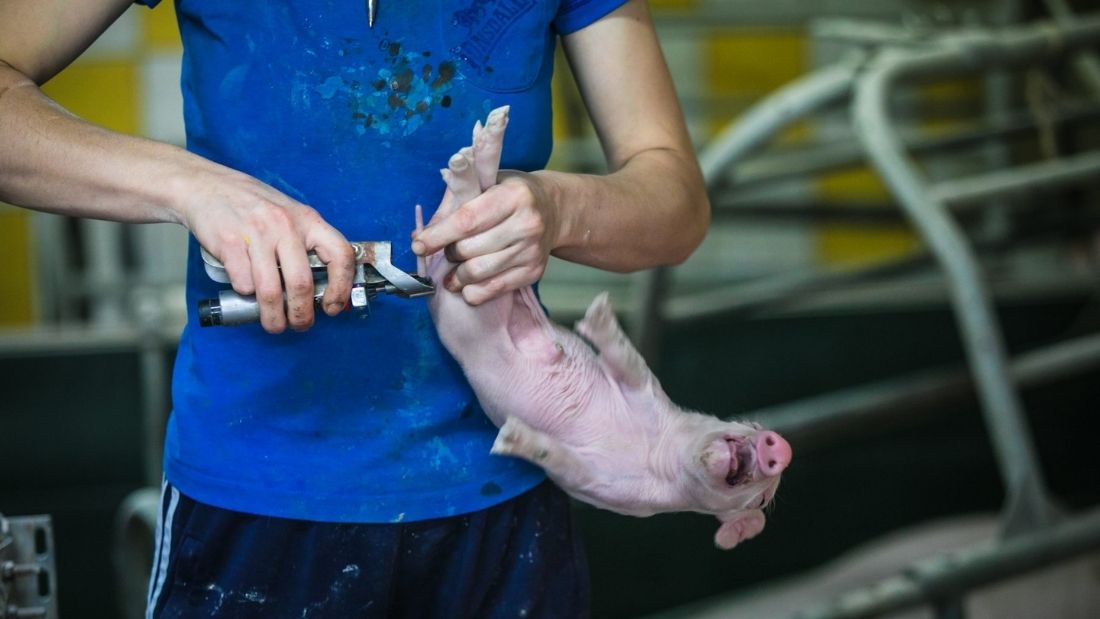
Photo: Andrew Skowron
Tail docking is where a large part of the piglet’s tail is removed using a scalpel, clippers or cauterising iron. It is usually done before a piglet is one week old when there is no requirement to use anaesthetics – but it still causes pain and distress.
It is done in an attempt to stop pigs from tail biting – a serious welfare issue in commercially farmed pigs. It often progresses from nibbling at the ends of a pen mate’s tail to biting off chunks, which can then lead to biting off the whole tail. Once blood is drawn, the behaviour escalates and can lead to cannibalisation.
Overcrowding, severe boredom and frustration, poor and monotonous diets and bad air quality in factory farms are thought to increase the likelihood of tail biting. It is not a behaviour seen in sanctuaries or in the wild.19Sonoda LT, Fels M, Oczak M et al. 2013. Tail biting in pigs – causes and management intervention strategies to reduce the behavioural disorder. A review. Berliner und Münchener tierärztliche Wochenschrift.126 (3-4) 104-112.
Even with tail docking, tail biting is still very common in factory farms. Viva! has uncovered multiple instances of severe tail biting and subsequent cannibalism.
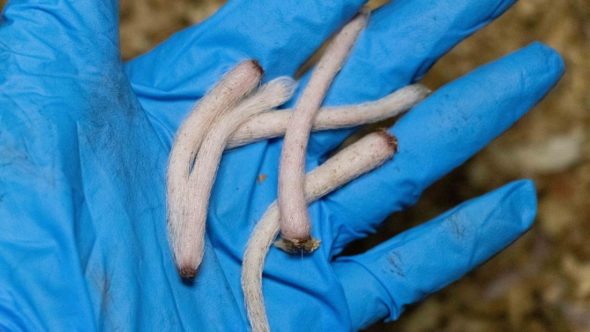
According to the pig industry, 70 per cent of pigs are tail docked in the UK,20Driver A. 2017. Pig World. Highlighting the differences – how UK welfare standards compare with our competitors. https://www.pig-world.co.uk/news/highlighting-the-differences-how-uk-welfare-standards-compare-with-our-competitors.html despite routine tail docking being against the government’s Code of Practice for the Welfare of Pigs.
However, despite this restriction, around 70 to 80 per cent of UK pigs and about 90 per cent of pigs across the EU are still tail docked.21McCulloch S. 2024. The veterinary profession must condemn intensive pig farming. Veterinary Record. 2024. 195 (8) 343. This is because a loophole in the law allows tail docking as a last resort, when other measures to prevent tail biting have proven ineffective.21AHDB. 2025. Tail docking and tail biting in pigs. https://ahdb.org.uk/knowledge-library/tail-docking-and-tail-biting-in-pigs This widespread practice raises serious welfare concerns, as it is painful and typically performed without anaesthetic.
Teeth clipping
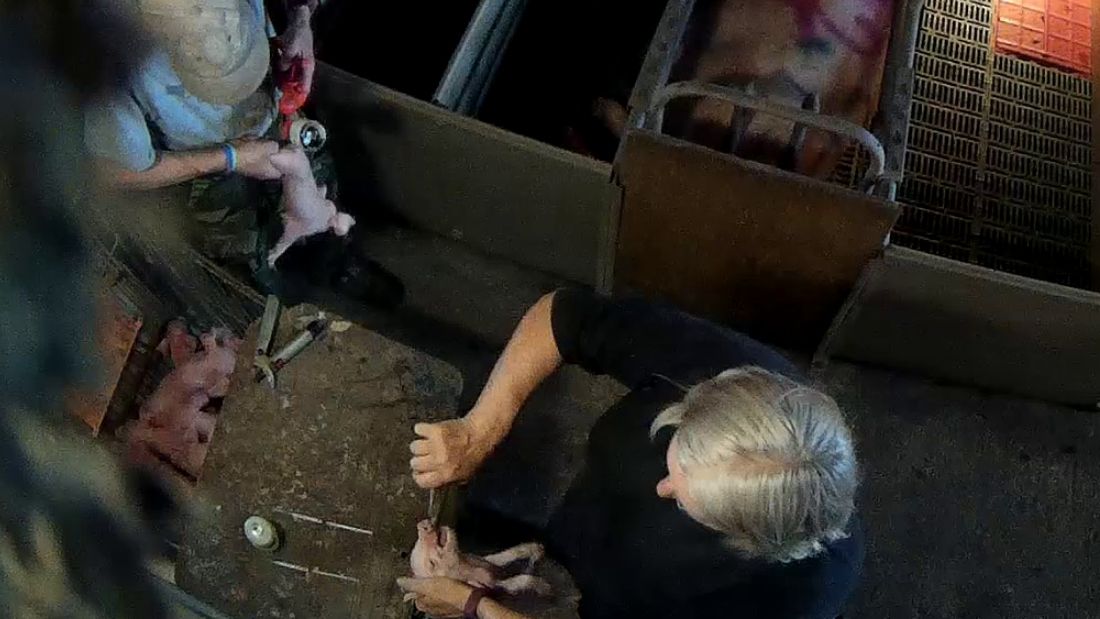
Teeth clipping can be carried out on newborn piglets to prevent their sharp teeth from damaging a sow’s teat during feeding. Their needle-like teeth are either snapped off with clippers or ground down to gum level, which opens the pulp cavity.
Studies confirm that tooth reduction causes acute pain and stress, especially if the pulp cavity is exposed, yet no anaesthetics or pain relief is given. When carried out carelessly it causes splintering of the teeth and damage to the gums, causing chronic pain and infection.
Teeth clipping is supposedly no longer permitted as a ‘routine’ procedure in the UK but, as with tail docking, it can be done when “measures to improve environmental conditions or management systems have first been taken to prevent tail-biting and other vices, but there is still evidence to show that injury to sows’ teats or to other pigs’ ears or tails by biting has occurred”.23Defra. 2023. Code of practice for the welfare of pigs. https://www.gov.uk/government/publications/pigs-on-farm-welfare/caring-for-pigs#mutilations
Despite this caveat, most piglets are mutilated in this way.
Piglet castration
Piglet castration without anaesthesia was traditionally performed to make the management of boars easier and to prevent ‘boar taint’ – where the taste of meat is spoiled by testosterone from a maturing animal. Because pigs are now slaughtered at such a young age, castration is uncommon in the UK.
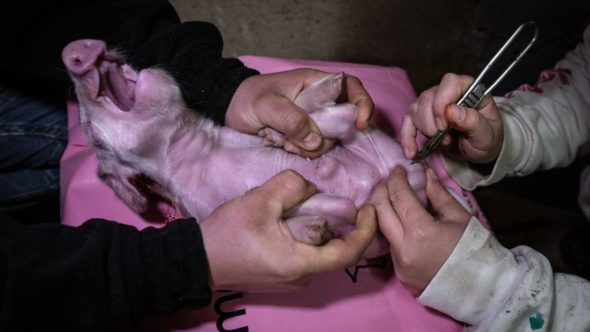
Photo: Konrad Lozinski
Growing sheds
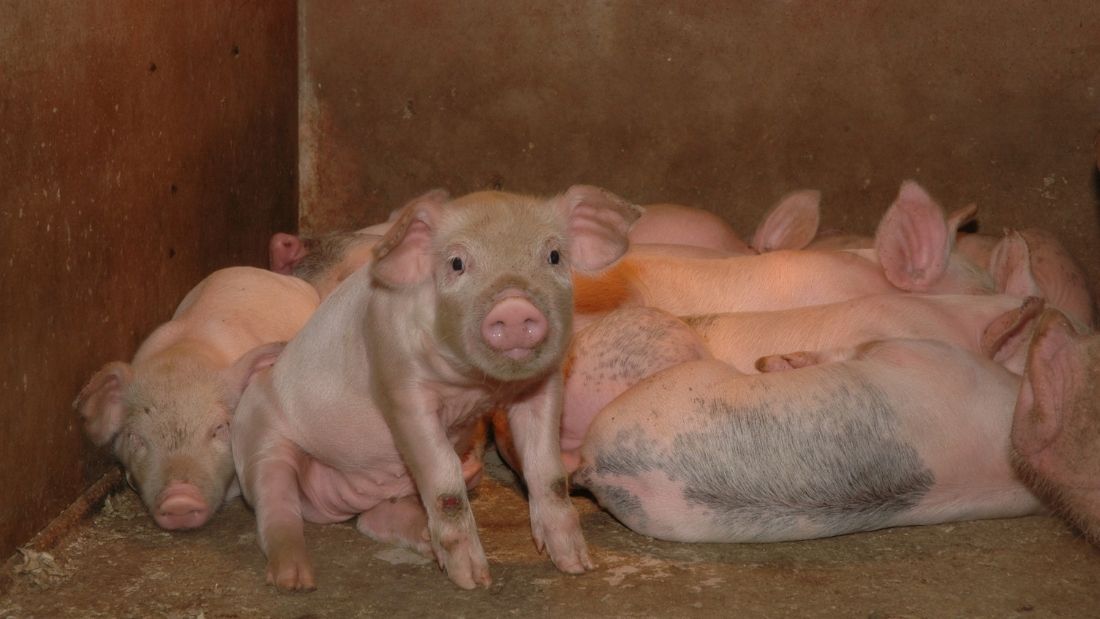
‘Weaner’ piglets are those newly taken from their mothers and kept with piglets from other litters in ‘growing sheds’, usually on barren, ‘flat deck’ floors with rough surfaces, until they are around 10 weeks old. These environments offer no stimulation and very little opportunity to play.
Like many young animals, piglets have a short attention span and play is very important to their development. Denying them the ability to play leads to behavioural abnormalities in later life.24Studnitz M, Jensen MB and Pedersen LJ. 2007. Why do pigs root and in what will they root? A review on the exploratory behavior of pigs in relation to environmental enrichment. Applied Animal Behaviour Science. 107, 183-197.
Finishing/Fattening
At around 10 weeks old piglets are moved from growing sheds to ‘fattening’ or ‘finishing’ sheds, where they will stay until they reach their final slaughter weight of 100 to 120 kilograms or more.
Almost all pigs, even if born outside, will be moved into indoor finishing sheds for fattening.
Both growing and finishing stages have one main objective – to grow pigs to slaughter weight as rapidly as possible. The most common type of housing for both systems is in controlled-environment buildings with fully or partly slatted floors where faeces can supposedly be flushed through.
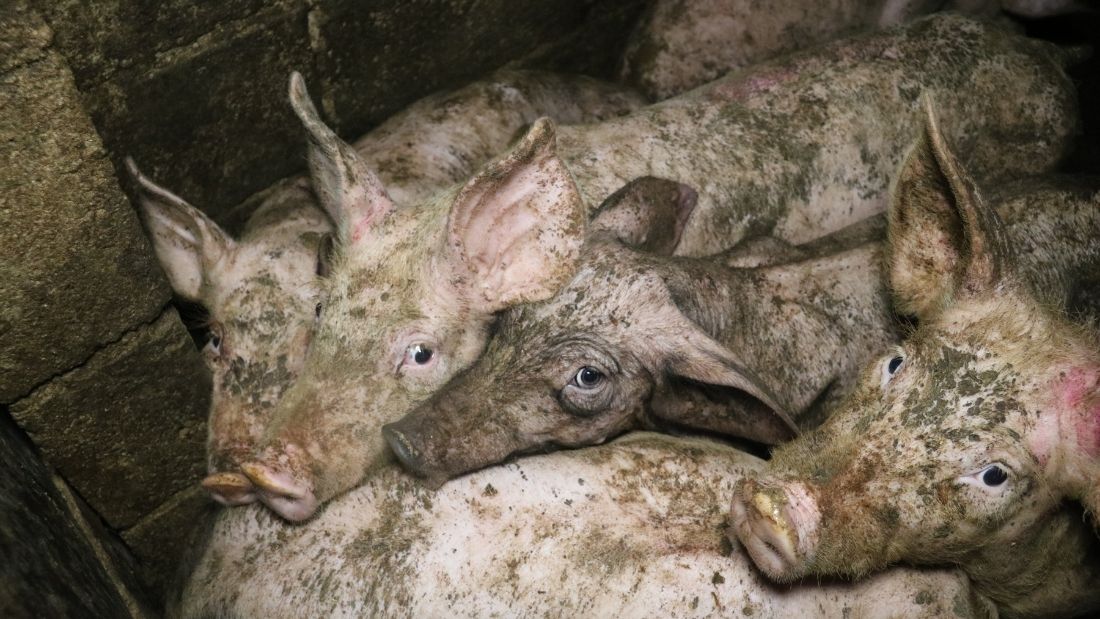
Although straw is recommended to enable pigs to carry out rooting behaviour, it is not used with fully slatted floor systems and so an estimated 30 per cent of pigs in finishing sheds are kept in barren conditions with no straw bedding and nothing that enables them to fulfil their natural instincts.25National Pig Association. 2024. NPA briefing on keeping pigs on slatted floors. https://nationalpigassociation.co.uk/wp-content/uploads/2024/08/Slatted-floors-briefing-June-2024.pdf
Crowding is usual, with as little as one square metre of space for fully grown pigs weighing 110 kilograms.13HM Government. 2007. The Welfare of Farmed Animals (England) Regulations 2007. https://www.legislation.gov.uk/uksi/2007/2078/schedule/8
There is no opportunity for them to wallow in mud as they would in the wild, so instead, they attempt to wallow in their own excreta, increasing the risk of disease transmission. As they are unable to lower their temperature naturally, temperature and air quality inside sheds are supposedly strictly regulated to prevent heat stress.
It is recommended that farmed pigs should be provided with ‘enrichments’ to allow them to carry out some of their natural behaviours, but these are usually minimal and just token gestures to satisfy recommendations such as a hanging chain inside their pen or an old football or a dirty plastic bottle to play with – items that lose their novelty value very quickly.
Such objects, therefore, do little to alleviate the stress of their unnatural and overcrowded environments and the result is frequently boredom, frustration and problematic behaviour such as tail biting, bullying and even cannibalism. Pigs are emotionally sensitive animals and when placed under extreme stress and confinement, they suffer.
The lives of all pigs bred for meat in the UK end at five to six months old.
‘Highest welfare standards’ – a sick joke
Despite the UK pig industry promoting itself as having some of ‘the highest welfare standards in the world’, only four per cent of pigs spend the entirety of their short lives outdoors.16RSPCA. 2022. Welfare of pigs. https://www.rspca.org.uk/documents/1494939/7712578/FAD-Pigs-Information-Sheet-2022.pdf
Two to three per cent of finishing pigs will be kept in free range outdoor systems until slaughter and just 0.6 per cent are farmed organically.20Driver A. 2017. Pig World. Highlighting the differences – how UK welfare standards compare with our competitors. https://www.pig-world.co.uk/news/highlighting-the-differences-how-uk-welfare-standards-compare-with-our-competitors.html
Around 30 per cent of indoor finishing pigs are kept in barren, crowded stalls with no straw bedding but just slatted flooring for their faeces to drop through.25National Pig Association. 2024. NPA briefing on keeping pigs on slatted floors. https://nationalpigassociation.co.uk/wp-content/uploads/2024/08/Slatted-floors-briefing-June-2024.pdf The remaining 70 per cent of indoor pigs are supposedly given straw bedding but unless it is changed regularly, it does little to improve their environment. Even with straw, they are still housed in crowded conditions with a minimum one metre squared per pig weighing 110 kilograms or just 0.65 square metre for each pig when the average weight is 85 to 110 kilograms.1313. HM Government. 2007. The Welfare of Farmed Animals (England) Regulations 2007. https://www.legislation.gov.uk/uksi/2007/2078/schedule/8
Intensive farms are on the rise
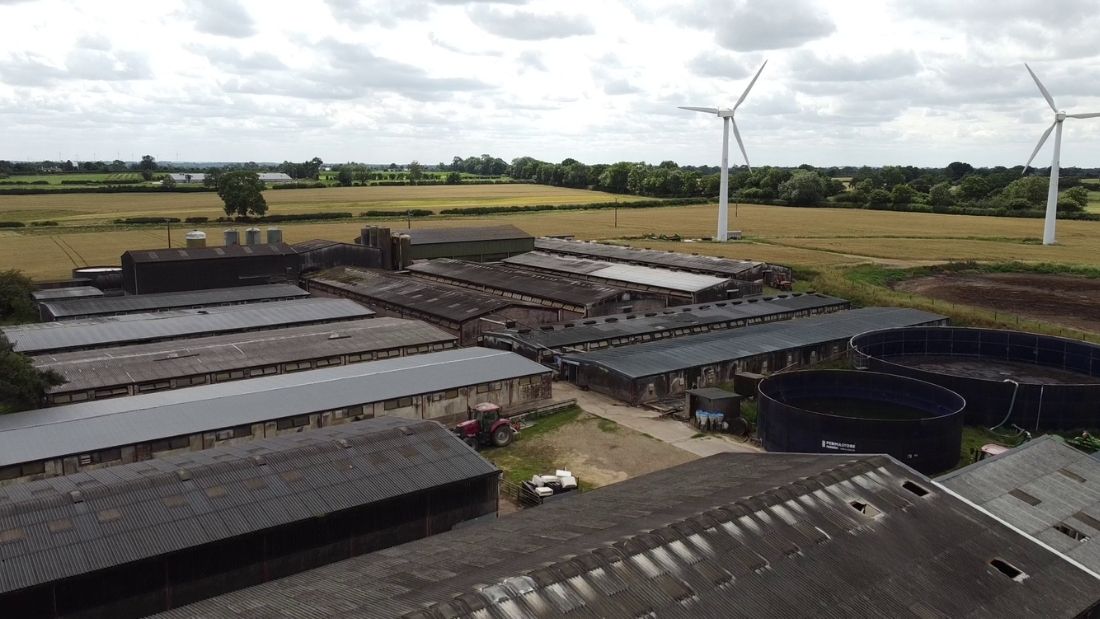
The UK environmental agencies classify livestock farms as ‘intensive’ if they have capacity to house at least 40,000 chickens for meat or eggs, 2,000 pigs for meat and/or 750 breeding sows.26Compassion in World Farming. 2025. Factory farming map. https://v7.ciwf.org.uk/our-campaigns/factory-farming-map/ These are sometimes referred to as ‘mega farms’.
According to an investigation by the Bureau of Investigative Journalism there were 1,674 large intensive farms (both pig and poultry) in the UK as of 2017.27The Bureau of Investigative Journalism. 2017. Intensive farming in the UK, by numbers. https://www.thebureauinvestigates.com/stories/2017-07-17/intensive-numbers-of-intensive-farming
Since then, the overall number of intensive livestock units in the UK has increased by a fifth (21 per cent) and it is estimated that just 10 large agribusinesses control the majority of these facilities, marking a shocking shift towards the industrialisation and automation of animal farming in the UK.28O’Mara L. 2025. Sustain. Shocking scale of UK megafarms exposed as court hearing may accelerate end of factory farming. https://www.sustainweb.org/news/may25-landmarkrulingssignalendofnewfactoryfarms/
These mega farms require special environmental permits and applications are often opposed by local communities, environmental groups and animal rights organisations. Viva! regularly opposes plans for industrialised farms, which often results in them being rejected by local councils.
Diseases
Diseases run rife in factory farms where overcrowded conditions, combined with the poor immune systems of stressed pigs, create a breeding ground for diseases and infections to spread.
Respiratory diseases are a huge problem for pig producers and enzootic pneumonia (constantly present) is estimated to affect 80 per cent of the UK herd.29AHDB. 2025. Enzootic pneumonia and EP-like lesions. https://ahdb.org.uk/knowledge-library/enzootic-pneumonia-and-ep-like-lesions Some diseases, such as pleuropneumonia, can kill up to 50 per cent of pigs infected.30 Porcine Respiratory Disease Complex (PRDC) is another common viral infection that weak, newborn piglets are particularly susceptible to.
Currently, African Swine Fever (ASF) is a pandemic in pigs and is the most significant threat to the global pig population seen in modern times. Between January 2022 and August 2025, ASF has affected some 68 countries, infecting over one million domestic pigs and 39,000 wild boars, with a total of 2.25 million animals dying or being culled to control the disease.30Dee S. 2024. Pleuropneumonia in pigs. MSD Manual Veterinary Manual. https://www.msdvetmanual.com/respiratory-system/respiratory-diseases-of-pigs/pleuropneumonia-in-pigs The disease, which causes fever, vomiting, bloody diarrhoea and blood clots to develop in the bloodstream, has a death rate of nearly 100 per cent.31WOAH. 2025. African wine fever situation report. https://www.woah.org/app/uploads/2025/10/asf-report-69.pdf
Foot and mouth disease is a highly contagious viral disease that spreads like wildfire among farmed cows, sheep, goats and pigs. In 2001, it led to farmers killing millions of their animals.
Swine flu
Diseases in pig farms aren’t just a threat to the pig population, they are also a threat to humans.
Swine flu is the popular name for a strain of the H1N1 influenza virus that was responsible for the flu pandemic of 2009 and 2010. It had an unusual mix of genetic sequences from bird, human and pig viruses. It arose following the mixing of live pigs through international trade, creating the ideal conditions for different viruses to mix with devastating consequences. Moving live pigs between Eurasia and North America facilitated the mixing of different swine flu viruses, leading to the genesis of this completely new one, never seen before.
The first cases were reported in Mexico and it then spread rapidly around the world , killing between 150,000 and 575,000 people in its first year, before a vaccine was developed.32Centers for Disease Control and Prevention. 2012. First Global Estimates of 2009 H1N1 Pandemic Mortality Released by CDC-Led Collaboration. https://archive.cdc.gov/www_cdc_gov/flu/spotlights/pandemic-global-estimates.htm Unlike other seasonal flu epidemics, 80 per cent of deaths occurred in people under 65 with the highest burden of infection occurring in those aged five to 24 years old. Swine flu has now joined the pantheon of other types of flu that lead to outbreaks every winter.
Injuries and death
Lameness is common in farmed pigs and can be caused by infection, injury or underlying diseases. These injuries often take the form of calluses, swellings, wounds and abscesses. Foot rot is a bacterial infection, made worse by the urine-soaked conditions on most shed floors and is another common problem that can cause ulcers and sepsis.
Viva! has exposed pigs suffering from extreme lameness, injury and abscesses in Red Tractor-approved farms.
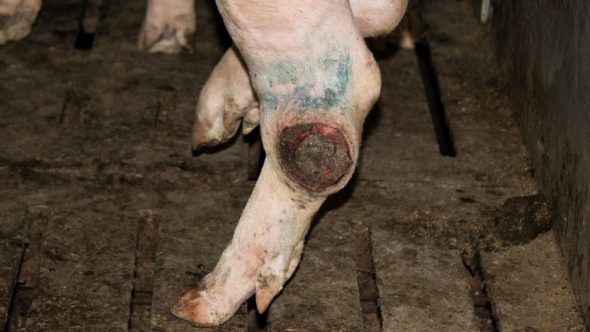
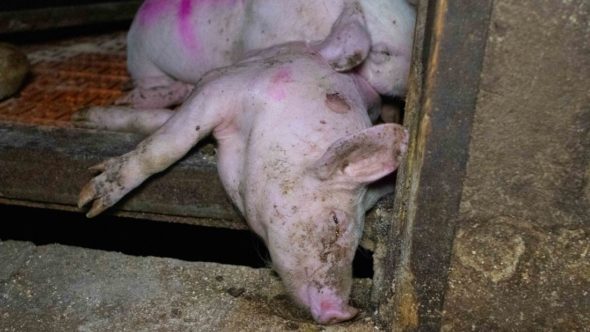
These conditions inevitably take a severe toll on some pigs and many die before even reaching slaughter age. Although sick pigs are supposed to be moved to separate pens, Viva!’s exposés have uncovered sick and dead pigs dumped in gangways, often for several days and sometimes left there to die.
Antibiotics in pig farming
Factory farms provide an ideal environment for diseases to spread; consequently, antibiotics are widely used in order to get pigs to slaughter age.
Until 2006, antibiotics were used in three distinct ways – to treat diseases (therapeutic), to prevent diseases (prophylactic) or in low doses simply to make animals grow faster (growth promoters). The use of antibiotics as growth promoters was banned by the EU (which also applied to the UK) in 2006 but using them to both treat and prevent diseases is still permitted.
The growth of antibiotic-resistant superbugs is now a global threat to health and in 2025, one in six bacterial infections worldwide was resistant to antibiotics, representing a sharp increase from previous years.33WHO. 2023. Antimicrobial resistance. https://www.who.int/news-room/fact-sheets/detail/antimicrobial-resistance The World Health Organisation says antimicrobial resistance (AMR) is one of the top global public health and development threats estimated to be directly responsible for 1.27 million global deaths in 2019 and contributing towards a total of five million deaths.
Despite the pressure on livestock farmers to reduce their antibiotic use due to the global threat of AMR, it is estimated that 70 per cent of all antibiotics worldwide are used in farmed animals, not people. Much of this use is routine and enables farmed animals, most often pigs and poultry but sometimes also cattle, to be kept in poor conditions where disease spreads easily.34Alliance to Save Our Antibiotics. 2023. UK government fails to ban routine farm antibiotic use risking public health. https://www.saveourantibiotics.org/news/press-release/uk-government-fails-to-ban-routine-farm-antibiotic-use-risking-public-health/
In the UK, antibiotic use in livestock has fallen by about 59 per cent since 2014, which is a good thing but shows how much we were using. Despite the reductions, antibiotic use in UK pigs remains over four times higher per pig than in Sweden, where animals are kept less intensively and routine antibiotic use is banned.35Veterinary Medicines Directorate and UK Health Security Agency. 2024. Executive summary Third UK One Health Report. https://www.gov.uk/government/publications/uk-one-health-report-joint-report-on-antibiotic-use-antibiotic-sales-and-antibiotic-resistance/executive-summary-third-uk-one-health-report
It is still permitted to use antibiotics to prevent disease in the UK and it is estimated that 75 per cent of farm antibiotic use is for group treatments.
The latest data suggests around one-third of all antibiotic use is used in animals (including companion animals – dogs, cats and horses). In 2023, 154.5 tonnes of antibiotics sold were used in farmed animals with the largest share, by far, going to pigs, then poultry.36World Organisation for Animal Health. 2024. Annual report on antimicrobial agents intended for use in animals. 8th Report. https://www.woah.org/app/uploads/2024/05/woah-amu-report-2024-final.pdf
Banned in the EU, UK and New Zealand, many countries (eg in the Americas, and Asia and the Pacific) still permit the use of antibiotics as growth promoters in farmed animals driven by the increasing global demand for meat.37World Organisation for Animal Health. 2024. Annual report on antimicrobial agents intended for use in animals. 8th Report. https://www.woah.org/app/uploads/2024/05/woah-amu-report-2024-final.pdf
Around 10 million pigs are slaughtered in the UK each year.1Defra. 2025. Agriculture in the UK. https://www.gov.uk/government/statistics/agriculture-in-the-united-kingdom-2023/chapter-8-livestock The vast majority – 90 per cent – are killed using a high concentration of CO2 in purpose-built gassing machines.2DEFRA. 2024. Results of the 2024 FSA Slaughter Sector Survey in England and Wales. https://www.gov.uk/government/publications/farm-animals-slaughter-sector-survey-2024
The minimum concentration of CO2 used is 80 per cent.3Gov.uk. 2022. Red meat slaughterhouses: restraining, stunning, killing animals. https://www.gov.uk/guidance/red-meat-slaughterhouses-restraining-stunning-killing-animals Exposure of conscious pigs to the gas must lead to loss of oxygen to the brain (anoxia). Pigs often violently struggle for up to 30 seconds before losing consciousness as the gas forms an acid on their eyes, nostrils, mouths and lungs and burns their insides.
The suffering this causes the pigs has led to calls for the practice to be banned. In 2020, EFSA (European Food Safety Authority) published a report on the welfare of pigs at slaughter. A panel of scientists concluded: “Exposure to CO2 at high concentrations (…higher than 80% by volume) is considered a serious welfare concern because it is highly aversive and causes pain, fear, and respiratory distress”.4Nielsen S S, Alvarez J, Bicout DJ et al. 2020. Welfare of pigs at slaughter. European Food Safety Authority Journal. 18, no. 6.
- Find out more about pig gassing in the UK
Almost all the remaining 10 per cent of pigs are stunned through electronarcosis,2Defra. 2024. Results of the 2024 FSA Slaughter Sector Survey in England and Wales. https://www.gov.uk/government/publications/farm-animals-slaughter-sector-survey-2024 where an electric current is passed through the brain of the animal. A device, a bit like a large pair of tongs, is used with an electrode on each of its two extremities. These electrodes are clamped on either side of the animal’s head and a current is passed through the brain, supposedly rendering the animal unconscious.
Many variables can go wrong – the current may be too weak, the slaughterer may not apply the electrodes to the correct part of the head or fail to hold them in the correct position for the required length of time to make the stun properly effective.
No matter which way they are stunned, the pig will then go through a process called ‘sticking’, where they will be hung up by their hind legs on hooks and have their throat cut until they bleed out (bleed to death).
If the stun has failed or is short-lived, the animal may regain consciousness before their throat is cut. Viva! has filmed this happening with both pigs and sheep.
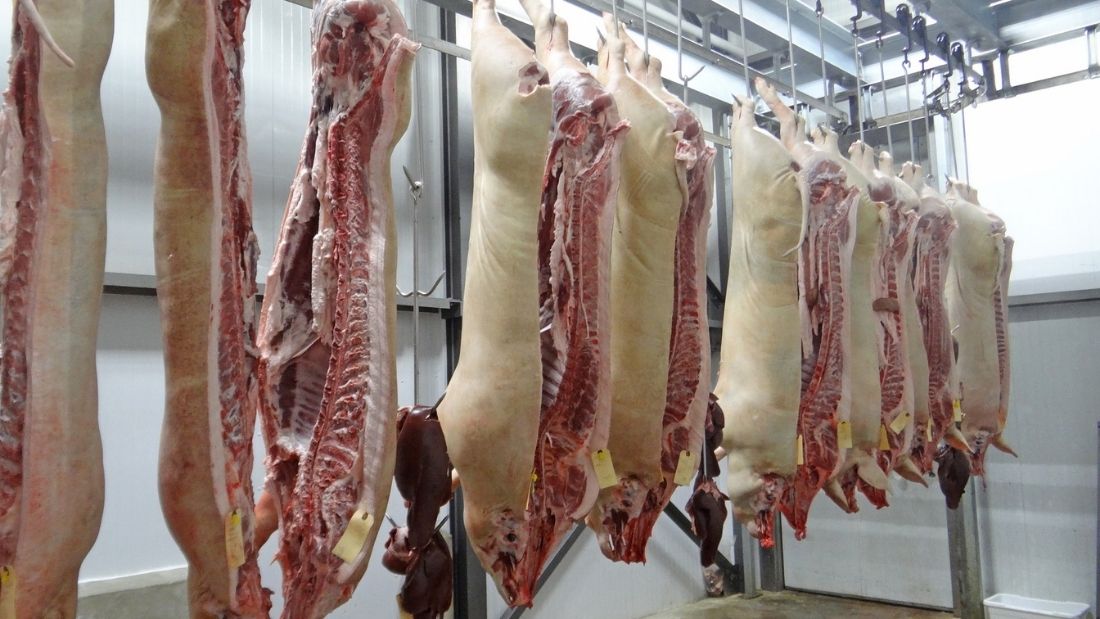
Where does British pig meat go?
Despite the number of pigs farmed in the UK, it is not self-sufficient in pork and imports around 40 per cent of its consumption, mainly from other EU countries. It is a two-way trade and in 2024, the UK exported 15 per cent of its pig meat to EU and non-EU countries.55. Defra. 2025. Agriculture in the UK, 2024. https://www.gov.uk/government/statistics/agriculture-in-the-united-kingdom-2024/chapter-8-livestock#pigs-and-pig-meat
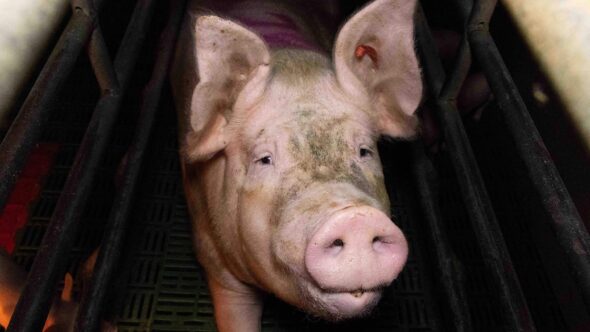
Campaigns and Investigations: Pig Farming
Read about our exposés, events and campaigns to save these bright beautiful animals.
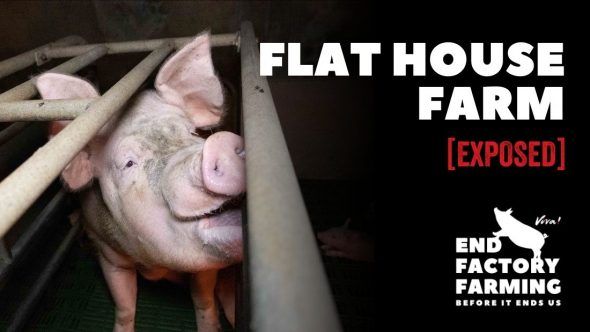
Investigation: Flat House Farm
Red Tractor suspends Flat House pig farm in Leicestershire, claiming to be ‘appalled’ by barbaric conditions captured by undercover investigators for Viva! Campaigns.
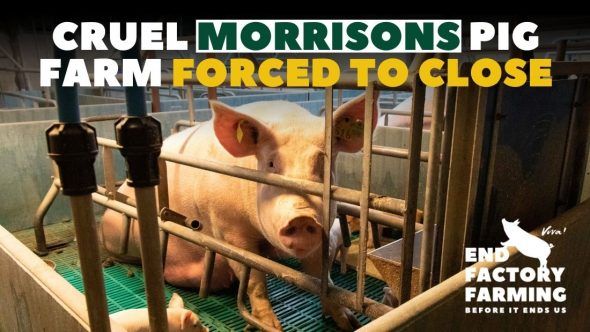
Investigation: Morrisons Pigs
Cruel Morrisons pig farm forced to close following Viva! investigation into Winterbrook Farm Partners.

Hogwood Horror Farm – Closed Forever
Between 2017 and 2019, Viva! uncovered a catalogued of cruelty, deception and marketing lies at Hogwood pig farm – turning the story into a multi-award-winning Netflix documentary. In 2026, the farm shuts its doors for good.
Face off: Pigs
Face Off is a nationwide campaign that challenges the British public to open their eyes to the realities of how animals are factory farmed. Take the challenge and watch our videos!
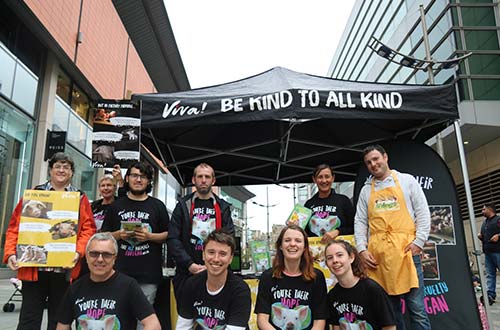
No Porkies: The Pig Industry
Do you love pigs enough not to eat them? After a successful year of running No Porkies street actions nationwide, we are looking for volunteers to run their own events in their local areas.
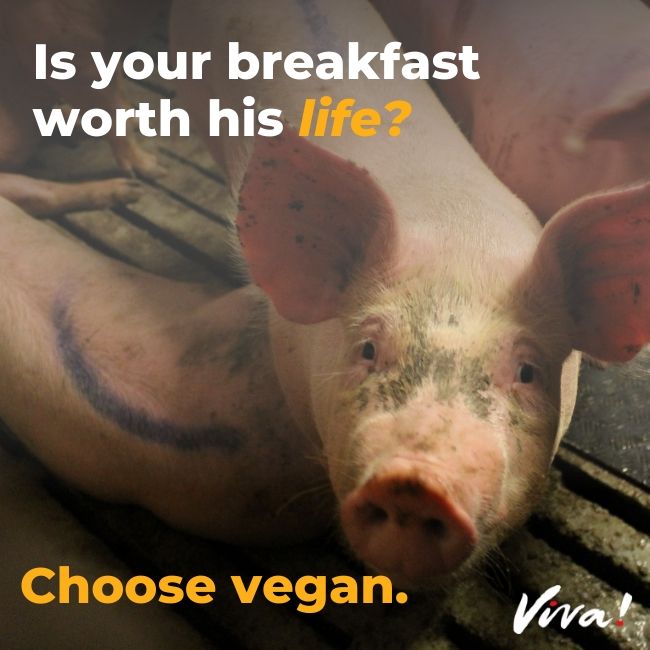
Is Your Breakfast Worth His Life?
Suggested caption: He will spend his life on a factory farm, forced to live with hundreds of other animals in their own filth with no access to the outside. He will be slaughtered before he is even a year old, all so people can eat meat. Is your breakfast really worth his life?
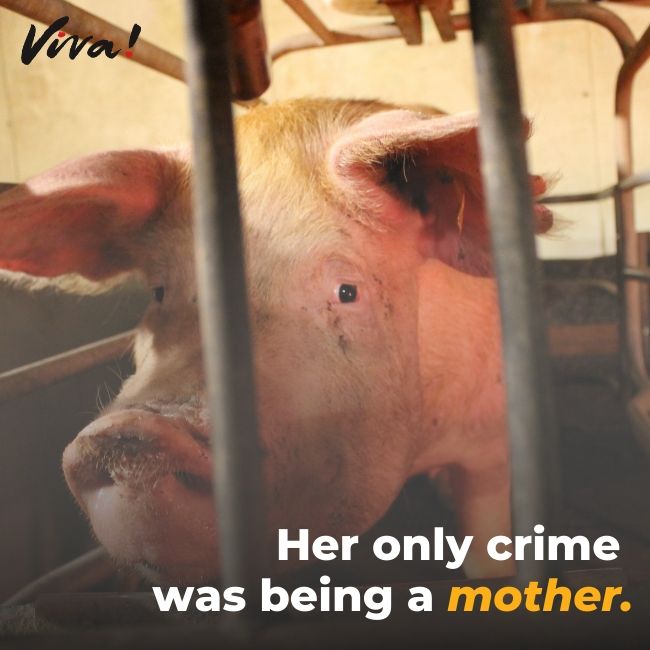
Her Only Crime Was Being a Mother
Suggested caption: Mother pigs are imprisoned in farrowing crates for up to six weeks on UK pig farms. The metal bars are so small she is unable to even turn around or properly bond with her new-born piglets. Choose freedom, choose vegan.
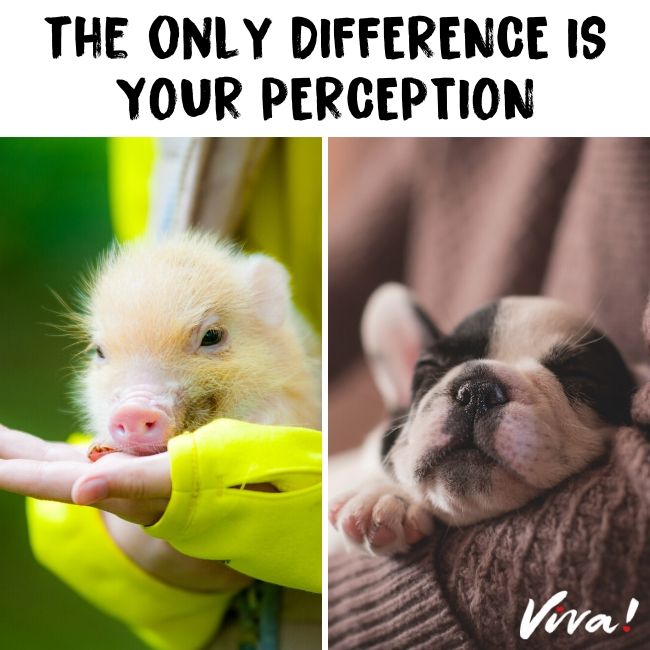
The Only Difference is Your Perception
Suggested caption: Both babies, both sentient, both deserving of love. Why love one but eat the other?
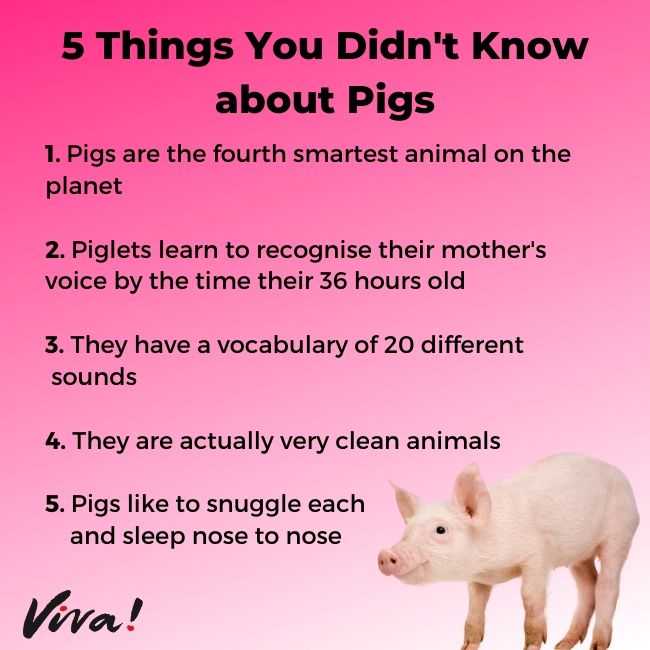
5 Things You Didn’t Know About Pigs
Suggested caption: Did you know that pigs are one of the smartest animals on the planet? They deserve respect and love just like every other animal. Choose vegan!