All You Need to
Know About Dairy
and Going Dairy-Free
Dairy did not become “part of British life” by accident. For decades, the industry and government-backed bodies have spent millions promoting milk and dairy as natural, wholesome and necessary.
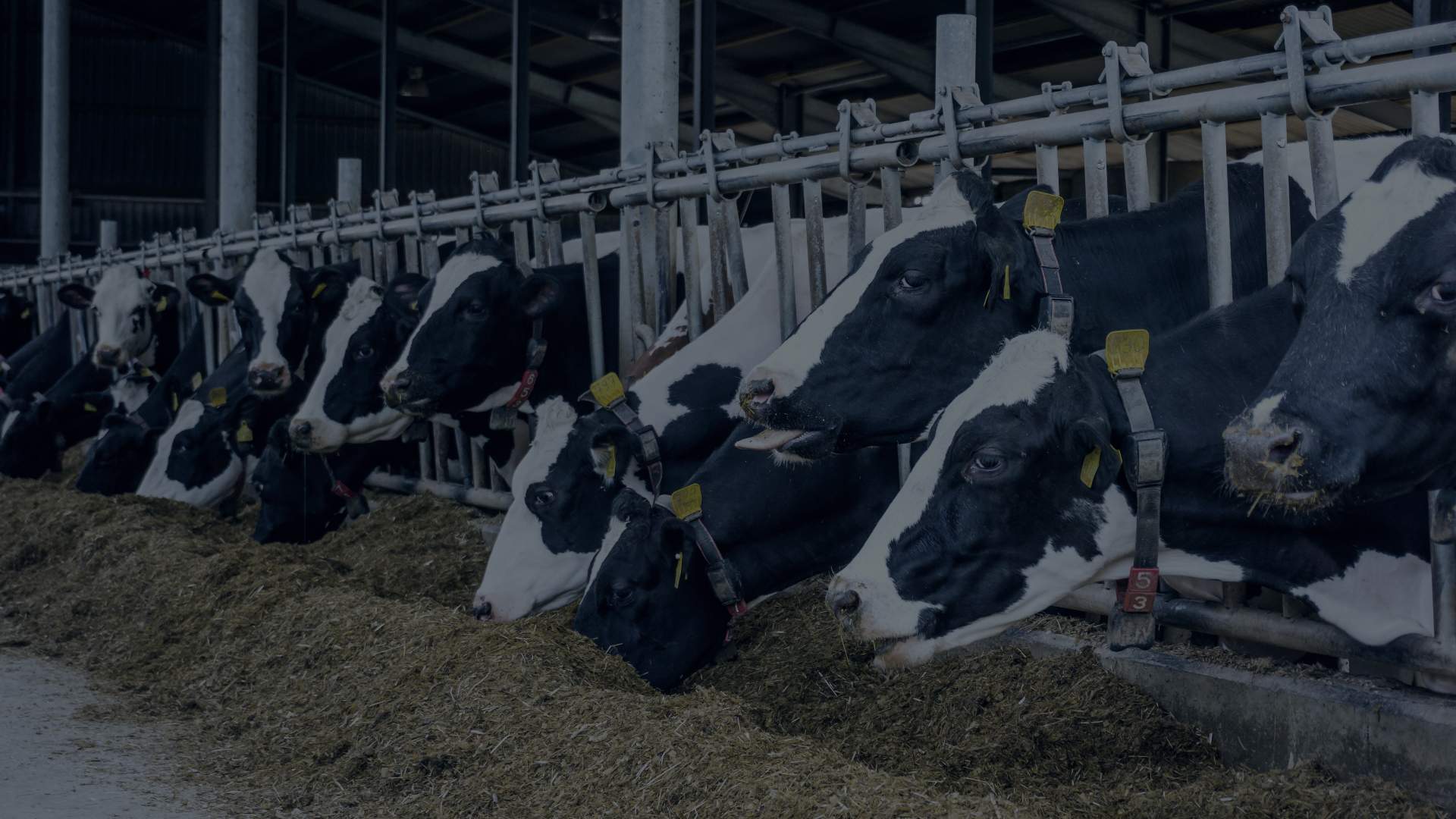
Yet many people remain unaware of the biological reality behind every glass of milk. Like all mammals, a cow produces milk only after becoming pregnant and giving birth. In modern dairy farming, she is forcibly impregnated again while still being milked, with the industry aiming for her to give birth approximately once a year.
Humans are the only species known to routinely consume milk beyond infancy – and the milk of another animal. Cow’s milk is made to nourish a growing calf, not a human, and dairy is not necessary for good health. Calcium, protein and other essential nutrients can be obtained from plant milks (most varieties contain around the same amount of calcium as cow’s milk, so check the label) and from a varied plant-based diet, without the animal suffering and environmental damage inseparable from dairy production.
The scale of the industry is enormous. The UK is one of the world’s largest milk producers, churning out around 15 billion litres every year, while the wider UK dairy market is estimated to be worth approximately £19 billion annually.
Around two million cows make up Britain’s milking herd. Although cow numbers have fallen considerably over recent decades, selective breeding and increasingly intensive production have driven individual yields ever higher. The average dairy cow now produces roughly twice as much milk each year as she did 50 years ago.
What Do You Really Know About Dairy?
Watch a powerful new Viva! documentary — exposing the health myths, industry spin and carefully crafted idyll concealing the truth about cows’ lives behind one of Britain’s most heavily promoted foods.
Through expert testimony, undercover and original footage, forensic scrutiny of industry claims and revealing conversations with the British public, Viva!’s documentary pulls back the curtain on dairy. It exposes what consumers were never meant to see, dismantles the myths we have been sold and asks a disturbing question: how much of what we believe about milk is actually true?
Why Go Dairy-Free?
Going dairy-free is a powerful act of kindness – for cows and calves, for your health and for our living planet.
No animal naturally drinks milk beyond infancy, still less the milk of another species. Yet dairy depends on repeated pregnancies, broken bonds and exhausted bodies, while placing a heavy burden on land, water and climate. We can nourish ourselves without taking what was made for another mother’s baby.
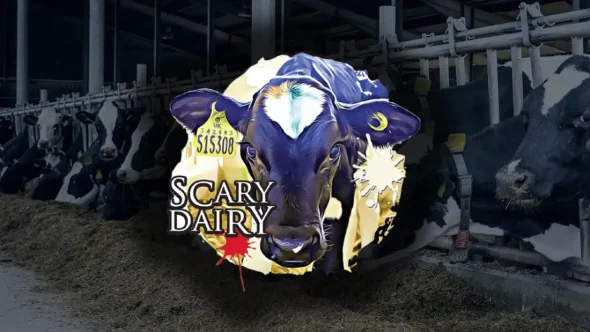
Viva!’s Dairy is Scary Cinema Ad Seen by ONE MILLION People!
Viva! produced this cinema ad to expose the stark truth at the heart of every dairy system.
A cow produces milk only after she has been forcibly impregnated, carried a pregnancy and given birth. But the milk made for her calf is taken for human consumption – and her baby is taken from her.
The Impact of Dairy
How Dairy Harms Animals
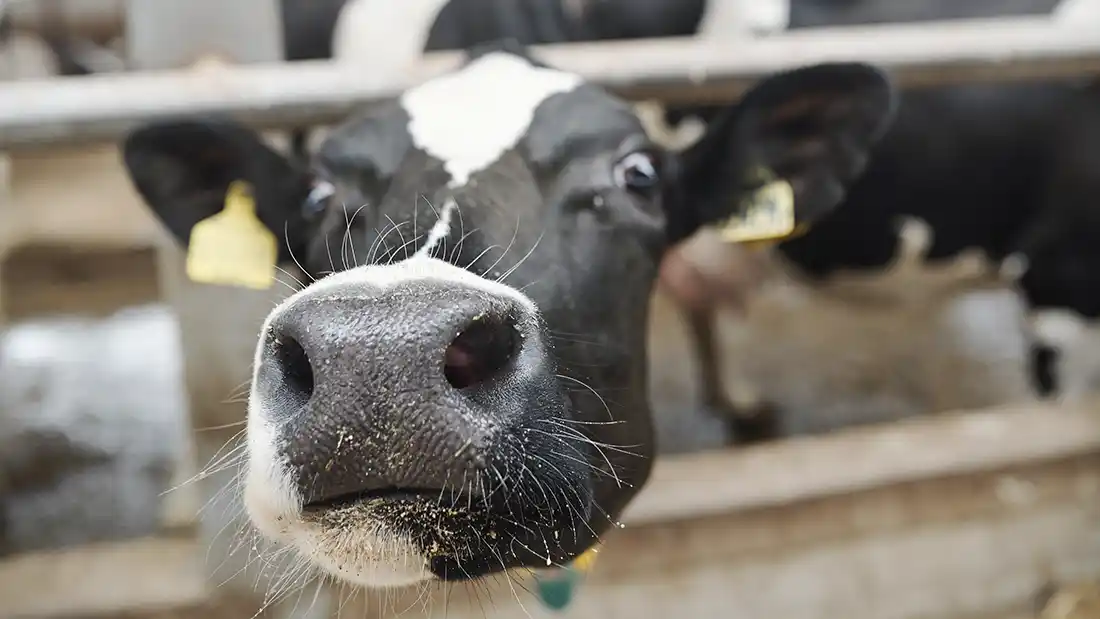
Dairy begins with pregnancy. A cow must give birth before she produces milk, so she is repeatedly impregnated throughout her short working life. Her calf is then taken away – often within hours – because the milk made for her baby is destined for sale. Female calves may enter the same cycle; males are commonly reared for beef or killed because they cannot produce milk.
The strain of repeated pregnancies and intensive milk production can leave cows suffering from mastitis, lameness, injury, weight loss and physical exhaustion. When their milk yield falls, usually at only five or six years old, they are deemed unproductive and sent to slaughter – a fraction of their natural lifespan.
How Dairy Harms Health
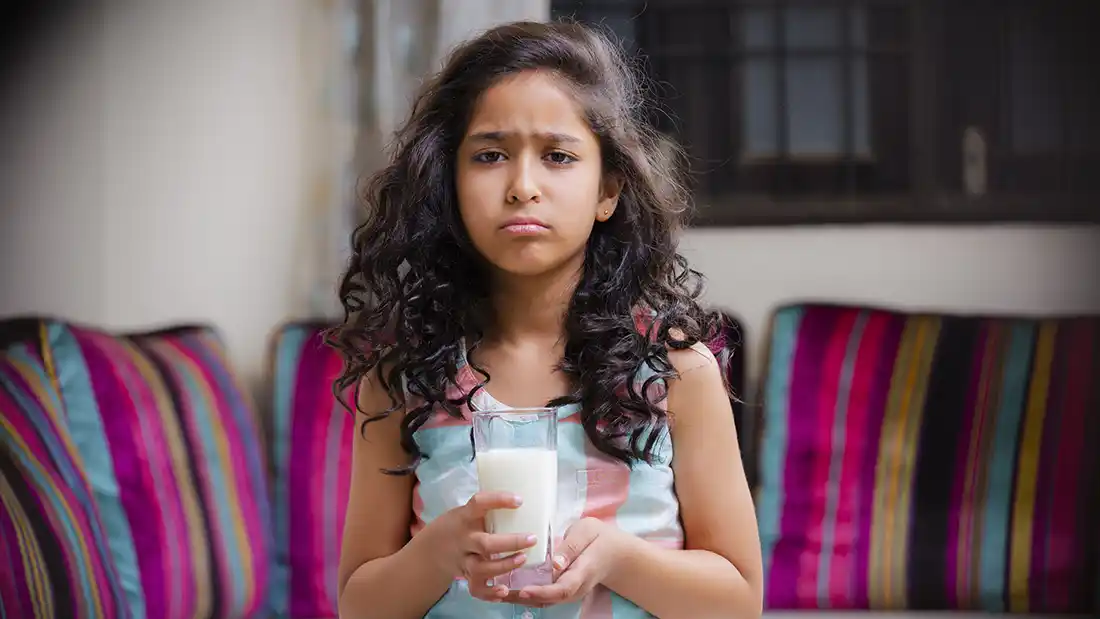
Humans are the only animals to routinely drink milk beyond infancy, and the only ones to drink the milk of another species. Cow’s milk evolved to grow a calf rapidly, not to meet the nutritional needs of an adult human.
Most of the world’s adults cannot fully digest lactose, while dairy products can also be high in saturated fat and are not essential for strong bones or good health. High dairy consumption has been linked to an increased risk of prostate cancer, potentially through its effects on hormones and growth factors such as IGF-1.
The nutrients associated with dairy, including calcium, protein and iodine, can all be obtained from plant foods, without the cholesterol, saturated fat and hormones found in dairy products. A varied plant-based diet can provide everything needed for healthy bones, muscles and bodies.

How Dairy Harms Our Planet
Dairy farming places a heavy burden on the climate and the natural world. Cows release methane, a powerful greenhouse gas, while producing their feed requires vast areas of land, crops, water and energy. Manure and fertilisers can also pollute rivers, damage soils and create air pollution.
Compared with plant milks, cow’s milk generally produces far more greenhouse gas emissions and requires much more land. Choosing dairy-free alternatives helps reduce pressure on forests, wildlife and freshwater – leaving more space for nature and moving us towards a kinder, more sustainable food system.
How to Be Dairy-Free
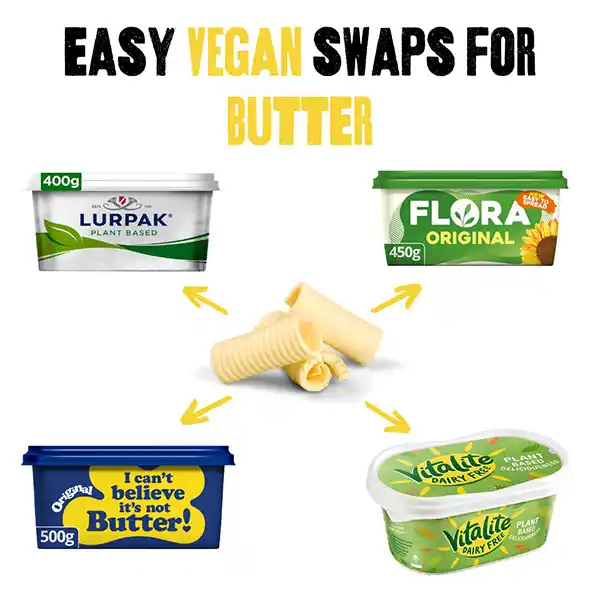
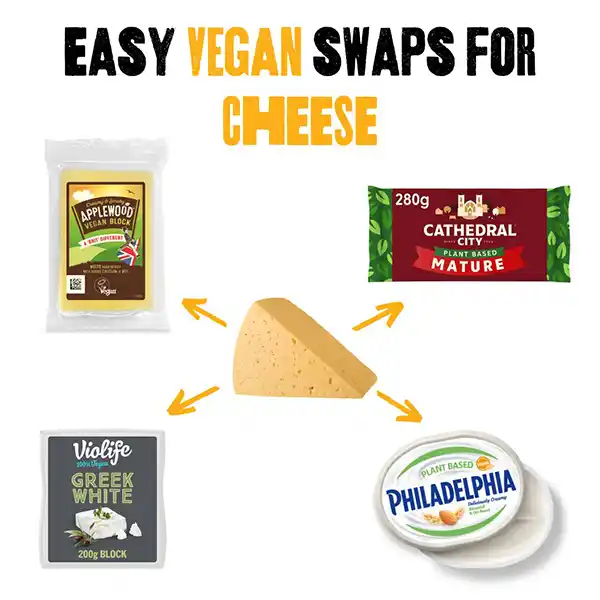
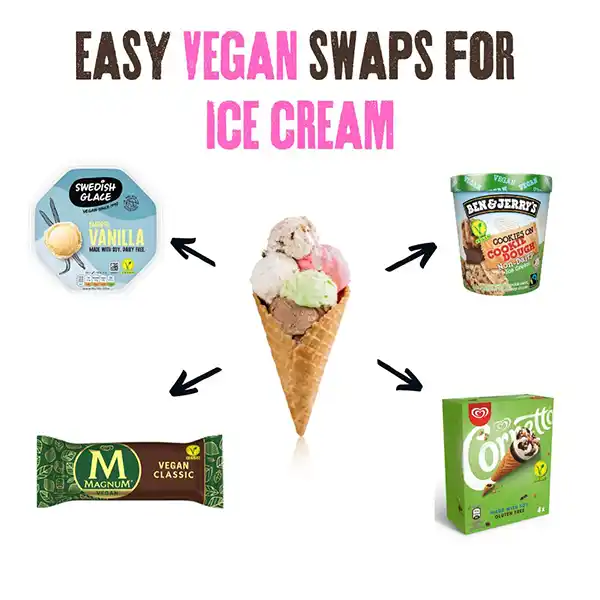
Going dairy-free is a smarter choice for your health and kinder for the animals. Here are some easy and budget-friendly swaps to get started:
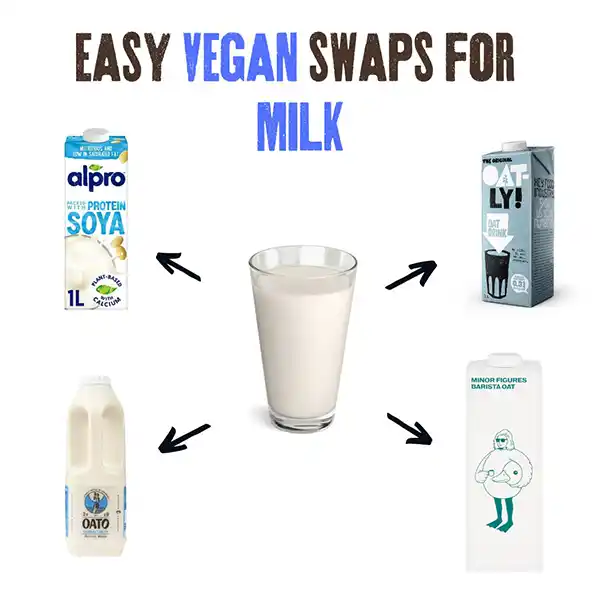
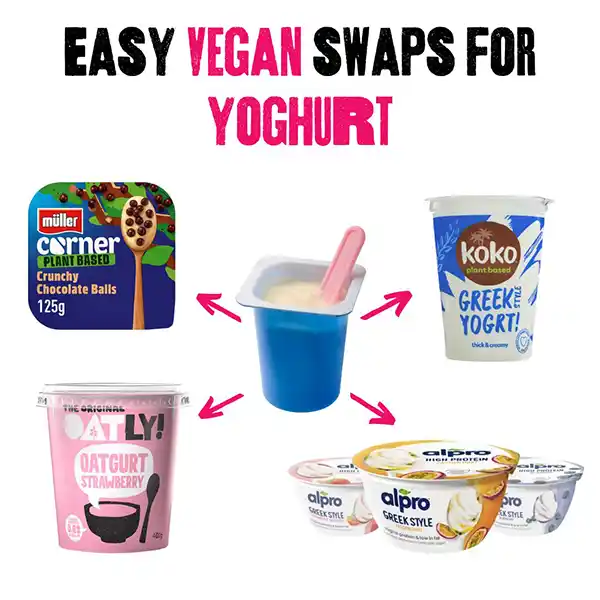
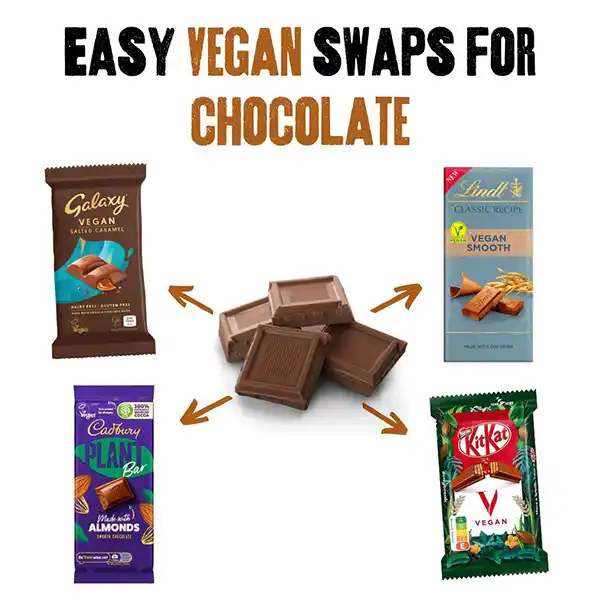
Start Your Vegan Journey with V7!
Try vegan for just one week with our V7 programme. Choose from Original, Protein Power or Budget Bangers – three delicious, easy and healthy meal plans designed to make going vegan simple.
‘Nuf Calcium?
For around 97 per cent of human evolution, we did not drink cow’s milk. Like every other mammal, for most of our existence we drank our mother’s milk in infancy and then moved on to other foods. So it makes perfect sense that humans evolved to obtain calcium from plants. We didn’t suddenly develop strong bones when we began exploiting cows for their milk – our ancestors already had them! And where does the calcium in cow’s milk come from in the first place? Plants. Calcium is a mineral found in soil; plants take it up and cows eat those plants. Cows don’t make calcium in their udders! We have evolved to absorb calcium from a variety of plants. On a varied vegan diet, calcium is easy to obtain from foods such as calcium-set tofu, fortified plant milks and yoghurts, chickpeas, beans, lentils, tahini and sesame seeds, almonds, kale, broccoli, spring greens and other leafy vegetables. For the lowdown on calcium, the best sources and how much you need ➡️
Plant Milks and Calcium
Plant milks vary nutritionally, but most mainstream UK brands are fortified with key nutrients, commonly calcium, vitamin B12 and vitamin D, and some also contain iodine and vitamin B2. Fortified soya milk is similar to cow’s milk for levels of protein, while oat, almond, pea and other plant milks offer different nutritional benefits.
Importantly, the major brands are typically fortified to provide around 120mg of calcium per 100ml – virtually the same as cow’s milk. So, there is no need to drink cow’s milk to obtain calcium: simply choose a calcium-fortified plant milk and check the label.
(Note – organic plant milks are an exception, as they are generally not fortified.)
Plant Milks are Not New
We’re encouraged to think of plant milks as new-fangled alternatives to cow’s milk – as if someone only recently thought of putting almonds in water. In fact, people have been making, drinking and cooking with milks from plants for centuries, and in some cases their roots stretch back thousands of years. They weren’t invented as substitutes for dairy; across different cultures they developed as nutritious foods and drinks in their own right.
Did you know, for example, that almond milk was well established in Britain by the 14th century? It was particularly popular in wealthy medieval kitchens because it didn’t spoil like cow’s milk and tasted delicious.
Campaigns & Investigations
Viva!’s campaigns and investigations reveal the shocking reality of British factory dairy farms. Uncover the truth behind ‘standard practices’ for yourself and see the positive impact of our outreach.
Campaigns

Dairy is Scary – Viva! Exposes the Shocking Truth About Dairy
Our anti-dairy cinema advert, Dairy is Scary, reached over ONE MILLION cinemagoers nationwide – exposing the heartbreaking reality of dairy farming!
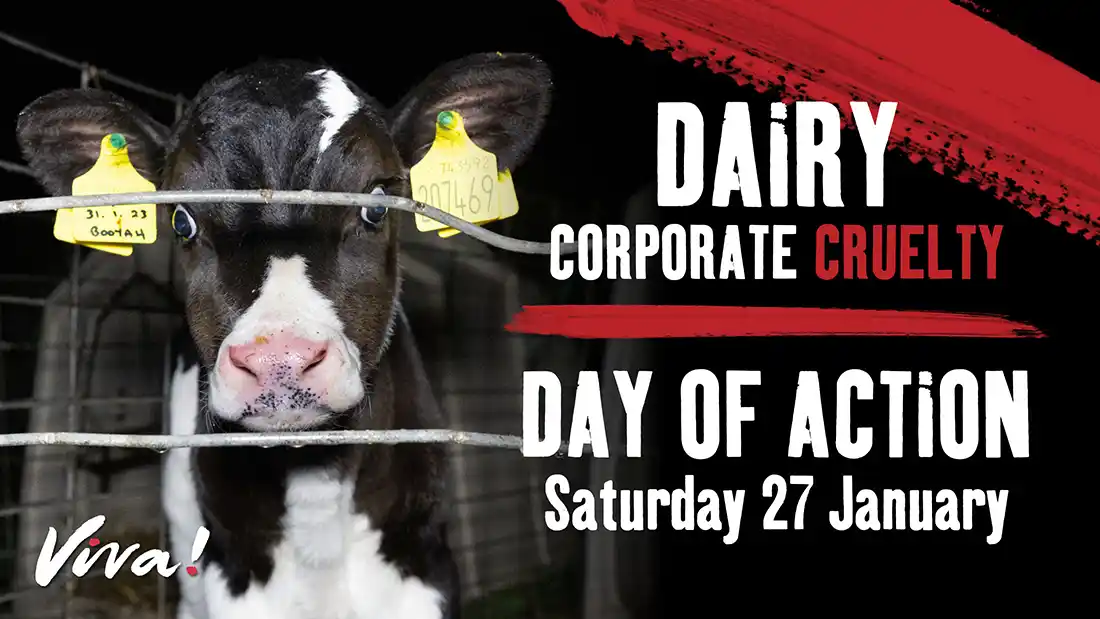
Dairy – Corporate Cruelty
Discover the shocking truth behind your milk—hidden cruelty, corporate greed, and what the dairy industry doesn’t want you to know.
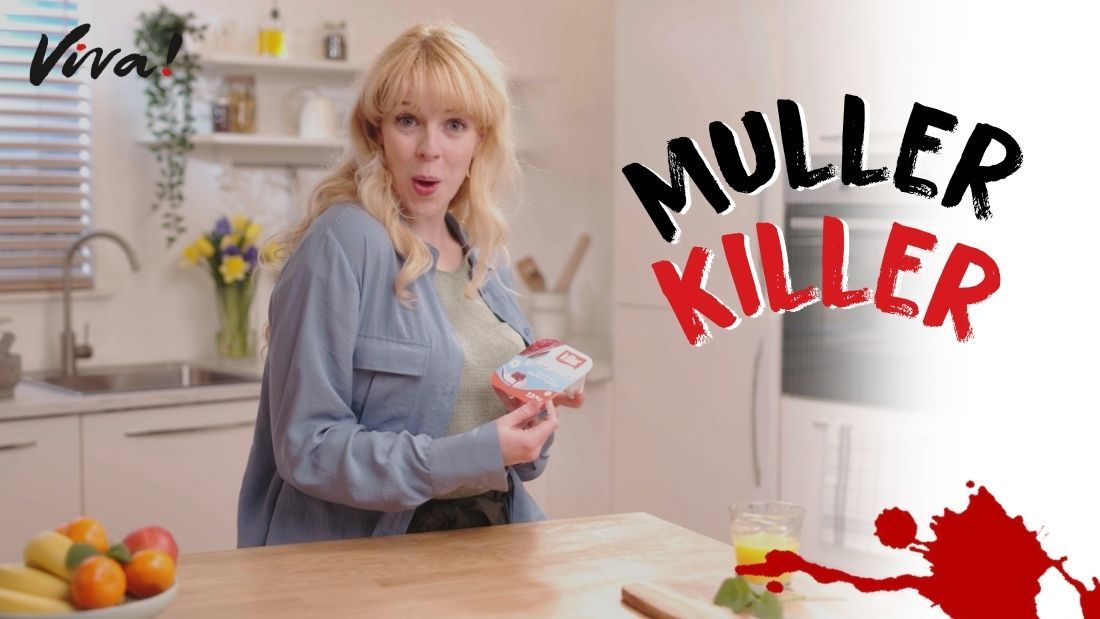
Müller Killer
Zero grazing is taking over the UK – and the change is spearheaded by the dairy giant Müller.
YogHURTS tour
This summer, we will be going on tour with our biggest anti-dairy campaign yet: Muller Killer.
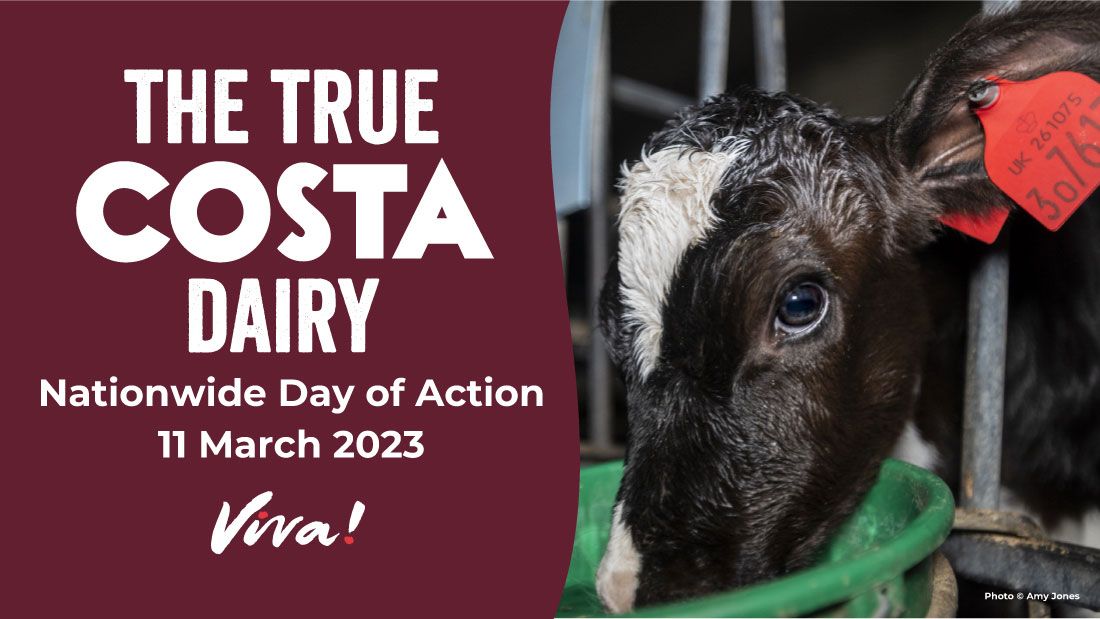
The True Costa Dairy
Viva! found shocking cruelty at a Kent dairy farm that supplies Freshways, Costa's milk provider. We need your help to make a difference.
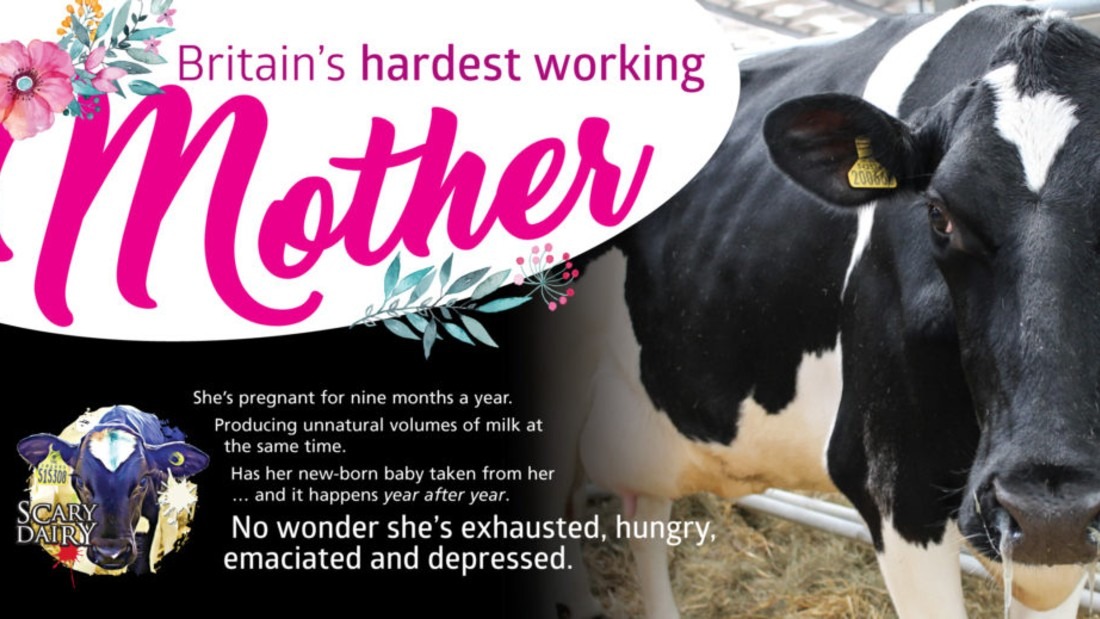
Britain’s Hardest Working Mother
We’re asking you to help us educate people and spread awareness about the plight of dairy cows, the hardest working mothers, in the days leading up to Mother's day.
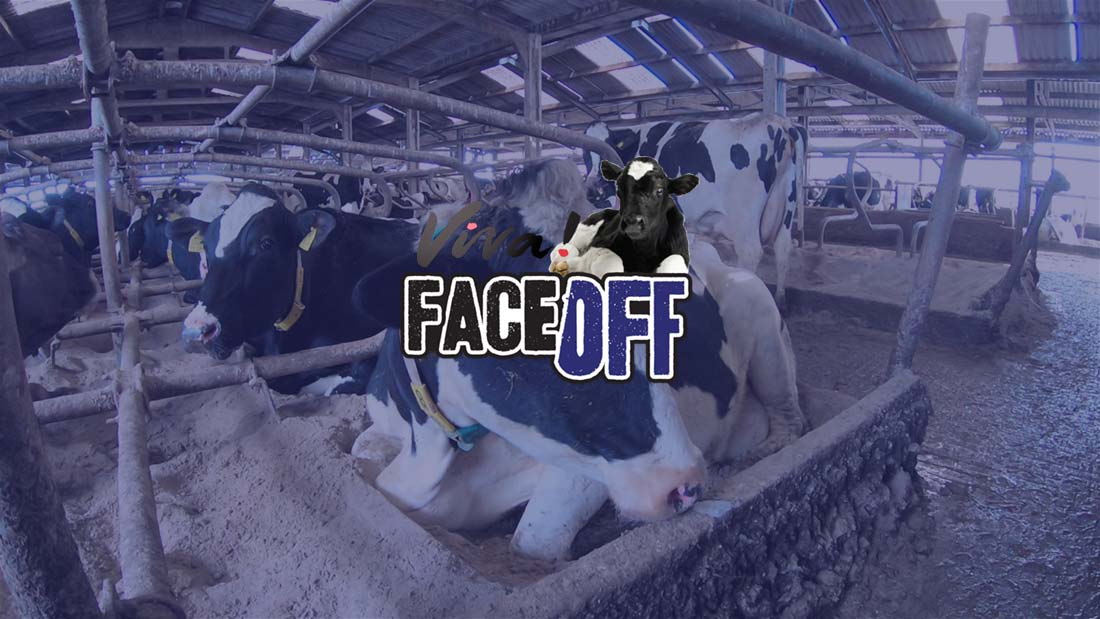
Face Off: Dairy
You won’t believe what is going on in our country’s factory farms! Will you take this challenge too? Can you face off against the British dairy industry?
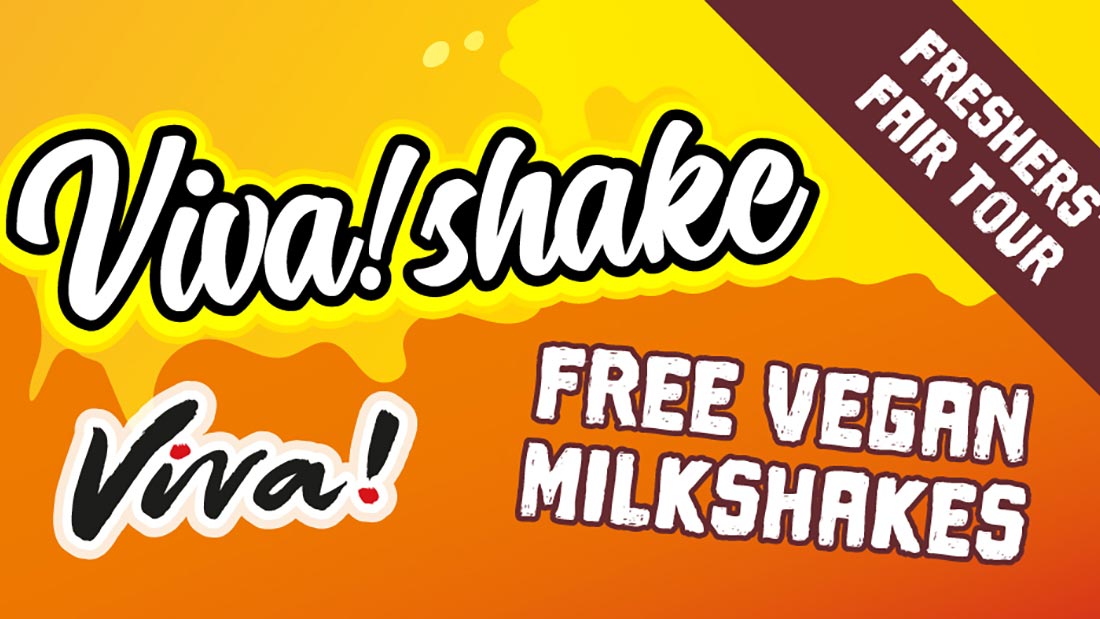
Viva!shake
Viva! took an all-vegan milkshake bar across the country, giving out free vegan milkshakes at university fresher fairs!
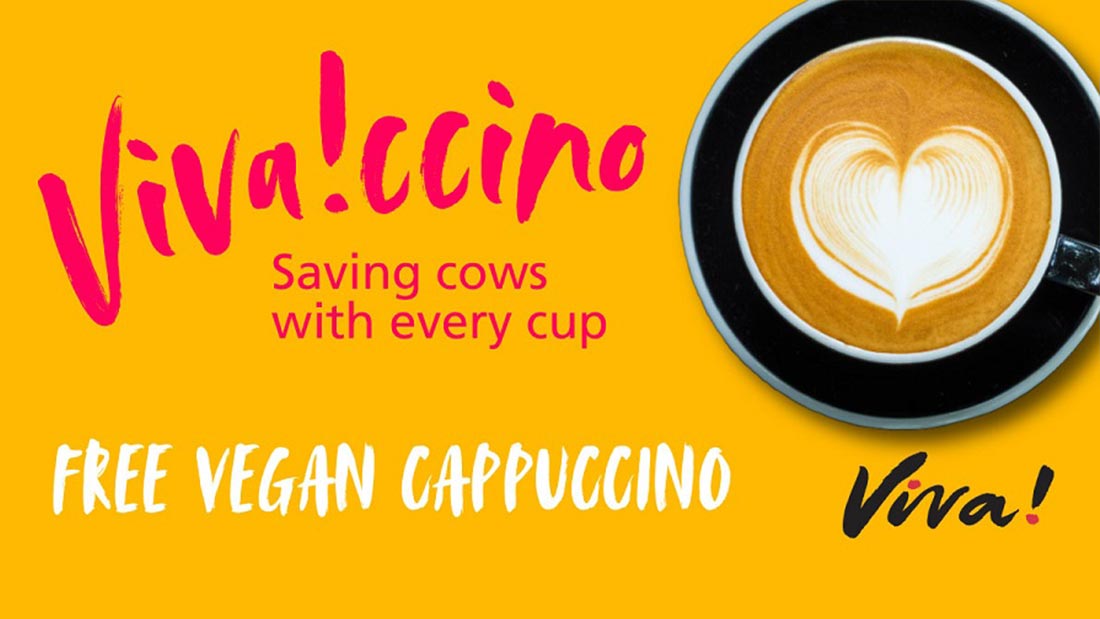
Viva!ccino
Viva! took an all-vegan coffee bike to British shopping centres to hand out free vegan cappuccinos to the public!

The Dairy Industry’s TRASH
On 1 October our new campaign, TRASH, launched to raise awareness of the forgotten victims of the dairy industry – male calves!
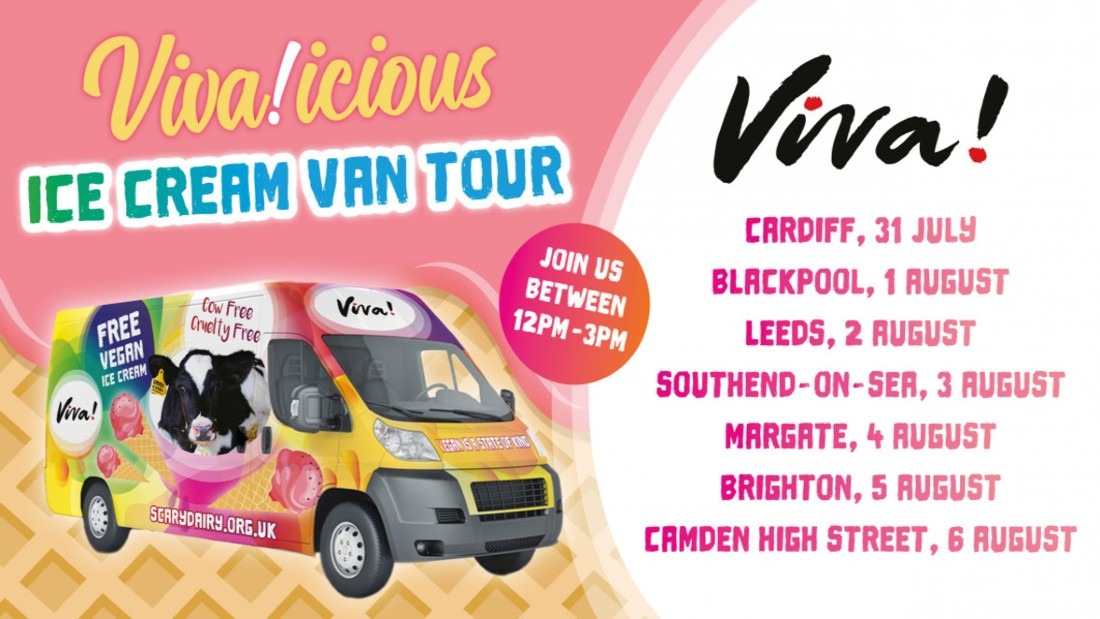
Viva!licious
In July and August 2018 Viva! brought the UK’s first ever vegan ice cream van tour to seven British towns!
Investigations
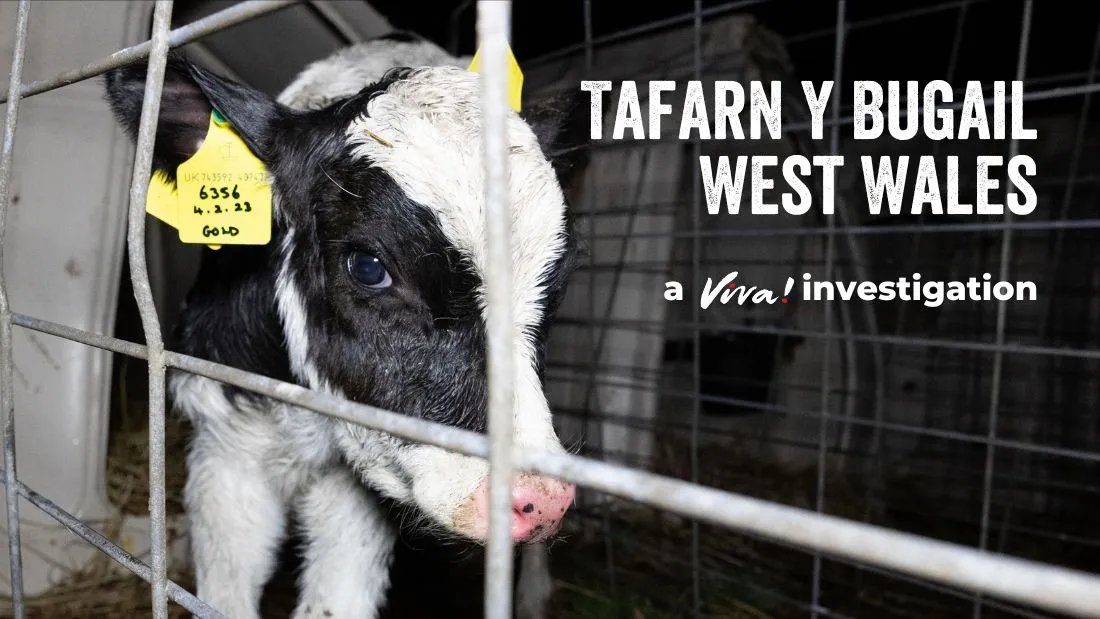
Investigation: Tafarn Y Bugail
An undercover investigation by Viva! Campaigns uncovers violent assaults on cows at a dairy farm in west Wales.
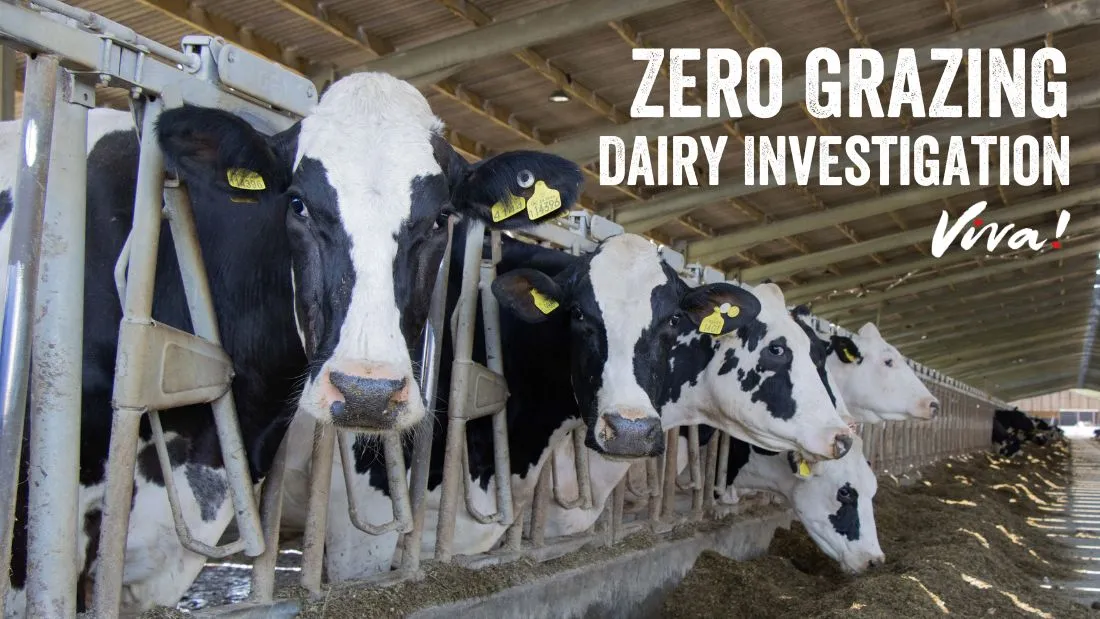
Investigation: Zero Grazing
Callous conditions documented at three of the largest zero grazing dairy farms in the UK expose the reality of intensive mega-farms.
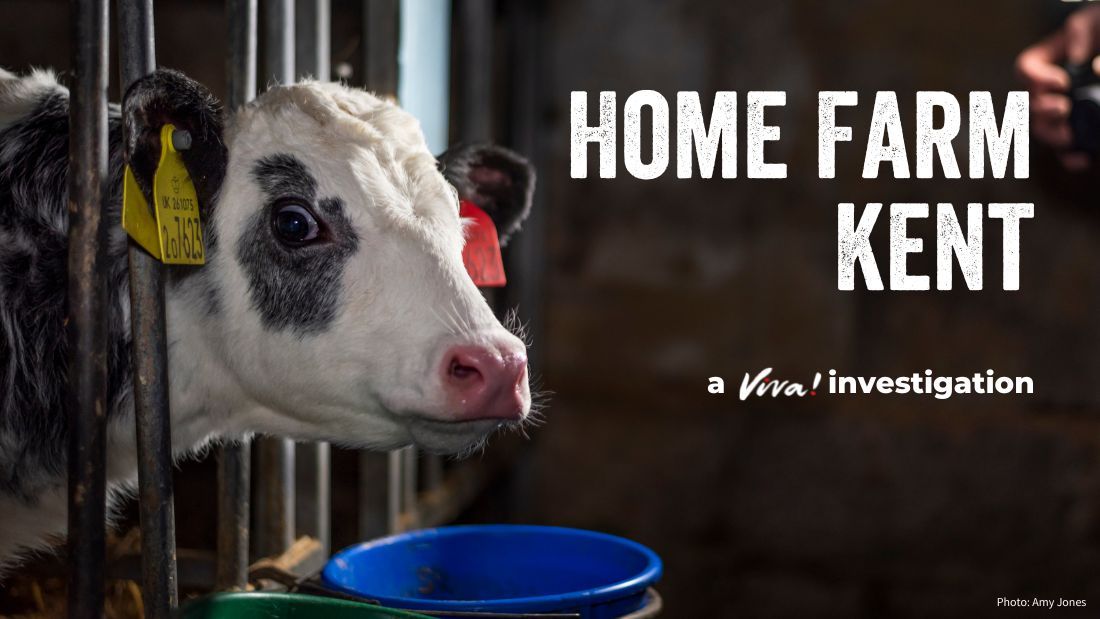
Investigation: Home Farm
An undercover investigation by Viva! Campaigns has exposed multiple incidents of animal cruelty at a dairy farm in Kent supplying Freshways.
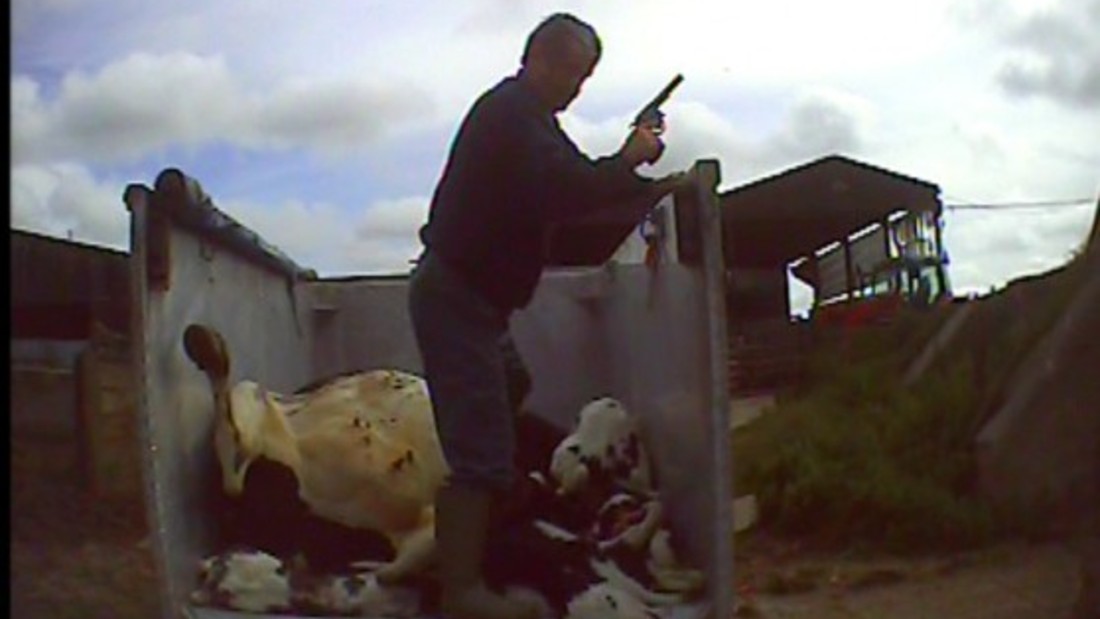
Investigation: Cadbury Milk
Our undercover investigators have been inside numerous dairy farms that supply Cadbury with milk. Here we expose the bloody secrets of one of the nation’s favourite confectionery brands.
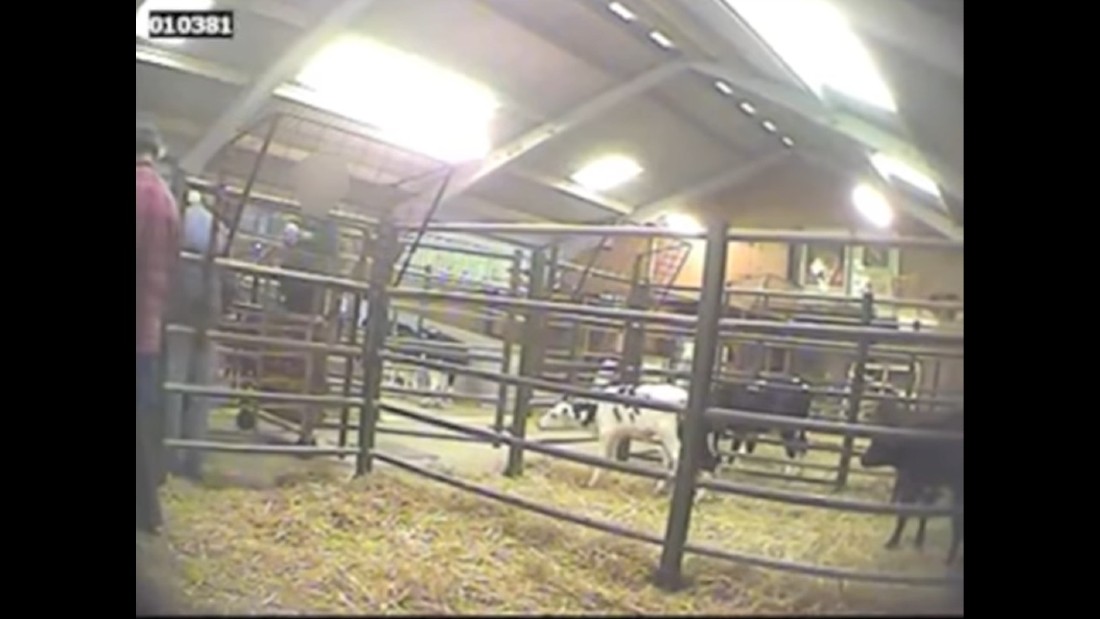
Investigation: Biosecurity
At three Welsh markets we covertly filmed an appalling disregard for biosecurity – one of the many failings in modern animal husbandry that could be to blame for…
How People Across Britain React to the Dairy Industry