
Investigation: Heal Farms
The stark reality of life for caged hens has been laid bare by an undercover investigation, carried out by Viva! Campaigns. Despite the widespread belief that cages ended with the 2012 battery cage ban, over seven million hens bred for their eggs remain trapped in overcrowded ‘enriched’ colony cages.
Heal Farm in Hazeldene, Shropshire, owned and operated by Heal Farms, is just one example of modern cage-based egg production systems characterised by multi-tier confinement, which the UK Government itself admits “do not fully provide for the physical and behavioural needs of laying hens”.
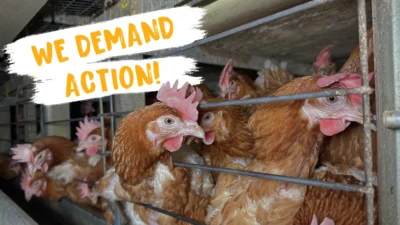
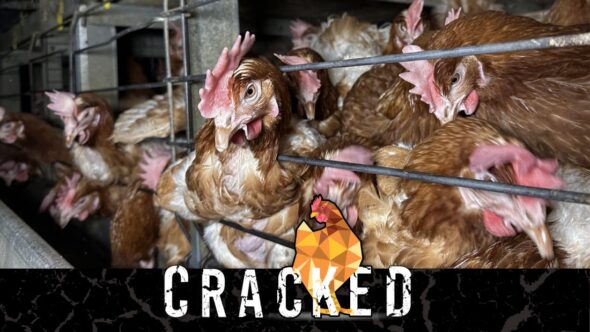
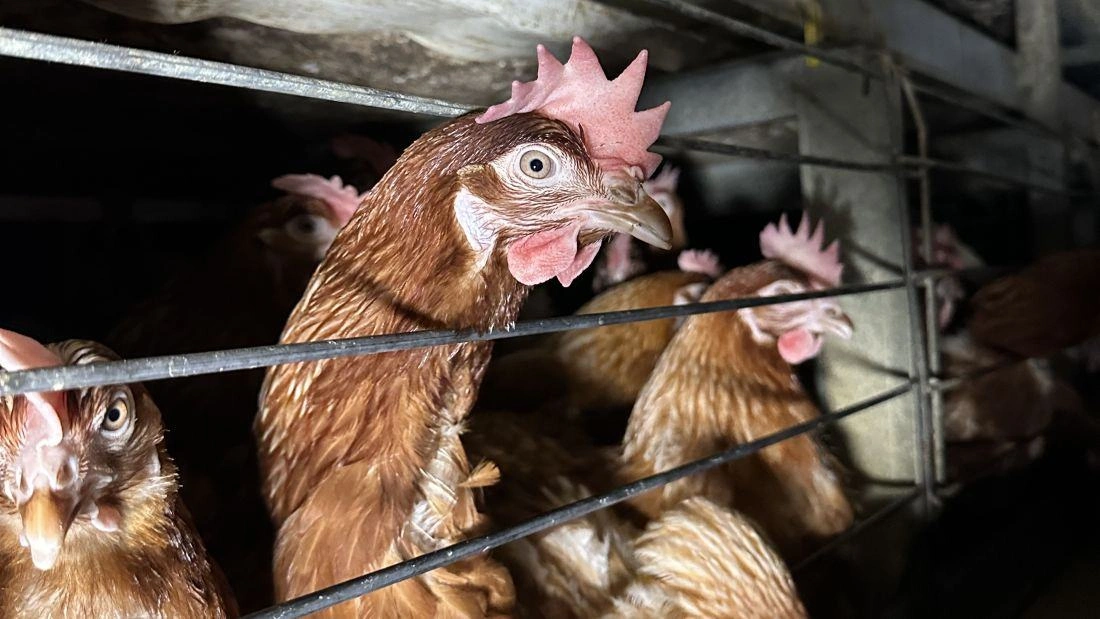
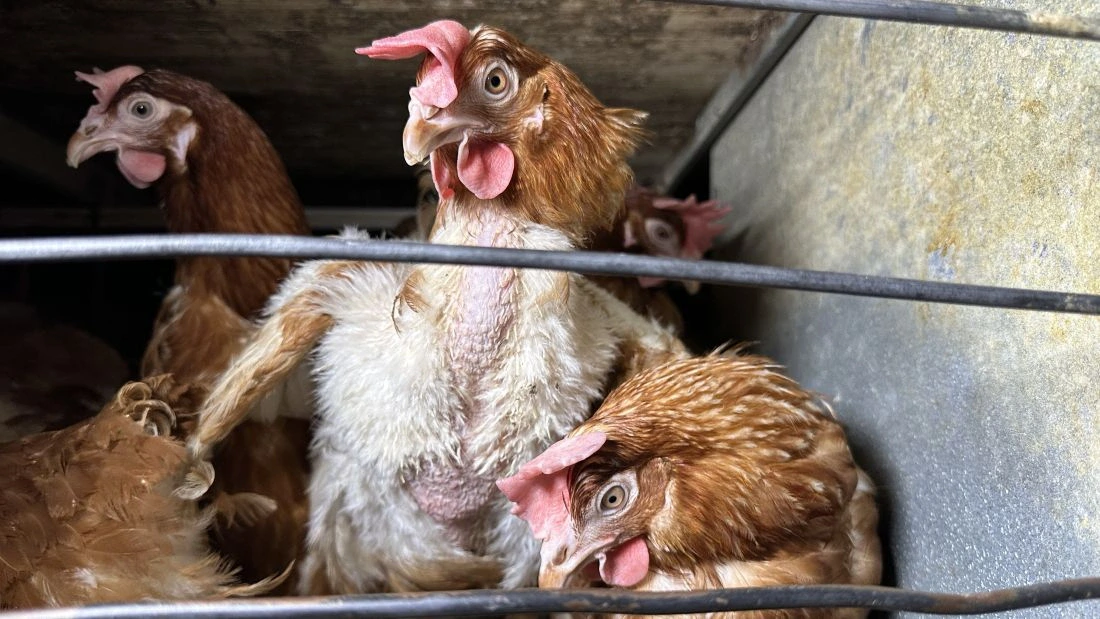
At the company’s Hazeldene site, there are around 122,000 hens housed in ‘enriched’ colony cages that were ‘upgraded’ from the battery cage system ahead of the 2012 ban coming into force. On visits to the facility in both 2023 and 2025, our team captured footage of these filthy, barren cages stacked seven high – each of which housed approximately 60 birds.
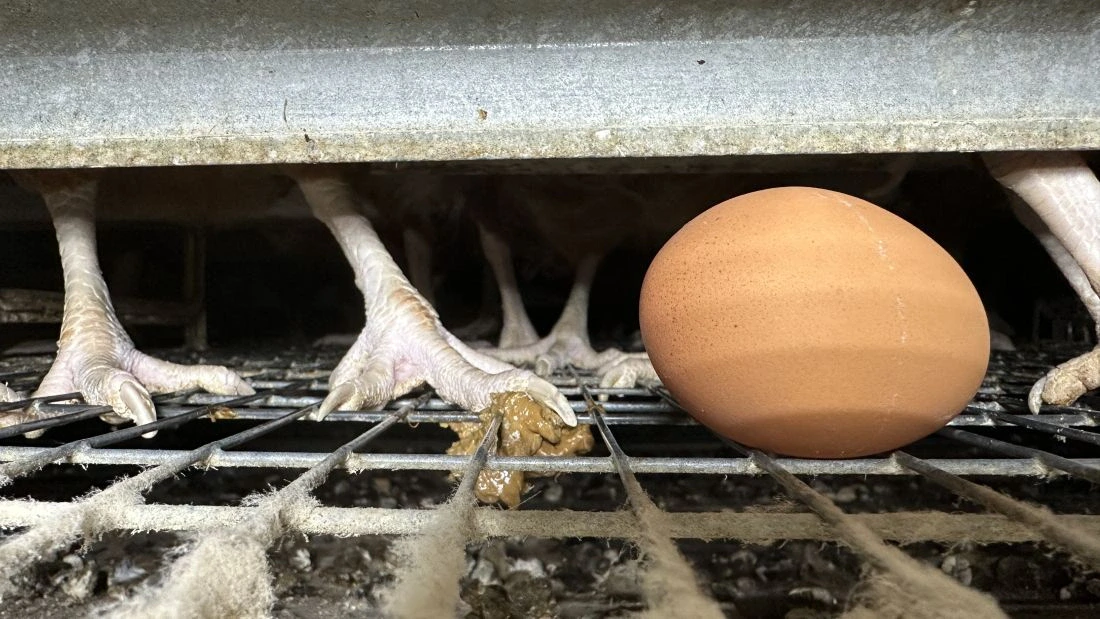
The footage documents hens experiencing moderate to severe feather loss consistent with chronic stress and the inability to escape bullying by other birds. When not perching on plastic or metal bars, the caged hens are forced to stand and walk on bare wire, which causes painful foot conditions. Many were found with protruding keel bones, and the common, but barbaric, practice of beak trimming carried out here had led to abnormalities like crossed and deformed beaks.
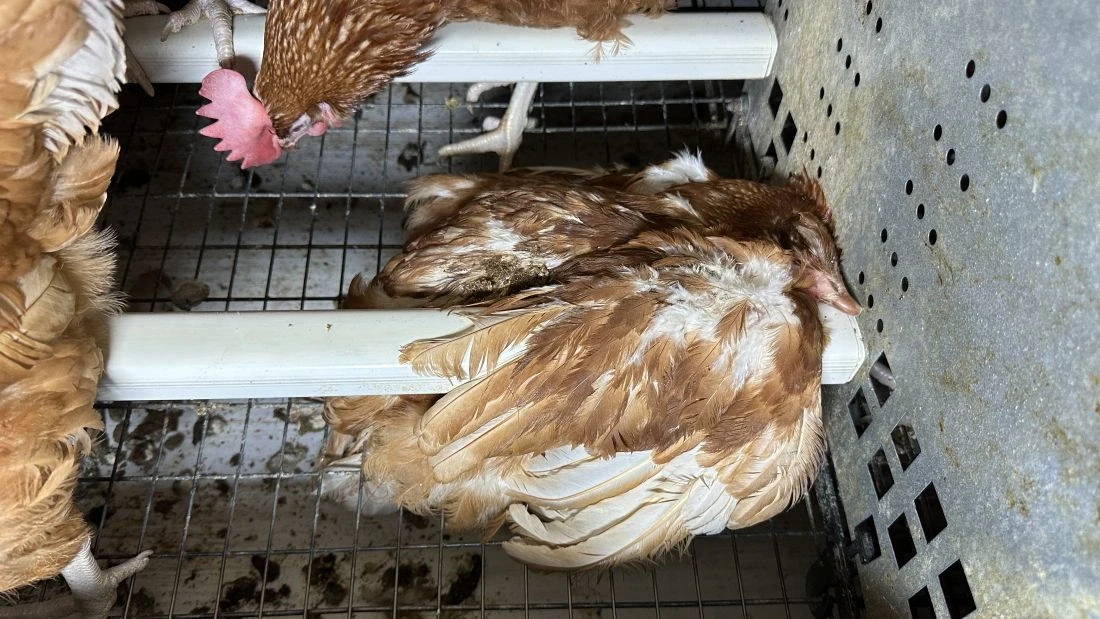
Overcrowding in these cages makes it difficult to carry out adequate welfare checks, which means dying birds can be missed – their carcasses left to rot amongst the living. Our investigators found one slumped across a perch, just inches away from food and water sources. Other birds were observed walking and perching on the corpse as well as pecking at her body, a tendency raising serious concerns about disease transmission.
It’s likely in systems such as that at Heal Farms, where cages are stacked seven high without a raised walkway, birds in the upper tiers suffer more.
Read the Metro Exclusive
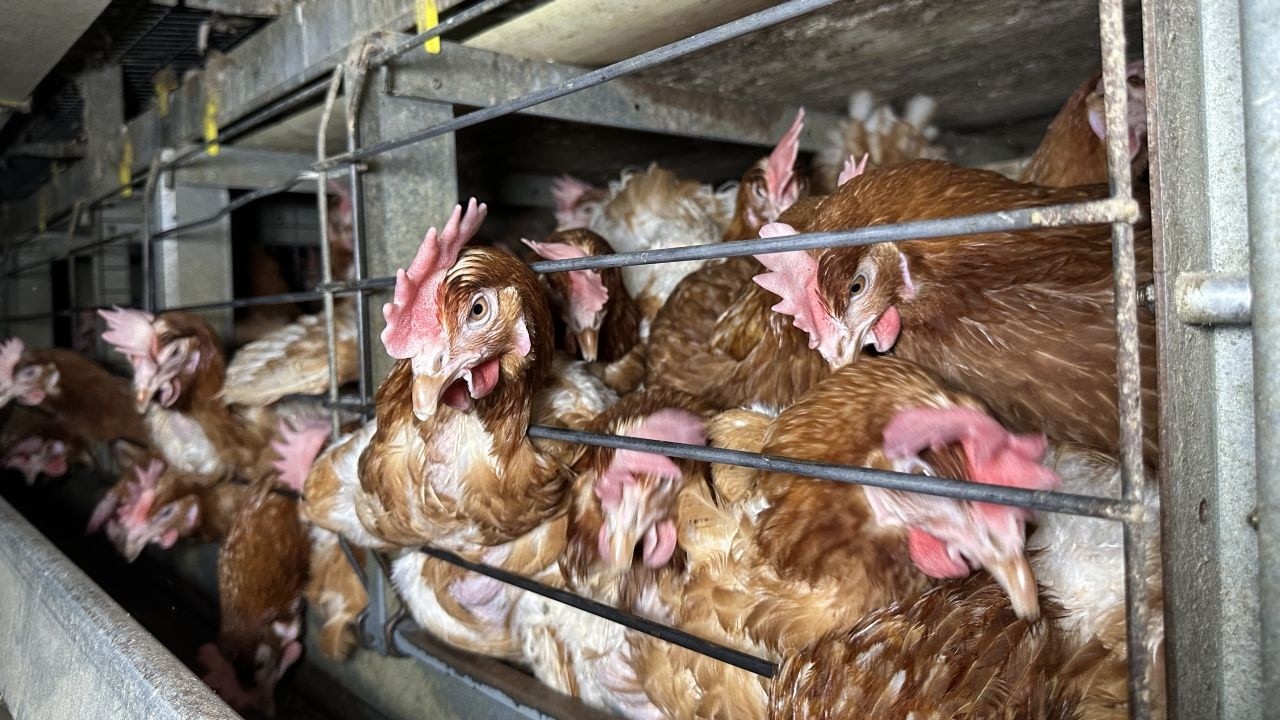
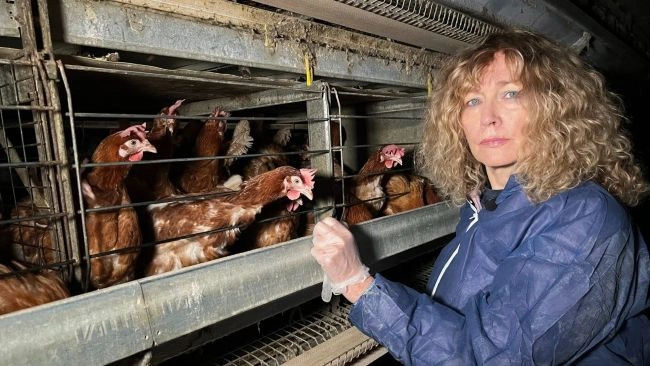
“What we witnessed at Heal Farms was nothing short of hell for hens: row after row of birds crammed into metal cages, denied freedom, peace and everything that makes life worth living.
“Even worse is the fact that over seven million caged hens across the UK are still trapped in those same miserable conditions. So-called ‘enriched’ cages are just cruelty rebranded; the egg industry simply swapped one form of hell for another.
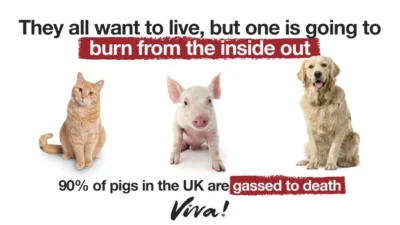
“We wouldn’t dream of forcing our dogs and cats to live a life of such unnatural deprivation, so it’s heartbreaking that this continues to be the miserable reality for millions of these beautiful, intelligent animals.”
– Juliet Gellatley, Founder and Director of Viva!
In the UK, around 17 per cent of eggs still come from hens trapped in cages. Following the ban on battery cages, ‘enriched’ colony cages introduced just a postcard-sized worth of additional space per bird, as well as token enrichment amounting to small plastic scratch pads, metal perches and semi-private nesting spaces.
These cages typically confine anywhere between 40 to 80 birds and cause stress-induced behaviours such as injurious feather pecking – which the industry responds to by trimming the birds’ beaks shortly after birth.
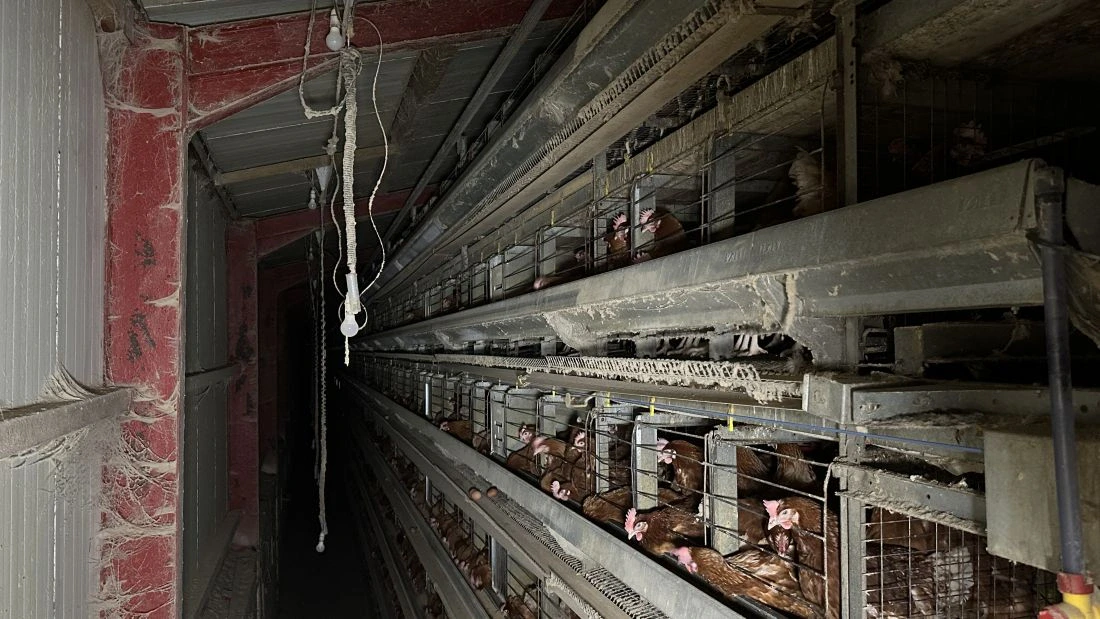
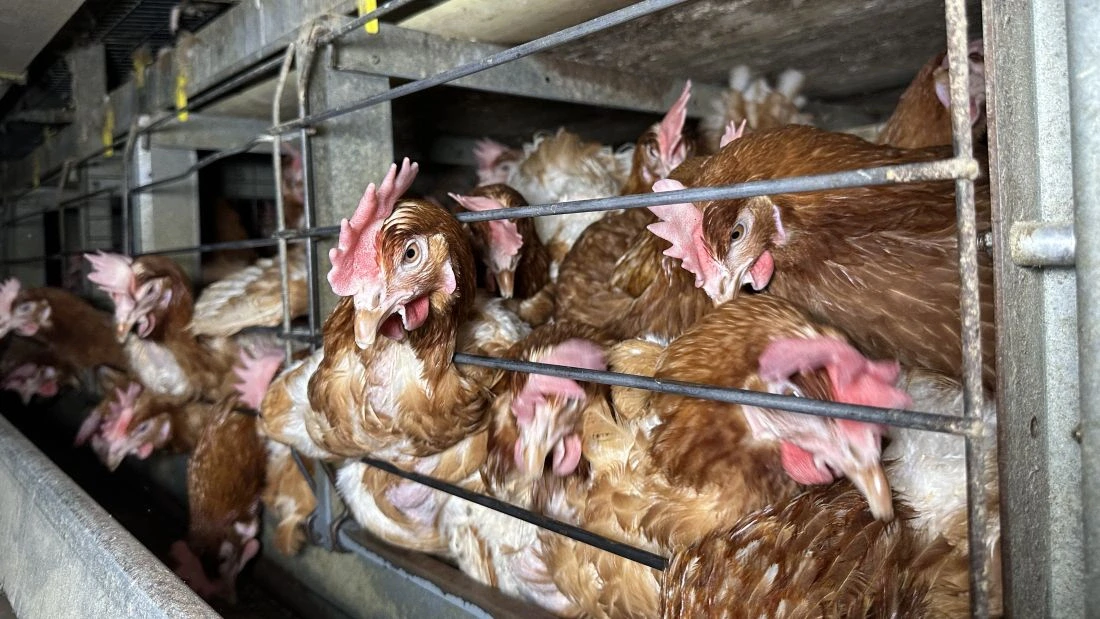
As part of the Labour Government’s Animal Welfare Strategy for England, released on 22 December 2025, a public consultation has been launched regarding cage reform. Labour says it plans to phase out cages for laying hens by 2032, which, although it sounds like progress, still leaves millions of hens suffering for years to come.
This is a unique opportunity for us to have our say and hold the Government to account. It’s imperative we demand the shortest possible timescale to prohibit cage cruelty once and for all. Help us sustain pressure on Labour:
Related content
How Egg-laying Hens Are Farmed and Killed
The egg-laying hen is possibly the most abused animal on earth. Born in a hatchery without ever knowing her mother, she is forced to live most of her life indoors in a crowded shed laying 20 to 50 times the number of eggs she would naturally.

Easy Vegan Swaps for Eggs
One of the most common questions for vegan bakers is what do you use instead of eggs. There are surprisingly many great alternatives.